
From Eviction to Return: The Tale of an 87‑Year‑Old
An 87‑year‑old woman in Madrid was evicted from her apartment during a wave of protests over Spain’s housing crisis. The eviction forced her to leave her home and move into temporary accommodation. The incident sparked widespread anger and demands for tenant protection. The real‑estate company responsible for the eviction has now reversed its decision. It agreed to restore her previous rent rate and allow her to return to her apartment. The change follows months of demonstrations across Spain, where residents protested high rents, short‑term leases, and aggressive property management practices.
Latest news
 G20 Trade Ministers Gather in Wisconsin Amid Tariff Tension
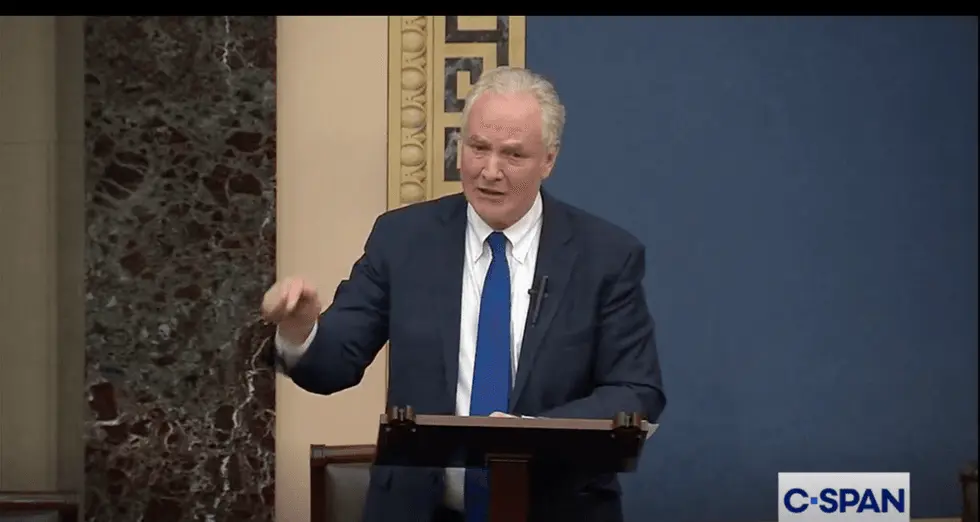 Senate Democrats Unite to Push for West Bank Violence Report
 Sandino's Rebellion Against U.S. Occupation Begins in Nicaragua
 Diesel Surpasses Gasoline as Europe's Most Expensive Fuel
The woman, who has lived in Madrid for decades, was removed from her unit after the landlord cited an alleged breach of lease. Local tenants’ groups argued that the claim was unfounded and that the eviction violated housing rights. The eviction took place in late March, a time when protests were already in full swing across major Spanish cities.
The backlash was swift. Thousands gathered in front of the building, holding signs that read „No to unlawful evictions.” The protest drew media attention and put pressure on the property firm. Within a week, the company announced it would reinstate the woman’s lease and refund the rent she had paid under the new, higher rate. This decision marked a rare victory for tenant activists in a market dominated by short‑term rentals.
How Do Mass Protests Influence Property Companies?
The woman’s return was celebrated by neighbors and activists alike. She expressed relief at being able to stay in her familiar home. The incident highlights how collective action can influence corporate policies, especially when the public’s voice is amplified through social media and street demonstrations.
Large‑scale protests can shift the balance of power between landlords and tenants. When residents unite, they create a visible threat to a company’s reputation. Property firms may fear loss of business, negative press, and legal scrutiny. In this case, the real‑estate company chose to back down rather than face prolonged opposition.
Frequently Asked Questions
The Spanish government has also responded to the protests. New regulations are being drafted to protect tenants from sudden rent hikes and unlawful evictions. The government’s willingness to intervene signals a broader shift toward more tenant‑friendly housing policies. This change may encourage other landlords to adopt fairer practices to avoid similar backlash.
The woman’s story has become a symbol of the struggle against the housing crisis. It shows that even the most vulnerable residents can succeed when they stand together. The incident may inspire other elderly tenants who feel threatened by aggressive landlords to organize and demand their rights.
The outcome also raises questions about the long‑term sustainability of Spain’s rental market. If property companies continue to face pressure from organized tenants, they may need to rethink their pricing models and lease terms. This could lead to a more balanced relationship between landlords and renters, reducing the likelihood of future evictions.