ASEAN’s Internal Divisions Undermine a Unified Front
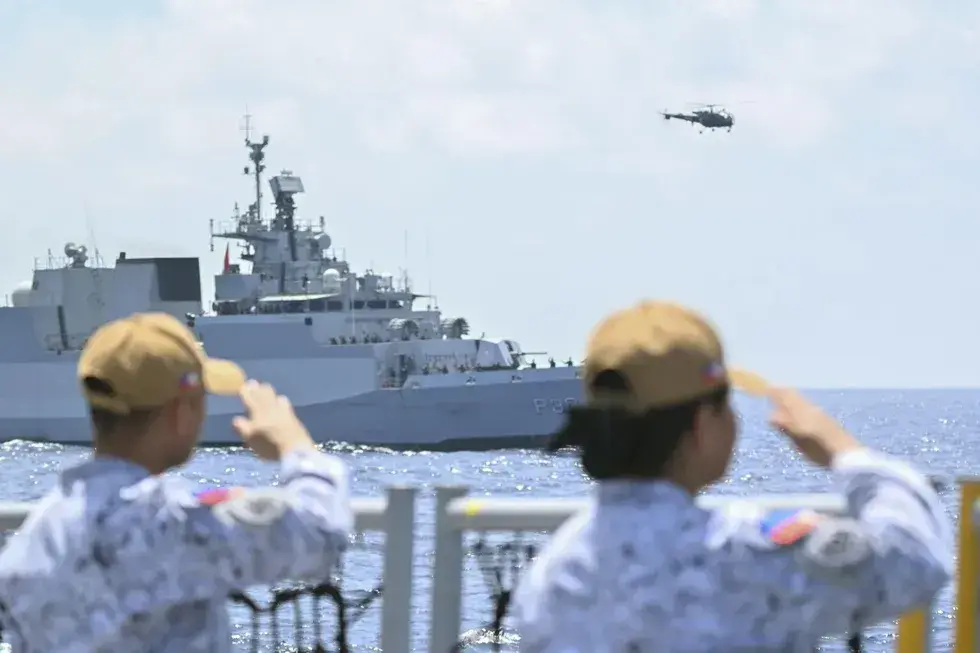
Sunday marked ten years since a Hague tribunal awarded the Philippines a sweeping victory over China in a maritime dispute. The decision affirmed Manila’s exclusive economic zone claims, but clashes have intensified, with recent collisions and standoffs. Over the weekend, the United States and thirteen partner nations conducted joint naval drills near the contested waters, yet many ASEAN members remain hesitant to side openly with Washington.
Latest news
 Swedish Voters Choose New Parliament as Left-Wing Coalition Projects to Win Majority
 Trump Announces End of US Tariff on Irish Whisky
 Frances Stonor Saunders, Author of CIA Cultural Espionage Exposé, Dies at 66
 Israel and Lebanon to Hold Security Talks in Rome This October
The ruling’s legal weight has not translated into a cohesive regional strategy. China continues to build artificial islands and deploy military assets, while Manila oscillates between confronting Beijing and seeking diplomatic accommodation. Washington hopes to leverage its treaty alliance with the Philippines to rally Southeast Asian states, but economic dependencies, fear of retaliation, and divergent national interests blunt that effort. Analysts note that ASEAN’s consensus‑seeking tradition often mutates into paralysis when member states confront a powerful neighbor.
ASEAN’s charter emphasizes non‑interference, a principle that now hampers collective action against Chinese assertiveness. Indonesia and Malaysia, both significant trading partners with Beijing, have warned against actions that could jeopardize economic ties. Vietnam, despite its own territorial claims, prefers bilateral negotiations over multilateral pressure. Even the Philippines, after a period of heightened tension, has signaled a willingness to engage in dialogue with China, complicating Washington’s narrative of a clear‑cut ally‑versus‑aggressor scenario. Experts argue that without a shared threat perception, the bloc cannot present a united diplomatic front.
Can Washington Expect Regional Backing When Tensions Rise?
U. S. officials remain optimistic that joint exercises and freedom‑of‑navigation operations will persuade Southeast Asian nations to align with American interests. Yet recent statements from ASEAN foreign ministers reveal a cautious stance, emphasizing the need for peaceful resolution and respect for international law without singling out any party. The United States’ „pivot to Asia” strategy, while still active, now contends with a reality where many regional actors prioritize economic stability over strategic alignment. Consequently, Washington may have to recalibrate its approach, focusing on bilateral security ties rather than expecting a broad ASEAN coalition.
The lack of unified regional support raises the risk of miscalculations at sea and could embolden China to expand its presence further. Diplomatic channels remain open, but the divergent priorities of Southeast Asian states suggest that any consensus will require prolonged negotiation and confidence‑building measures. As the decade‑old verdict continues to shape legal arguments, the geopolitical landscape around the South China Sea remains volatile, with the United States facing an uphill battle to secure collective backing.
Frequently Asked Questions
Why did the Hague tribunal rule in favor of the Philippines? The tribunal concluded that China’s „nine‑dash line” claim had no legal basis under the United Nations Convention on the Law of the Sea, affirming Manila’s exclusive economic zone rights.
What prompted the recent U. S. naval drills with thirteen allies? The exercises aimed to demonstrate freedom of navigation, reinforce treaty commitments, and signal resolve amid rising maritime tensions with China.
How might ASEAN’s reluctance affect future conflict prevention? Without a coordinated regional stance, diplomatic pressure on China weakens, increasing the likelihood of accidental encounters and making conflict de‑escalation more challenging.