The Elusive Nature of WinningDefining victory itself has become a significant
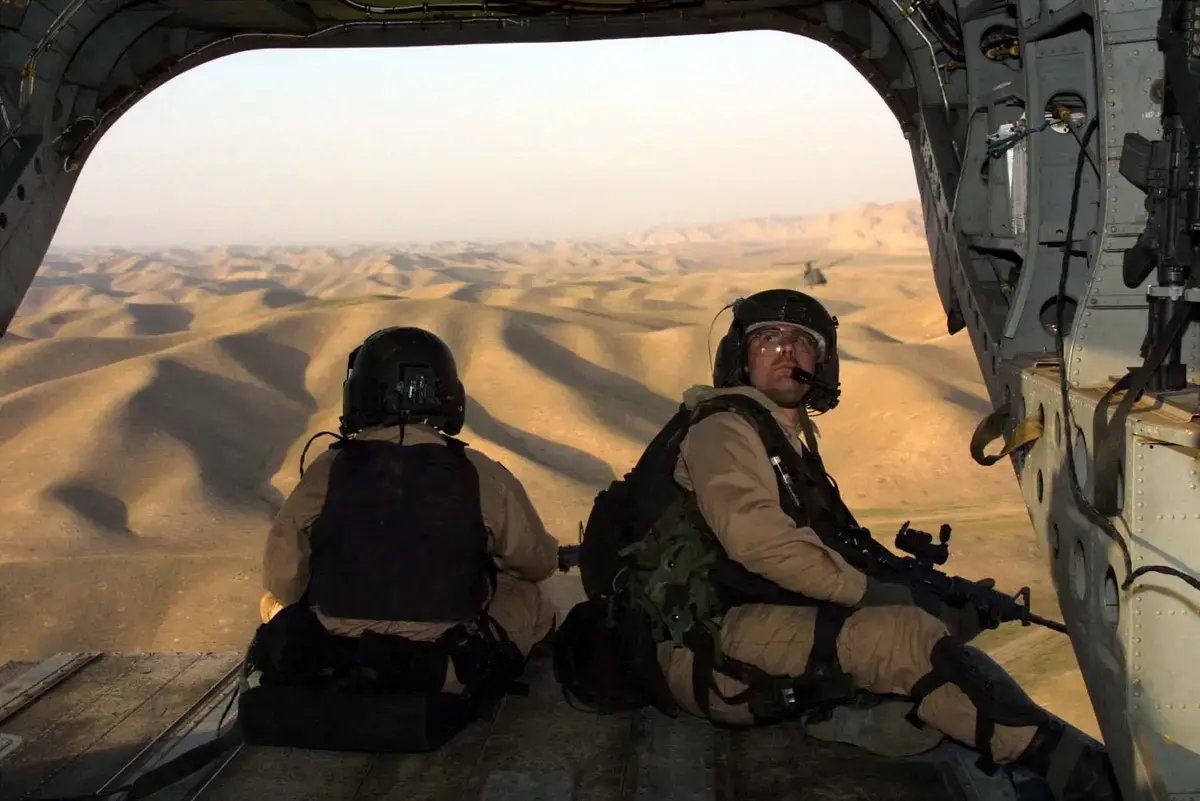
American presidents have often promised swift and conclusive victories in conflicts abroad. However, recent history shows a different reality. Campaigns in Afghanistan, Iraq, and against Iran have proven far more complex. These engagements have frequently extended beyond initial projections, raising questions about the nation's approach to warfare.
Latest news
 Swedish Voters Choose New Parliament as Left-Wing Coalition Projects to Win Majority
 Trump Announces End of US Tariff on Irish Whisky
 Frances Stonor Saunders, Author of CIA Cultural Espionage Exposé, Dies at 66
 Israel and Lebanon to Hold Security Talks in Rome This October
The expectation of quick resolutions often clashes with the intricate nature of modern conflicts. These battles are rarely straightforward, involving diverse factions and deep-seated regional issues. This complexity makes traditional military objectives harder to achieve.
The United States often enters conflicts with superior military technology and training. Yet, these advantages do not always translate into quick wins. Local resistance, guerrilla tactics, and the absence of a conventional enemy force can negate technological superiority. Furthermore, public support at home can wane during protracted conflicts, adding political pressure.
Why Do Conflicts Become So Protracted?
One major factor is the underestimation of local dynamics and cultural complexities. Intervening forces may struggle to understand the historical grievances and political landscapes of the regions they enter. This lack of understanding can lead to strategies that are ineffective or even counterproductive. Nation-building efforts, for example, require deep cultural insight and long-term commitment.
Another reason is the shifting nature of threats. Adversaries often adapt, employing asymmetric warfare that avoids direct confrontation. This forces a continuous re-evaluation of tactics and objectives. The initial goals of a mission can evolve significantly over time, making a clear winharder to define and achieve.
The ongoing challenges in these regions highlight the need for a re-evaluation of military and foreign policy strategies. Understanding the full scope of a conflict, beyond immediate military objectives, is crucial. Without this, the cycle of prolonged engagements may continue.
Frequently Asked Questions
What makes modern conflicts so complex for the US? Modern conflicts often involve non-state actors, deeply rooted historical grievances, and complex political landscapes. These factors make traditional military solutions less effective and complicate the definition of victory.
How do shifting objectives impact military campaigns? When objectives expand from specific military goals to broader aims like nation-building, conflicts can become protracted. This makes it difficult to achieve a clear, decisive win and can lead to indefinite military presence.
Why doesn't superior military technology guarantee quick victories? While advanced technology offers advantages, it can be less effective against guerrilla tactics or in situations without a conventional enemy. Local resistance and adaptable adversaries can negate technological superiority, leading to prolonged engagements.