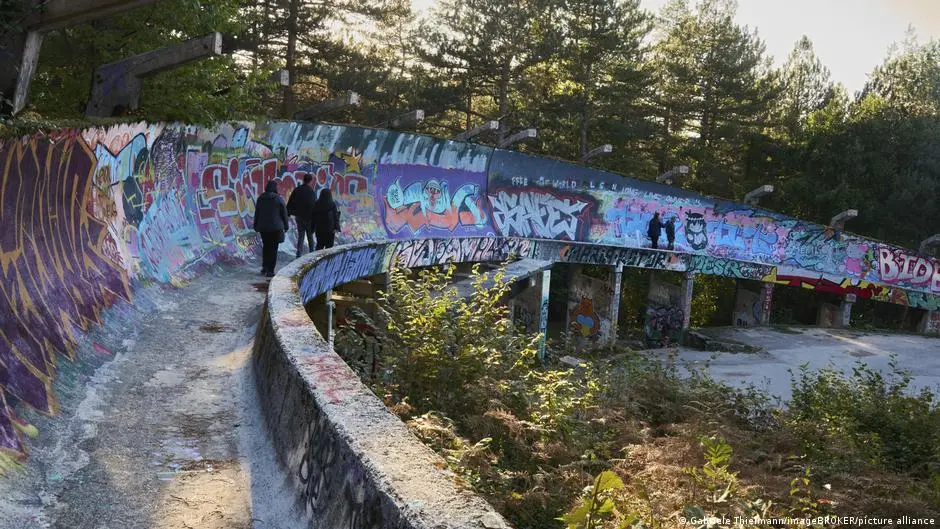
The Burden of a Divided Legacy
Three decades after the brutal Bosnian War concluded, Bosnia and Herzegovina remains defined by a fragile political structure. The nation continues to navigate deep ethnic divisions, a cumbersome administrative framework, and a persistent desire to join the European Union. These competing forces shape the daily reality for citizens living within this complex Balkan state.
Latest news
 Housing Crisis Threatens Spanish Government Stability
 Spaniards Demand Urgent Action Amid Mounting Housing Crisis
 Andy Burnham Wins Praise From Labour Voters Following Emotional Address
 One Nation launches Victorian election campaign with controversial policy pledges
The current governance model stems from the 1995 Dayton Agreement, which ended the conflict. It created a decentralized system designed to balance power between the country’s primary ethnic groups. However, this structure often leads to political gridlock. Local leaders frequently prioritize nationalist agendas over national progress, complicating efforts to reform the state.
The administrative architecture of the country is notoriously intricate. It divides the territory into semi-autonomous entities, each with its own government and legislative bodies. This layering of bureaucracy makes unified decision-making difficult. Consequently, essential public services and economic policies often stall under the weight of political infighting and regional disputes.
Can the Nation Achieve European Union Membership?
Separatist rhetoric remains a significant obstacle to national stability. Politicians often exploit historical grievances to maintain influence among their respective ethnic bases. This environment discourages foreign investment and hampers the development of a cohesive national identity. Many citizens feel trapped by a system that seems designed to prioritize division over unity.
Joining the European Union is a primary goal for many, yet the path forward is narrow. The bloc requires significant reforms regarding the rule of law, anti-corruption measures, and administrative efficiency. Meeting these standards demands a level of political cooperation that has historically been missing in the region.
Frequently Asked Questions
The international community continues to monitor the situation closely. While the prospect of EU membership provides a roadmap for modernization, the internal political climate remains volatile. Whether the country can overcome its history of fragmentation to meet European requirements remains the central question for its future.
What is the primary cause of political gridlock in Bosnia and Herzegovina? The country’s decentralized administrative system, established after the war, requires consensus among competing ethnic groups. This often leads to stalemate when nationalist leaders prioritize regional interests over national policy.
How does the desire for European Union membership influence local politics? EU integration acts as both a goal and a catalyst for reform. It pressures the government to modernize its legal and administrative structures, though progress is frequently slowed by internal political disputes.