Resilience in the Charred Woods
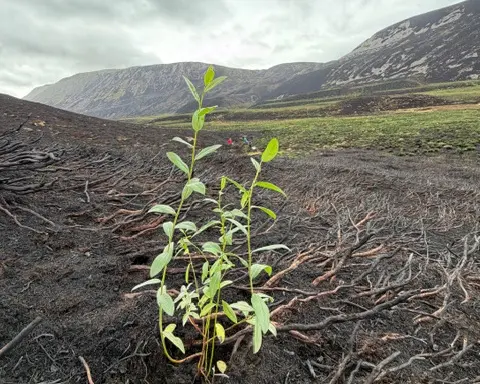
Three months after devastating wildfires swept through the Cairngorms, early signs of ecological recovery are visible. The blaze consumed twenty-five square kilometers of moorland and forest in Scotland. Observers report a stark contrast between the charred terrain and emerging green life. This recovery offers cautious hope for the damaged ecosystem.
Latest news
 Negro voter turnout has increased in the southern U.S. despite the Republican redistricting proposal: They couldn't stop the momentum
 Moscow shut down Novaya Gazeta - I told the truth and I paid the price
 Poland Calls For Cold War AI Defense Across Europe
 Microsoft Data Centre Protest Sparks Debate Over AI and Gaza
The visual impact of the disaster remains overwhelming. Much of the landscape appears blackened and lifeless. Moorland pines stand dark as charcoal, their needles singed to an unnatural rust color. The depth of the damage is shocking to those visiting the area. However, small but precious green shoots are beginning to push through the ash. These early signs indicate that the land is not entirely dead.
The scale of destruction took months to fully comprehend. The fire eventually engulfed a massive stretch of protected land. The heat intensity was sufficient to kill mature trees and sterilize topsoil in some areas. Yet, nature’s resilience is evident in the new growth. Vegetation is reasserting itself in the aftermath of the thermal shock. This regrowth is a critical indicator of the ecosystem's capacity to heal.
Can the Ecosystem Fully Bounce Back?
Witnesses describe the scene as surreal. The blackness of the land dominates the view. The singed pines create a haunting silhouette against the sky. Despite this bleak appearance, the soil beneath holds potential. The first green shoots represent a biological restart. They signal that seeds and root systems survived the inferno. This phenomenon is rare in such extensive fire events.
The long-term prognosis for the Cairngorms remains uncertain. While initial regrowth is promising, full recovery will take years. The loss of mature canopy trees alters the local microclimate. Soil erosion risks increase as vegetation is sparse. Conservation efforts will likely focus on supporting natural regeneration. Monitoring these green shoots is essential for future planning.
The fire highlights the vulnerability of highland ecosystems to extreme weather. Climate change may increase the frequency of such events. The current recovery phase is a test of ecological memory. If the green shoots thrive, the forest may eventually return. However, the composition of the new forest may differ from the old. This shift could affect wildlife habitats and biodiversity.
Frequently Asked Questions
How much land did the Cairngorms fires destroy? The wildfires consumed approximately twenty-five square kilometers of moorland and forest. This area includes significant stretches of protected highland terrain. The damage extended across multiple habitat types.
What are the first signs of recovery? Observers have noted small green shoots emerging from the ash. These plants indicate that the soil and seed bank survived the fire. This early growth is a positive sign for future regeneration.
How long will full recovery take? Full ecological recovery will likely span many years. The timeline depends on weather conditions and natural reseeding rates. Conservationists are monitoring the progress closely to ensure stability.