How does China justify its expanded maritime reach?
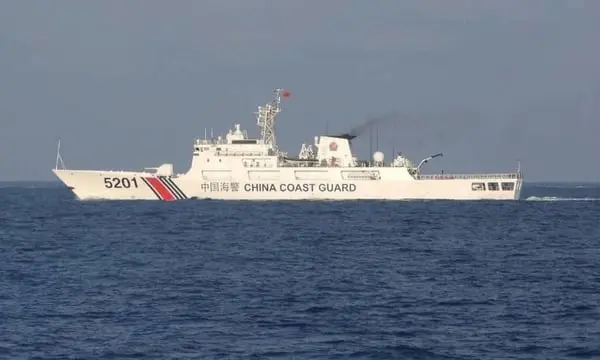
China is expanding naval patrols into previously unmonitored waters around Taiwan, establishing a regular presence and deploying scientific ships capable of gathering military intelligence. The move, reported in September 2026, reflects Beijing’s broader strategy to assert control over the Taiwan Strait and surrounding areas through sustained, normalized operations.
Latest news
 South Africans Mark Femicide Victims in Emotional Cape Town Vigil
 Russians flee ahead of election results, fearing forced mobilisation
 Israeli Forces Conduct Demolitions in Southern Lebanon, Hospital Set Ablaze
 Fear of AI Job Losses Now Outweighs Hope for New Opportunities, Study Shows
The increased activity includes sending research vessels that dual-purpose as platforms for surveillance, allowing China to collect data on underwater topography, submarine movements, and communications signals while maintaining a civilian facade. These ships operate alongside coast guard and naval forces, creating a layered presence that complicates monitoring by Taiwan and its allies. Analysts note the patrols are not sporadic but part of a deliberate effort to shift the status quo by making Chinese vessels a constant sight in zones Taipei considers its own.
What risks does this pose for regional stability?
Beijing frames the patrols as lawful exercises of its rights under international law, claiming historical rights over the South China Sea and adjacent waters. Official statements emphasize scientific research and environmental monitoring as primary goals, though defense ministries in Taipei and Washington have warned that the vessels carry equipment suited for intelligence gathering. The regularization of these patrols aims to accustom other nations to China’s presence, reducing diplomatic friction over time while strengthening Beijing’s strategic position.
The persistent presence of Chinese research and enforcement vessels raises the likelihood of accidental encounters with Taiwanese or foreign ships, potentially triggering incidents that could escalate quickly. Taiwan’s military has reported increased scrambles of jets and ships in response, while the United States has reiterated its commitment to freedom of navigation operations in the area. Experts warn that without clear communication channels, the pattern of sustained patrols could increase miscalculation risks, especially during periods of heightened political tension.
Are the research vessels armed? While officially unarmed for scientific missions, these ships often carry sensor arrays and communication systems that can support military operations, blurring the line between civilian and naval use.
Frequently Asked Questions
How does Taiwan respond to the patrols? Taiwan monitors the movements closely, issuing verbal warnings and deploying its own coast guard and navy ships to track Chinese vessels, though it avoids direct confrontation to prevent escalation.
Is this activity new or a continuation of past behavior? The pattern builds on years of incremental pressure, but the 2026 deployment marks a shift toward permanent, normalized presence rather than temporary deployments, signaling a long-term strategic change.