The Growing Threat of Extreme Rainfall
Record rainfall has triggered severe flash floods across the United States this past month. Experts warn that climate change is making these events more frequent and intense. These deluges cause significant damage and have proven deadly in many areas.
Latest news
 Swedish Voters Choose New Parliament as Left-Wing Coalition Projects to Win Majority
 Trump Announces End of US Tariff on Irish Whisky
 Frances Stonor Saunders, Author of CIA Cultural Espionage Exposé, Dies at 66
 Israel and Lebanon to Hold Security Talks in Rome This October
States nationwide have experienced unprecedented levels of precipitation. This has led to dangerous and rapidly developing flood situations. The increasing frequency of these extreme weather patterns is directly linked to a changing climate.
Heavy rainfall events are becoming a common occurrence. This trend is expected to worsen as global warming continues. Scientists explain that a warmer atmosphere holds more moisture. This increased moisture then leads to heavier downpours when storms occur.
How Does Climate Change Intensify Flooding?
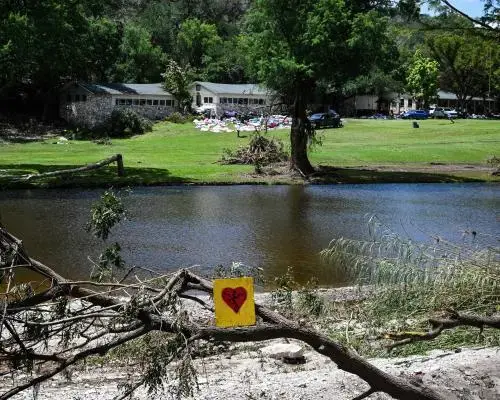
One year after a devastating flood hit a children's summer camp in central Texas, the state is again facing similar challenges. Other parts of the country are also experiencing similar weather patterns. This highlights a national vulnerability to these severe weather events. The human and economic toll of these floods is substantial. Communities face displacement, infrastructure damage, and loss of life.
Climate change directly contributes to more intense rainfall. Warmer temperatures cause more water to evaporate from oceans and land. This extra moisture then becomes available for storms. When these storms release their precipitation, it comes down in greater volumes. This overwhelms drainage systems and leads to rapid flooding. The ground also struggles to absorb such large amounts of water quickly.
The outlook suggests a continued increase in both the frequency and severity of these floods. Communities must adapt to these new realities. Improved early warning systems and resilient infrastructure are crucial. Planning for future extreme weather events is essential to protect lives and property.
Frequently Asked Questions
What is causing the increase in heavy rainfall? Climate change is the primary driver. A warmer atmosphere holds more moisture, leading to more intense downpours during storms.
Will these flooding events become more common? Yes, experts predict that flash floods caused by heavy rain will become more frequent and severe as the climate crisis worsens.
What are the main impacts of these floods? The impacts include loss of life, displacement of communities, and significant damage to infrastructure and property.