The Implications of Partisan Politics on Defense
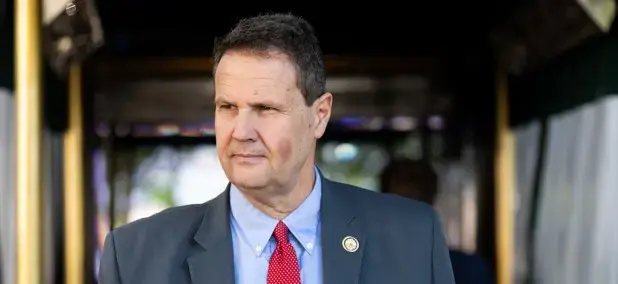
Rep. Jeff Crank, a Republican from Colorado, expressed his worries about the potential impact of ongoing funding for the Iran war on the missile defense initiatives supported by the Golden Dome Caucus. In an interview with Defence One, Crank highlighted the challenges posed by partisan gridlock in Congress, which could derail President Donald Trump's ambitious plans for a comprehensive missile defense system.
Latest news
 Swedish Voters Choose New Parliament as Left-Wing Coalition Projects to Win Majority
 Trump Announces End of US Tariff on Irish Whisky
 Frances Stonor Saunders, Author of CIA Cultural Espionage Exposé, Dies at 66
 Israel and Lebanon to Hold Security Talks in Rome This October
Crank emphasized that the allocation of resources to the Iran conflict is diverting attention and funds away from critical defense projects. He stated, „Funding for Golden Dome is a concern of mine.” This statement underscores the urgency of addressing the funding priorities amid a divided Congress, where bipartisan support is essential for advancing defense measures.
The Golden Dome Caucus has been a strong advocate for missile defense funding, viewing it as essential for national security. However, the current political climate complicates these efforts. Crank pointed out that with increasing tensions in the Middle East, particularly regarding Iran, lawmakers face difficult decisions about where to allocate resources. The ongoing conflict could overshadow other defense priorities, leading to a potential shortfall in funding for missile defense initiatives.
Can Bipartisan Support Be Achieved?
As the situation unfolds, Crank's concerns reflect a broader anxiety among defense advocates. The prospect of a robust missile defense shield is at stake if funding debates continue to be mired in political disagreements. The urgency of securing funding for these defense systems is more critical than ever, especially in light of evolving threats.
The question remains whether Congress can find common ground to support missile defense funding while addressing the needs of the Iran conflict. Crank believes that bipartisan cooperation is crucial to ensure that defense projects do not suffer due to political strife. He urged lawmakers to prioritize national security over partisan interests.
The future of missile defense funding hangs in the balance. If Congress fails to act decisively, the implications could be significant for U. S. security posture. The potential weakening of missile defense efforts could leave the country vulnerable to emerging threats, particularly from nations like Iran.
Frequently Asked Questions
What is the Golden Dome Caucus? The Golden Dome Caucus is a group of lawmakers advocating for missile defense funding and initiatives, emphasizing the importance of national security.
Why is funding for the Iran war a concern for missile defense? Funding for the Iran war diverts resources and attention from missile defense projects, potentially jeopardizing critical initiatives needed for national security.
What could happen if Congress does not reach a bipartisan agreement? Without bipartisan support, missile defense funding may suffer, leaving the U. S. vulnerable to threats and undermining efforts to enhance national security.