The Thirst of the Digital Age
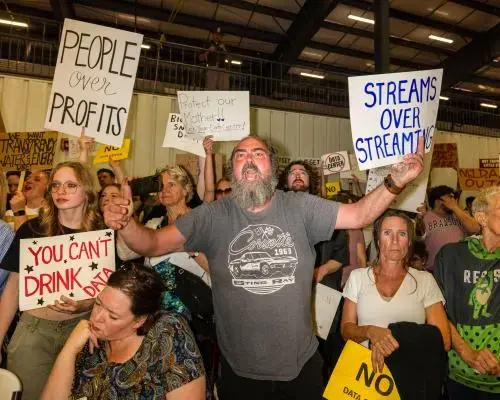
A massive data center project in Utah, backed by investor Kevin O’Leary, is sparking local outrage. Residents are concerned about the immense water and power demands. The project, named Stratos, promises economic benefits but faces growing opposition. It highlights a national trend of data center development.
Latest news
 Swedish Voters Choose New Parliament as Left-Wing Coalition Projects to Win Majority
 Trump Announces End of US Tariff on Irish Whisky
 Frances Stonor Saunders, Author of CIA Cultural Espionage Exposé, Dies at 66
 Israel and Lebanon to Hold Security Talks in Rome This October
The Stratos project aims to build a sprawling complex near Eagle Mountain, Utah. It intends to house servers for artificial intelligence and high-performance computing. O’Leary’s involvement has drawn significant attention, given his public profile. Critics argue the project prioritizes tech growth over community needs. The scale of the development is unprecedented for the area.
Data centers require vast amounts of energy and water for cooling. This is especially critical in the arid climate of the American West. Stratos is projected to consume millions of gallons of water annually. Local officials worry about the impact on already strained resources. Residents fear reduced water pressure and potential shortages for homes and agriculture.
Will Innovation Trump Local Concerns?
„We’re not against progress,” said a local resident at a town hall meeting. „But this feels like sacrificing our community’s future for someone else’s profit.” The project’s environmental review is under scrutiny. Concerns center on the long-term sustainability of water usage. Opponents question whether the economic gains outweigh the environmental costs.
The demand for data centers is surging, driven by AI and cloud computing. Companies are racing to build capacity to meet growing needs. Utah is becoming a popular location due to relatively low energy costs. However, this influx of development is creating friction with local communities. The promise of jobs and tax revenue is often pitted against concerns about resource depletion.
O’Leary defends the project, emphasizing its potential economic benefits. He argues Stratos will bring high-paying jobs and boost the local economy. He dismissed concerns about water usage as manageable. „We’re committed to being responsible stewards of the environment,” he stated. Critics remain skeptical, pointing to the project’s sheer scale.
The future of Stratos, and similar projects, remains uncertain. Local opposition is mounting, and legal challenges are possible. The situation highlights a broader conflict. It’s a conflict between technological advancement and sustainable resource management. The long-term consequences for communities hosting these data centers are still unfolding.
Frequently Asked Questions
What makes the Stratos project different? Stratos stands out due to its immense size and the high-profile involvement of Kevin O’Leary. It’s intended to be a cutting-edge facility focused on AI. This has brought increased scrutiny from residents and environmental groups.
How are data centers impacting water resources? Data centers use significant amounts of water for cooling their servers. This puts a strain on water supplies, especially in arid regions. The increasing number of these facilities exacerbates the problem.
What is being done to address these concerns? Some data centers are exploring alternative cooling methods. These include air cooling and water recycling technologies. However, these solutions are not always feasible or cost-effective.