Rising tensions over Kurdish dissent
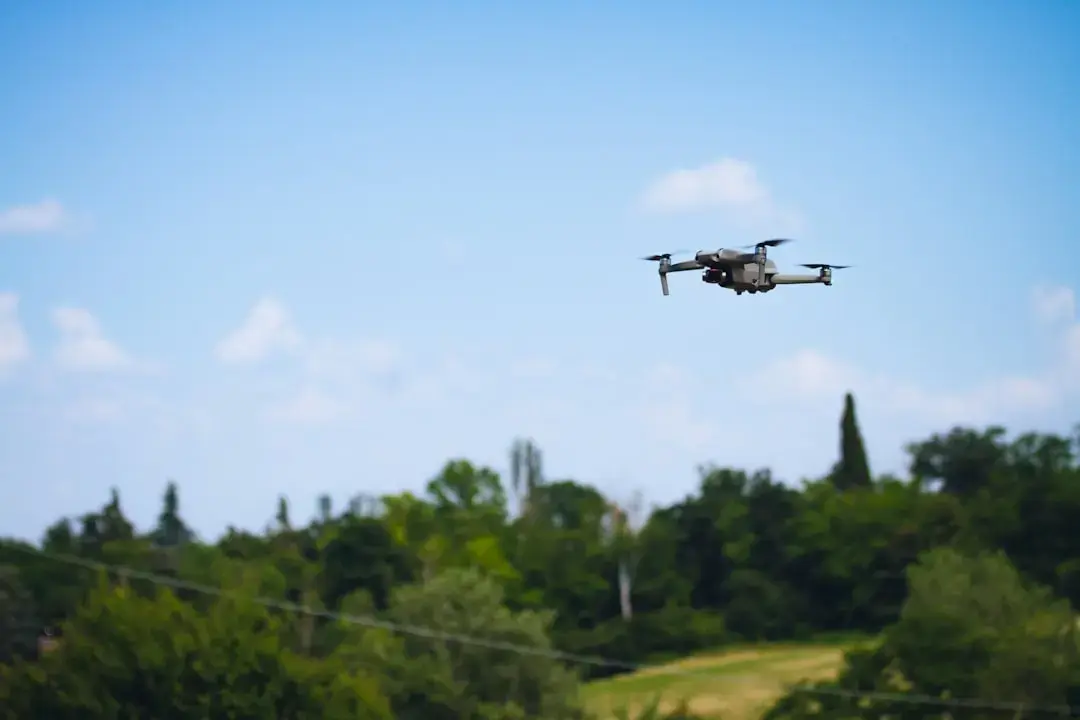
A drone attack struck a camp belonging to an Iranian Kurdish opposition group in the northeast of Iraq, close to Erbil, on Thursday. Security sources told Reuters the strike caused no injuries, and the group quickly secured the site. The incident adds to a series of cross‑border attacks in the region.
Latest news
 Swedish Voters Choose New Parliament as Left-Wing Coalition Projects to Win Majority
 Trump Announces End of US Tariff on Irish Whisky
 Frances Stonor Saunders, Author of CIA Cultural Espionage Exposé, Dies at 66
 Israel and Lebanon to Hold Security Talks in Rome This October
The camp, used by the Iranian Kurdish opposition for training and coordination, was hit by an unmanned aerial vehicle believed to have been launched from Iranian territory. Analysts say the attack reflects Tehran’s growing willingness to target dissident groups abroad. The group, which opposes Iran’s Kurdish policies, has previously operated in Iraqi Kurdistan, taking advantage of the semi‑autonomous region’s relative safety. Iraqi officials have condemned the breach of sovereignty, while the United States, which maintains a military presence in the area, is monitoring the situation closely.
The strike underscores the fragile security environment along Iraq’s northern border. Iranian intelligence services have long monitored Kurdish activists, accusing them of colluding with foreign powers. Recent weeks have seen increased drone activity over Iraqi airspace, prompting Baghdad to reinforce its air defenses. Kurdish authorities in Erbil have called for an urgent meeting with Iraqi and coalition partners to discuss protective measures for political refugees. The opposition group, which has denied involvement in armed conflict, says the attack aims to intimidate its members and silence criticism of Tehran.
Why are Iranian Kurdish groups targeted from abroad?
Iran’s strategy of targeting opposition cells outside its borders seeks to disrupt organizational networks and deter recruitment. By striking a camp in Iraqi Kurdistan, Tehran sends a message that distance does not guarantee safety. Experts note that such attacks risk escalating into broader confrontations between Iran and Iraq, especially if civilian sites are harmed. The lack of casualties in this incident may reflect precise targeting, but it also raises concerns about the potential for future, more lethal strikes. Regional powers are watching closely, as any misstep could destabilize the delicate balance in the Kurdish region.
The aftermath of the drone strike is likely to tighten security protocols around Kurdish refugee camps. Iraqi authorities may increase patrols and coordinate with coalition forces to deter further incursions. Meanwhile, the opposition group is expected to relocate its activities, possibly moving deeper into the mountains to avoid detection. The episode highlights the ongoing struggle between Iranian security policies and Kurdish aspirations for autonomy.
Frequently Asked Questions
Who carried out the drone attack? While no group has claimed responsibility, security sources suspect Iranian intelligence services, given the target and location.
Were there any injuries or deaths? According to initial reports, the strike caused no casualties, and the camp’s occupants were unharmed.
What does this mean for Iraqi sovereignty? The incident challenges Iraq’s control over its airspace and may prompt diplomatic protests and stronger defensive measures.