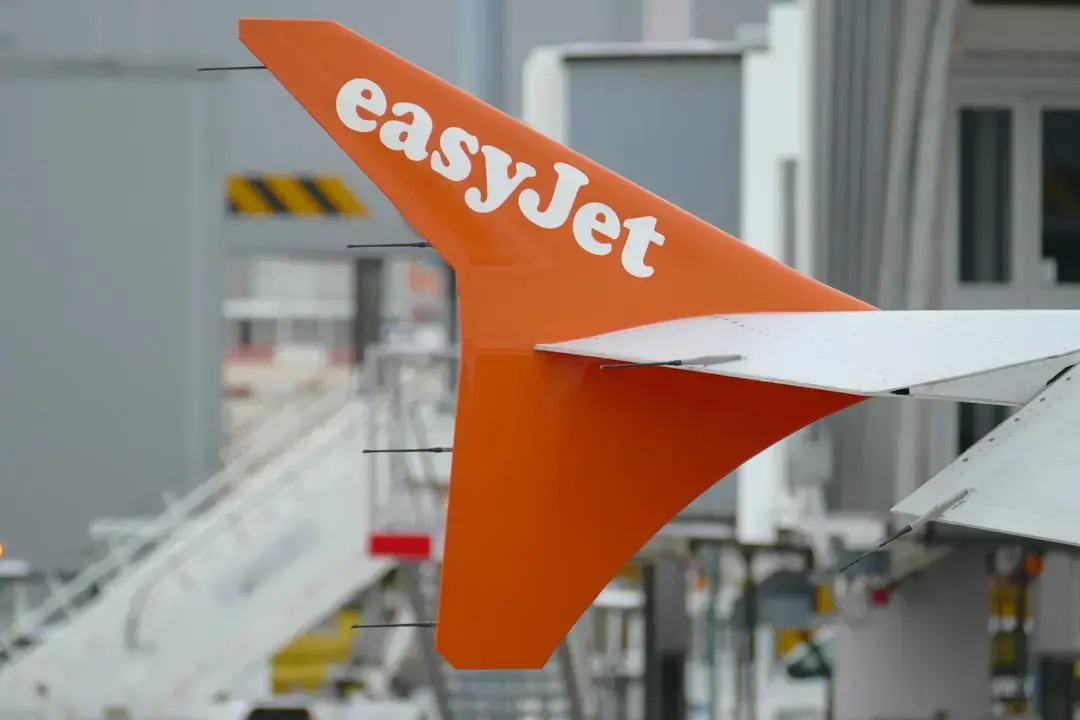
Fuel Price Surge Hits Airline's Bottom Line
EasyJet Plc reported a 70% decline in profit for its third fiscal quarter, citing a significant rise in fuel costs and decreased demand. The airline's financial results cover the period from April to June. EasyJet's fuel bill increased substantially year-on-year.
Latest news
 Swedish Voters Choose New Parliament as Left-Wing Coalition Projects to Win Majority
 Trump Announces End of US Tariff on Irish Whisky
 Frances Stonor Saunders, Author of CIA Cultural Espionage Exposé, Dies at 66
 Israel and Lebanon to Hold Security Talks in Rome This October
The airline's fuel costs rose by £105 million compared to the same period last year, significantly impacting its bottom line. This surge in fuel expenses, combined with lower demand, led to the substantial decline in profit. EasyJet's capacity also decreased by 2% during the quarter.
The increased fuel bill was a major contributor to EasyJet's profit decline. The airline's efforts to manage costs were not enough to offset the impact of higher fuel prices. As a result, EasyJet's profit before tax fell to £129 million from £430 million in the same quarter last year.
Can EasyJet Recover from the Slump?
The decline in demand also played a role in EasyJet's financial performance. The airline's passenger numbers decreased, contributing to the overall drop in profit. EasyJet is working to adjust its operations in response to changing market conditions.
The airline's financial performance is expected to continue being impacted by fuel prices and demand. EasyJet will need to navigate these challenges to recover from the current slump.
Frequently Asked Questions
What was the main reason for EasyJet's profit decline? EasyJet's profit fell due to a £105 million increase in fuel costs and decreased demand. The airline's capacity also decreased.
How did EasyJet's capacity change in the quarter? EasyJet's capacity decreased by 2% during the quarter, contributing to the decline in profit.
What was EasyJet's profit before tax in the quarter?