Tightening Monetary Policy
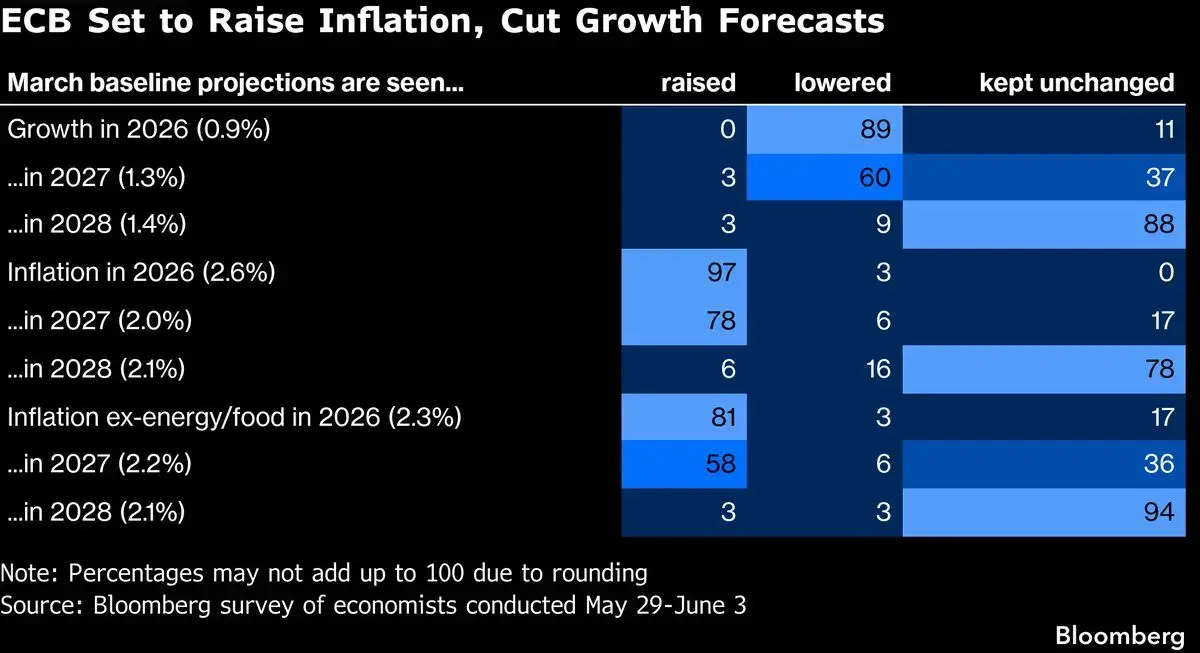
The European Central Bank is set to raise interest rates for the first time since 2023 amid soaring prices. The decision is expected to be made as inflation continues to outpace forecasts, putting pressure on the bank to act. This move comes as European economies face mounting challenges.
Latest news
 Swedish Voters Choose New Parliament as Left-Wing Coalition Projects to Win Majority
 Trump Announces End of US Tariff on Irish Whisky
 Frances Stonor Saunders, Author of CIA Cultural Espionage Exposé, Dies at 66
 Israel and Lebanon to Hold Security Talks in Rome This October
The ECB has been under scrutiny for its handling of inflation, with critics arguing that it has been too slow to respond. As a result, the bank is now facing a difficult balancing act, needing to curb inflation without stifling economic growth. The rate hike is seen as a crucial step in addressing the issue.
The ECB's decision to raise interest rates will mark a significant shift in its monetary policy stance. By increasing borrowing costs, the bank aims to reduce demand and bring inflation back under control. This move is likely to have far-reaching consequences for European economies.
Will Higher Rates Stifle Growth?
The rate hike is expected to have a ripple effect throughout the economy, potentially slowing down growth. However, the ECB is likely to argue that the move is necessary to prevent inflation from becoming entrenched. The challenge now is to strike the right balance.
The ECB's decision is likely to have significant consequences for European economies, with potential impacts on borrowing costs and economic growth. As the situation continues to unfold, investors and consumers will be watching closely.
Frequently Asked Questions
What is driving the ECB's decision to raise interest rates? The ECB is responding to surging inflation, which has outpaced forecasts and put pressure on the bank to act. The rate hike aims to curb inflation.
How will the rate hike affect European economies? The rate hike is likely to have a ripple effect, potentially slowing down economic growth. However, it is seen as necessary to prevent inflation from becoming entrenched.
What are the potential consequences for consumers? Consumers may face higher borrowing costs, potentially affecting mortgage and loan repayments. The impact will depend on individual circumstances.