Stagflation Concerns Grow
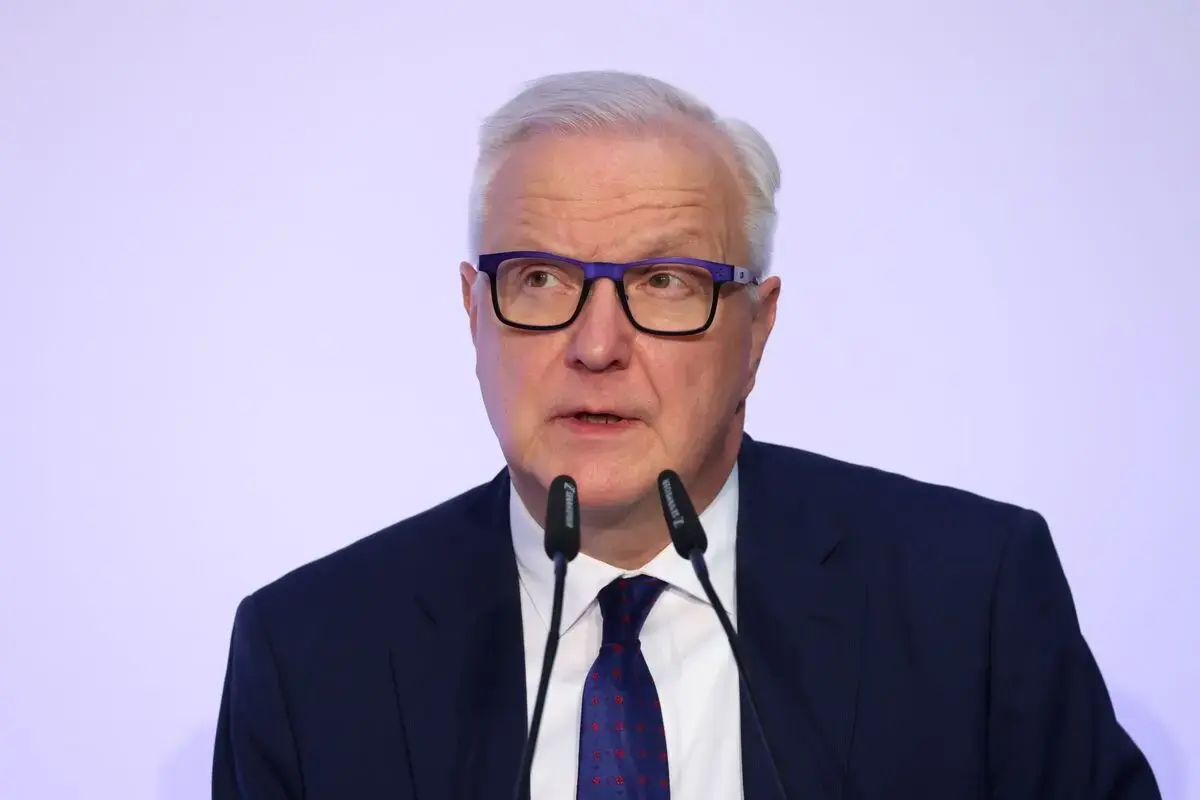
European Central Bank Governing Council member Olli Rehn warned that the ongoing energy shock is producing stagflationary effects. The conflict in the Middle East is escalating inflation while weighing on economic expansion. Rehn's comments came as the ECB continues to navigate the challenging economic landscape.
Latest news
 Swedish Voters Choose New Parliament as Left-Wing Coalition Projects to Win Majority
 Trump Announces End of US Tariff on Irish Whisky
 Frances Stonor Saunders, Author of CIA Cultural Espionage Exposé, Dies at 66
 Israel and Lebanon to Hold Security Talks in Rome This October
The energy shock has led to increased inflationary pressures, which in turn are affecting economic growth. Rehn noted that the situation is becoming increasingly concerning, with the potential for long-term damage to the economy. The ECB has been working to address the issue through monetary policy adjustments.
Can Monetary Policy Mitigate the Effects?
The ECB faces a difficult task in balancing the need to control inflation with the risk of stifling economic growth. Rehn's comments suggest that the bank is taking a cautious approach, carefully weighing its options. The outcome will depend on various factors, including the trajectory of the conflict and the global economic response.
The consequences of the energy shock will likely be far-reaching, with potential long-term effects on the economy. The ECB's response will be crucial in determining the outcome, and Rehn's comments suggest a cautious and considered approach.
What is stagflation? Stagflation is a rare economic phenomenon characterized by high inflation and stagnant economic growth. It poses a significant challenge for policymakers.
Frequently Asked Questions
How is the ECB responding to the energy shock? The ECB is using monetary policy adjustments to address the issue, carefully balancing the need to control inflation with the risk of stifling economic growth.
What are the potential consequences of the energy shock? The energy shock could have long-term effects on the economy, including reduced growth and increased inflationary pressures.