A Shift in Monetary Policy
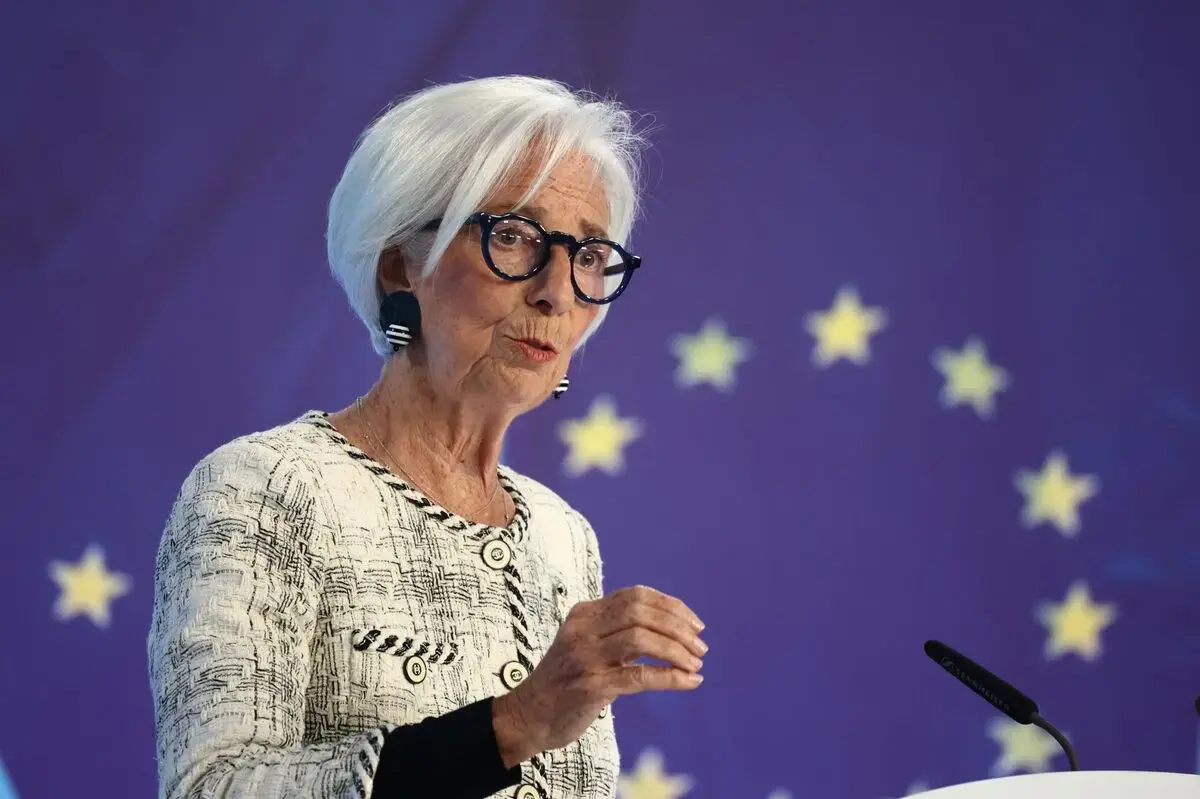
The European Central Bank (ECB) has increased interest rates for the first time in nearly three years, as inflation shows signs of rising again. ECB President Christine Lagarde made the announcement, citing concerns over the inflation outlook. The decision was made during a recent ECB meeting.
Latest news
 Swedish Voters Choose New Parliament as Left-Wing Coalition Projects to Win Majority
 Trump Announces End of US Tariff on Irish Whisky
 Frances Stonor Saunders, Author of CIA Cultural Espionage Exposé, Dies at 66
 Israel and Lebanon to Hold Security Talks in Rome This October
The ECB's move is a response to the current economic situation, where inflation is heating up. The bank had kept interest rates steady for an extended period, but the latest data indicated a need for adjustment. The rate hike is expected to help curb inflationary pressures.
The ECB's decision to raise interest rates marks a significant shift in its monetary policy stance. The bank had been maintaining a dovish stance, but the recent inflation data has prompted a more hawkish approach. The rate hike is seen as a measure to ensure price stability.
Can the ECB Tame Inflation Without Derailing Growth?
The inflation rate in the eurozone has been a concern, with some countries experiencing higher-than-expected price growth. The ECB's action is aimed at addressing these concerns and maintaining economic stability. The bank's policymakers are closely monitoring the situation and are prepared to make further adjustments as needed.
The ECB faces a delicate task in balancing its inflation-fighting efforts with the need to support economic growth. The rate hike is expected to have a ripple effect on the economy, potentially impacting borrowing costs and consumer spending. The bank's ability to navigate this challenge will be closely watched.
The ECB's decision is likely to have significant consequences for the eurozone economy. As the bank continues to monitor the inflation outlook, further rate adjustments are possible. The economic landscape remains uncertain, and the ECB's actions will be crucial in shaping the region's economic trajectory.
Frequently Asked Questions
What prompted the ECB to raise interest rates? The ECB raised interest rates in response to rising inflation concerns and a need to ensure price stability.
How will the rate hike affect consumers? The rate hike is expected to lead to higher borrowing costs, potentially impacting consumer spending and mortgage rates.
Will the ECB continue to raise interest rates? The ECB's future actions will depend on the inflation outlook, and further rate adjustments are possible if inflation remains a concern.