Findings showed a significant increase in the use of verbal persuasion, active
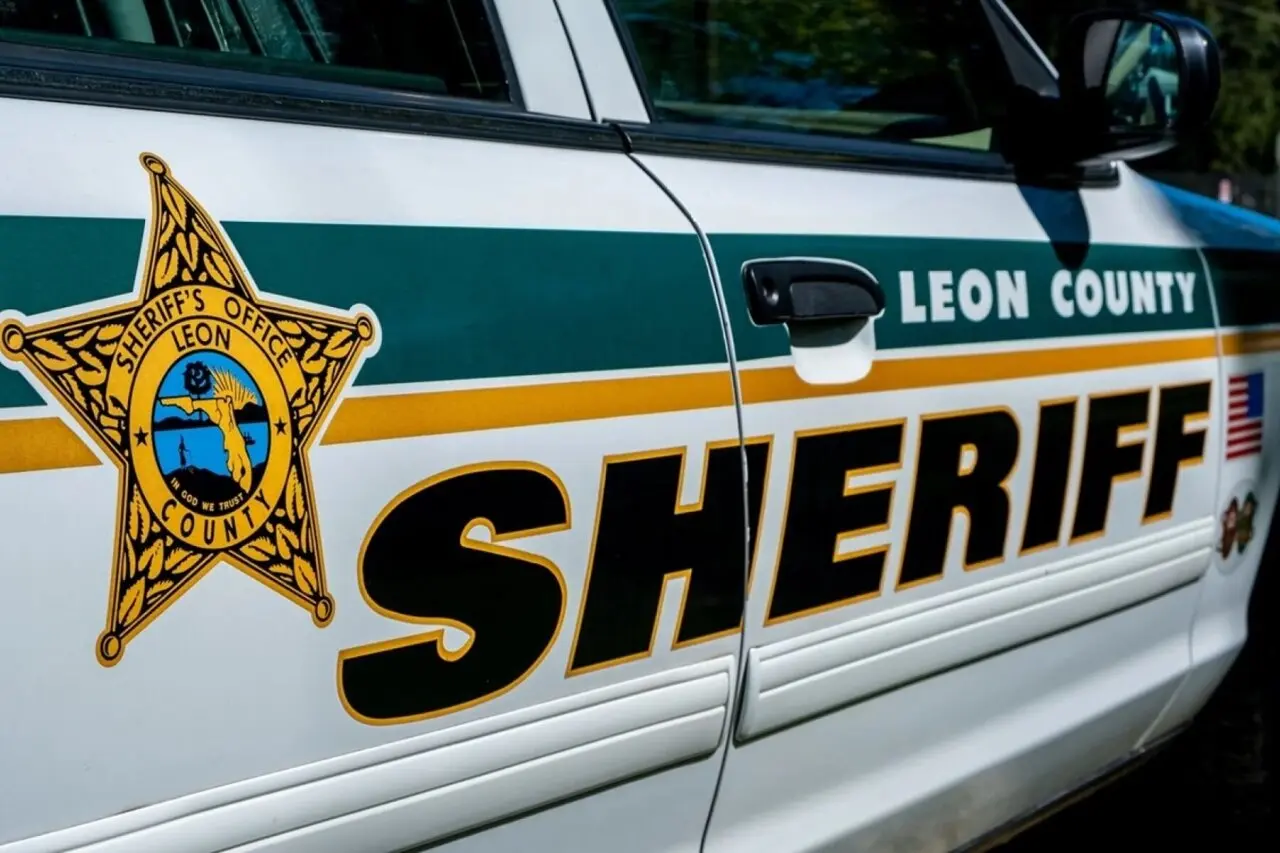
A three-year study conducted by Florida State University's College of Criminology and Criminal Justice found that police officers can be trained to use de-escalation techniques effectively. The research, carried out in collaboration with the Leon County Sheriff's Office in Tallahassee, Florida, focused on evaluating an evidence-based training program designed to improve officer decision-making during tense encounters. Results indicated measurable improvements in officers' ability to calm situations without resorting to force, suggesting that de-escalation is not just an innate trait but a skill that can be taught and refined through structured instruction. The training program emphasized scenario-based learning, role-playing exercises, and feedback from experienced instructors. Officers participated in simulated interactions that mirrored real-world calls involving mental health crises, domestic disputes, and community conflicts. Researchers collected data through pre- and post-training assessments, body-worn camera footage, and supervisor evaluations.
Latest news
 Swedish Voters Choose New Parliament as Left-Wing Coalition Projects to Win Majority
 Trump Announces End of US Tariff on Irish Whisky
 Frances Stonor Saunders, Author of CIA Cultural Espionage Exposé, Dies at 66
 Israel and Lebanon to Hold Security Talks in Rome This October
Findings showed a significant increase in the use of verbal persuasion, active listening, and tactical patience among trained officers. The study also noted a reduction in complaints and use-of-force incidents in the months following training completion, supporting the idea that consistent practice leads to lasting behavioral change. How Scenario-Based Drills Build Officer Confidence Instructors used high-fidelity simulations to replicate unpredictable street encounters, allowing officers to practice responses in a safe environment. These drills included actors portraying individuals in emotional distress, requiring trainees to adapt their communication style based on verbal and nonverbal cues. According to lead researcher Dr. Maria Thompson, „Officers who repeated these scenarios showed greater situational awareness and were more likely to choose dialogue over force.”The iterative nature of the training—where officers received immediate feedback and repeated scenarios—helped reinforce learning.
Over time, participants reported feeling more prepared to handle volatile
Over time, participants reported feeling more prepared to handle volatile situations calmly and professionally. Can De-Escalation Training Reduce Reliance on Force? Data from the Leon County Sheriff's Office revealed a 22% decrease in use-of-force incidents among officers who completed the full training cycle compared to a control group that did not receive the intervention. Supervisors also noted improved documentation of de-escalation efforts in incident reports, indicating a shift in organizational culture. While researchers acknowledged that training alone cannot eliminate all risks in policing, they argued that equipping officers with practical tools increases the likelihood of peaceful resolutions. The study concluded that sustained investment in evidence-based de-escalation programs could contribute to safer outcomes for both law enforcement and the communities they serve. Frequently Asked Questions What specific techniques were taught in the de-escalation training?
Officers learned verbal communication strategies, active listening, emotional regulation, and tactical positioning to create space and time during encounters. The training also included recognizing signs of mental health crisis and adapting responses accordingly. How long did the training program last for each officer? The program consisted of multiple sessions spread over several weeks, totaling approximately 16 hours of instruction and practice per officer, including classroom learning and hands-on scenarios. Was the training effective across different levels of officer experience? Yes, improvements were observed among both new recruits and veteran officers, indicating that de-escalation skills can be developed regardless of tenure or prior experience.