Examining Collective Industry Action
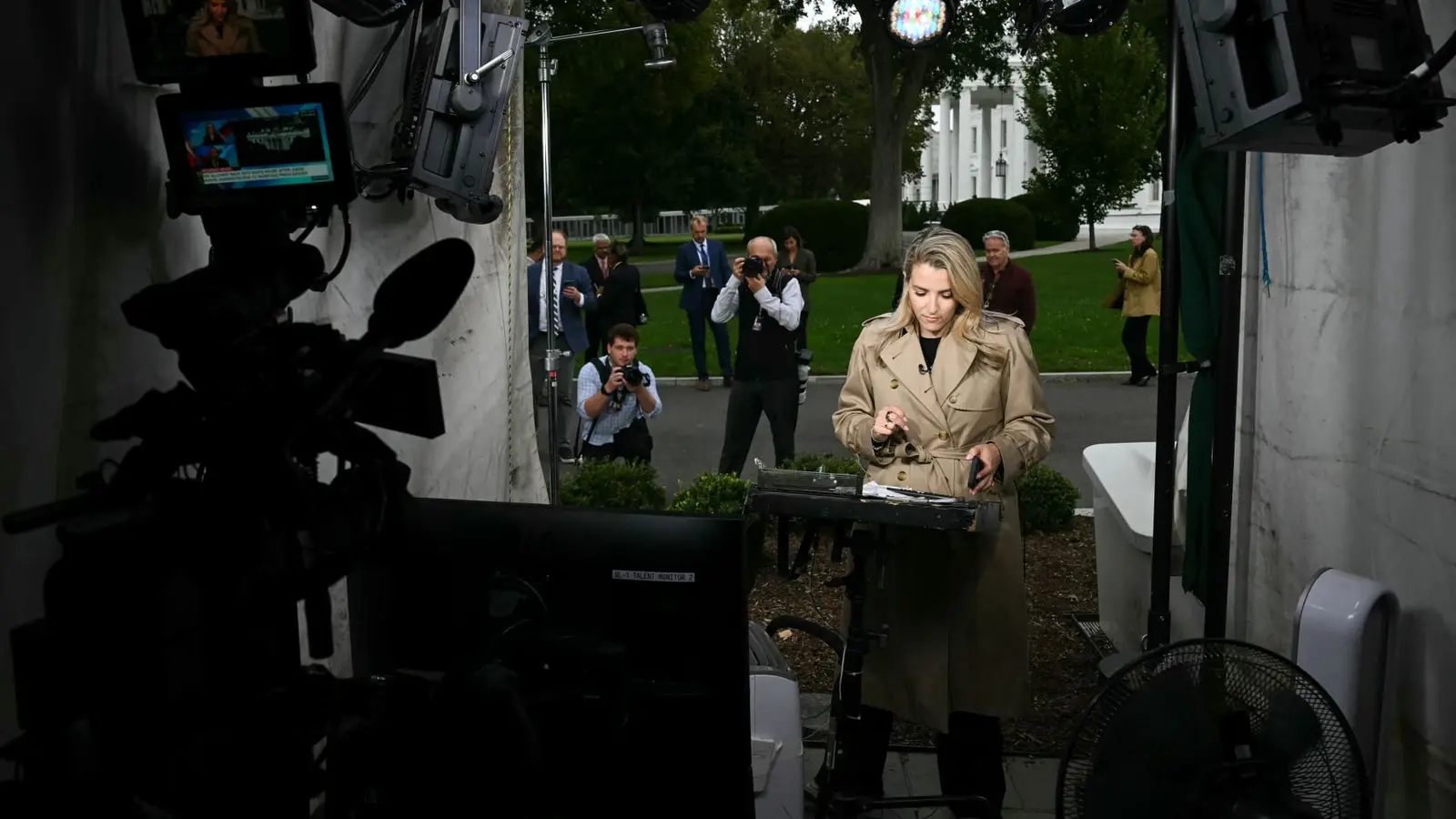
The U. S. Department of Justice has launched an investigation into the White House television press pool. Officials are examining whether the group’s decision to stop covering President Donald Trump last month constitutes an illegal boycott. The probe centers on whether collective action by competing broadcasters violates federal antitrust statutes.
Latest news
 Polish Authorities Investigate Threat Against Prime Minister
 Airstrikes reported at Sanaa International Airport in Yemen
 Factory Workers Turn Against Republicans Over Tariff Job Losses
 Brazilian President Lula Accuses Meta of Election Interference
The conflict began after the administration restricted CNN’s access to the White House grounds. In response, the television pool—a collaborative effort between major networks to share footage—halted its coverage of the president. Department of Justice spokesperson Emily Covington confirmed that authorities are now reviewing the legality of this coordinated withdrawal.
Antitrust laws generally prohibit competitors from agreeing to boycott specific entities or services. When rival news organizations act in concert to withhold coverage, it raises significant legal questions regarding market competition. Federal regulators are currently determining if the pool’s actions crossed the line from independent editorial judgment into prohibited anti-competitive behavior.
Could Media Coordination Trigger Legal Penalties?
The investigation focuses on whether the broadcasters engaged in a group boycott. Such actions are often scrutinized under U. S. law because they can artificially restrict the flow of information to the public. If the government finds evidence of collusion, the networks involved could face formal legal challenges regarding their operational agreements.
The outcome of this inquiry remains uncertain as investigators gather evidence. The Department of Justice has not yet indicated whether it will pursue formal charges or civil penalties against the participating networks. Legal experts suggest that the case will hinge on whether the pool’s actions were a protected protest or a violation of trade regulations.
If the government determines that the pool’s decision was an illegal restraint of trade, it could set a major precedent for how media organizations coordinate. Future pool arrangements may require stricter compliance protocols to avoid similar antitrust scrutiny. For now, the industry awaits further guidance from federal investigators regarding the boundaries of collective press action.
Frequently Asked Questions
What is the primary focus of the Justice Department’s investigation? The probe examines whether the television press pool’s decision to stop covering the president qualifies as an illegal group boycott under antitrust law.
Why did the television pool stop its coverage? The group ceased its operations after the White House administration barred CNN from accessing the premises, leading the other networks to halt their shared coverage.
What are the potential legal consequences for the networks? If the government finds the coordination violated antitrust regulations, the participating broadcasters could face legal action or mandates to alter their operational agreements.