Protecting River Ecosystems
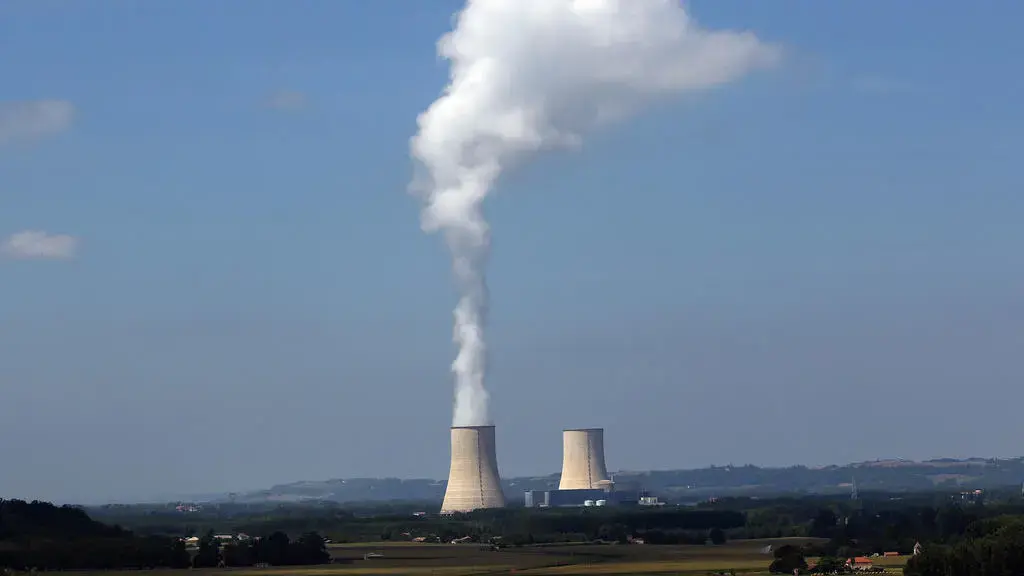
France's primary energy supplier announced Sunday the temporary shutdown of three nuclear reactors. Eight additional reactors are now operating at reduced capacity. This action aims to prevent the discharge of excessively warm water into rivers already affected by high temperatures.
Latest news
 Swedish Voters Choose New Parliament as Left-Wing Coalition Projects to Win Majority
 Trump Announces End of US Tariff on Irish Whisky
 Frances Stonor Saunders, Author of CIA Cultural Espionage Exposé, Dies at 66
 Israel and Lebanon to Hold Security Talks in Rome This October
This environmental safeguard is crucial during heatwaves. It stops rivers from becoming too hot, which could harm aquatic ecosystems. The decision reflects a commitment to ecological preservation.
Nuclear power plants use river water for cooling. This water is then returned to the river. If the discharged water is too warm, it can stress fish and other aquatic life. This can lead to oxygen depletion and even fish kills.
How Do Heatwaves Affect Nuclear Power Generation?
Regulators mandate these shutdowns to maintain river health. The current heatwave has pushed river temperatures higher than usual. This makes the cooling process more challenging.
Heatwaves impact nuclear power by limiting cooling options. Warmer river water means less efficient cooling for the reactors. This can force plants to reduce output or shut down completely.
Frequently Asked Questions
The shutdowns are a preventative measure. They ensure environmental standards are met. This prioritizes ecological integrity over continuous power generation during extreme weather.
What is the main reason for shutting down nuclear reactors during a heatwave? The primary reason is to prevent the discharge of overly hot water into rivers. This protects aquatic ecosystems from thermal pollution, which can harm fish and other wildlife.
How many reactors are affected by this measure? Three nuclear reactors have been temporarily shut down. Additionally, eight other reactors are currently operating at a reduced power output to manage water temperatures.