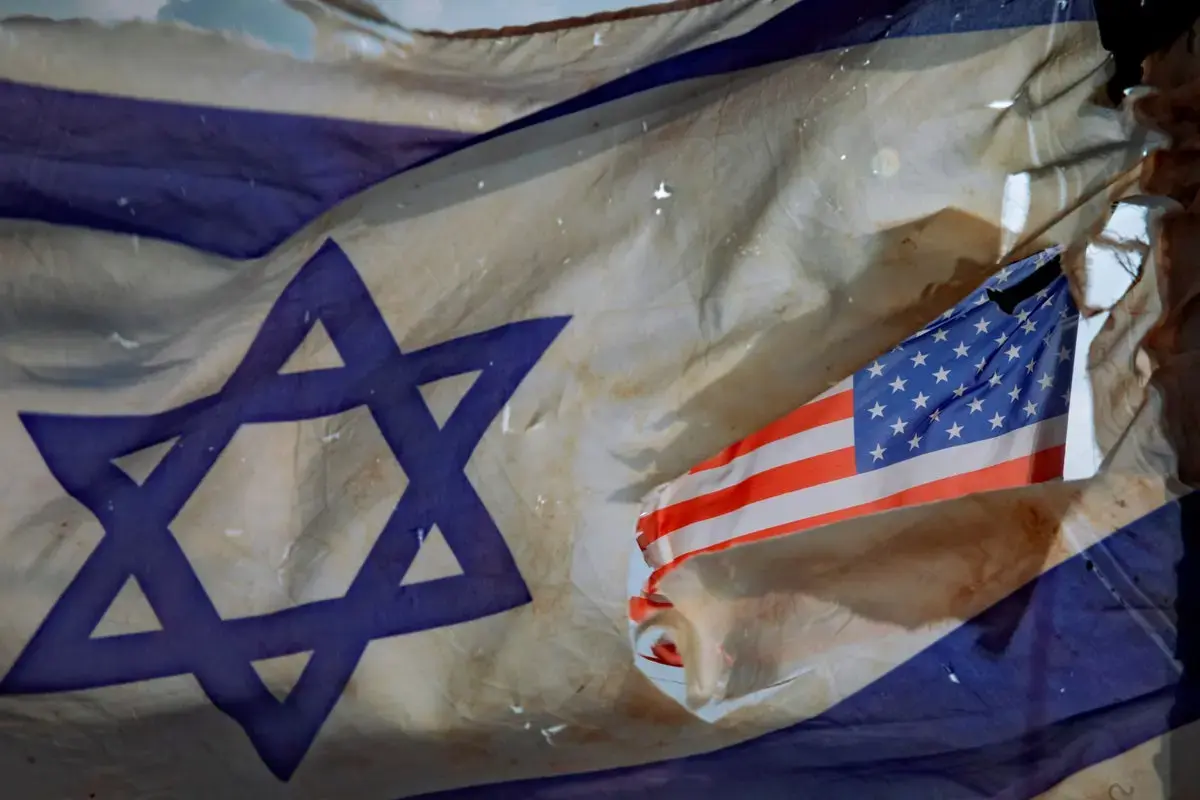
Generational Shifts in Diaspora Loyalty
Israelis across the political and religious spectrum are expressing deepening concern regarding their eroding relationship with younger American Jews. Recent observations suggest that the historical bond between the two populations is fraying, as generational shifts and differing cultural priorities create a significant divide that threatens long-standing communal ties.
Latest news
 Swedish Voters Choose New Parliament as Left-Wing Coalition Projects to Win Majority
 Trump Announces End of US Tariff on Irish Whisky
 Frances Stonor Saunders, Author of CIA Cultural Espionage Exposé, Dies at 66
 Israel and Lebanon to Hold Security Talks in Rome This October
Many Israelis view the United States as their most crucial strategic partner. However, the younger generation of American Jews increasingly distances itself from the policies and identity of the Israeli state. This disconnect is particularly visible in debates surrounding social justice, political governance, and the evolving nature of Jewish identity in the diaspora.
The traditional narrative of shared destiny is losing its resonance among American youth. While older generations often prioritized unconditional support for Israel, younger Jews frequently emphasize universalist values. This shift has led to uncomfortable conversations within families and organizations, as the definition of what it means to be a modern Jew continues to evolve in a globalized world.
Can the Transatlantic Bond Be Restored?
Observers note that the intensity of political polarization in both nations exacerbates these tensions. When Israeli policies conflict with the progressive leanings of many young Americans, the resulting friction often leads to a withdrawal from communal engagement. For many, the emotional connection that once defined the relationship is being replaced by critical scrutiny or apathy.
Bridging this gap remains a complex challenge for leadership on both sides of the Atlantic. Educational initiatives and exchange programs have historically served as the foundation for mutual understanding. Yet, these efforts struggle to compete with the rapid pace of digital discourse and the influence of social media, which often amplify points of contention rather than common ground.
Frequently Asked Questions
The long-term consequences of this drift remain uncertain. If the alienation continues, the political and financial support that Israel relies upon from the American Jewish community could diminish significantly. Experts warn that without a concerted effort to foster dialogue, the two groups may soon find themselves operating as separate entities with little shared history to bind them together.
Why is the connection between these two groups weakening? The decline is largely driven by generational differences in political values and social priorities. Younger American Jews often prioritize universalist causes, which can clash with the specific national policies pursued by the Israeli government.
What are the potential consequences of this divide? A sustained lack of engagement could lead to a decrease in advocacy and financial support for Israel. Over time, this may fundamentally alter the nature of the relationship between the global Jewish diaspora and the state of Israel.