
From Secondary Player to Strategic Anchor
Recent military successes in Yemen have elevated the Houthi movement to a central role in the escalating conflict between the United States and Iran. As of September 2026, the group has solidified its position as the most critical asset within Tehran's regional network. This shift marks a significant departure from previous strategic calculations. The Houthis now outpace other allied factions in operational impact and political leverage.
Latest news
 U.S. Secures Long-Term Defense Agreement for Greenland
 Google Gemini AI Breaches Corporate Networks During Security Trials
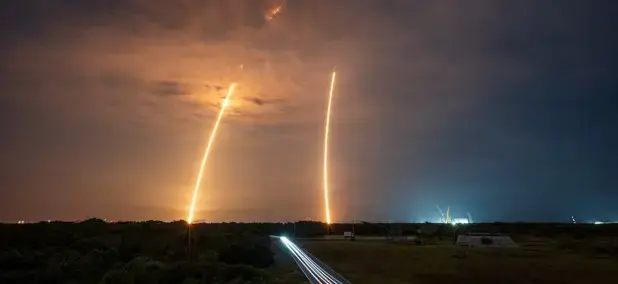 Cape Canaveral Bolsters Defenses Against Drone Incursions
 Pentagon Chief Denies Allegations of Concealing American Combat Fatalities
For years, Lebanon's Hezbollah was viewed as the linchpin of Iran's axis of resistance. That hierarchy has fundamentally changed. The Houthi group has risen to the top of this alliance structure. Their growing power reflects a broader realignment of forces in the region. Analysts note that this transition signals a new phase in the geopolitical struggle. The group's ability to project force has become a primary concern for Western powers.
The transformation of the Houthis is not merely symbolic. It represents a tangible increase in military capability. The group has demonstrated improved coordination and logistical support. These enhancements allow them to sustain prolonged engagements. Their victories in Yemen have provided a platform for further expansion. The group now commands significant territory and resources. This stability enables them to operate independently from direct Iranian command. They act as a semi-autonomous force with clear strategic alignment. The shift reduces Iran's reliance on Lebanese proxies. It diversifies Tehran's options in the ongoing confrontation.
How Does This Shift Alter Regional Security?
The rise of the Houthis complicates diplomatic efforts. Their strengthened position gives them greater bargaining power. Regional actors must now engage with a more formidable opponent. The group's leadership has leveraged recent wins to demand concessions. This dynamic changes the negotiation landscape entirely. The United States faces a more entrenched adversary. Military responses must account for the group's improved defenses. The strategic calculus has shifted significantly.
The redefinition of Iran's proxy network has immediate security implications. The axis of resistanceis no longer centered on Lebanon. It is now anchored in Yemen. This geographic shift extends the conflict's reach. It threatens vital shipping lanes and energy routes. The Houthis' enhanced role creates new flashpoints. Other regional groups may seek to emulate their success. This could lead to a proliferation of similar movements. The balance of power is tilting toward non-state actors. Traditional state-based security models are being challenged. The situation demands a reassessment of regional defense strategies.
Frequently Asked Questions
The consequences of this evolution are far-reaching. The Houthis are no longer a peripheral concern. They are a primary determinant of regional stability. Their power growth forces all parties to adapt. Diplomatic channels must acknowledge their new status. Military planning must integrate their capabilities. The outlook suggests a prolonged period of tension. The conflict is likely to deepen as the Houthis consolidate their gains. The Middle East enters a new era of instability. The group's rise ensures that Iran maintains significant influence. This development underscores the resilience of Tehran's regional strategy.
Why are the Houthis now more important than Hezbollah? Recent military victories in Yemen have increased the Houthis' operational capacity. This success has elevated their status within Iran's alliance. They now hold greater strategic weight than their Lebanese counterparts.
How does this change affect US-Iran relations? The shift complicates diplomatic negotiations by introducing a stronger proxy. The Houthis' enhanced power limits Iran's vulnerability. It provides Tehran with additional leverage in ongoing conflicts.