Strengthening Security Cooperation on the Frontier
Pakistani Interior Minister Muhammad Naqvi arrived in Tehran on Thursday for his sixth visit to the Iranian capital, a meeting that coincided with growing friction between the United States and the region. The trip follows Islamabad’s recent outreach to Doha and a broader effort to re‑engage with Washington on security and economic issues.
Latest news
 Trump Hopes for Iranian Uprising Despite Internal Unity
 Divisive Political Tensions Emerge Within Michigan’s Jewish Community
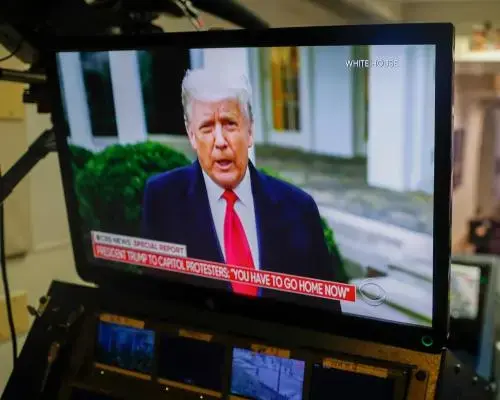 Media Outlets Halt Video Coverage Following White House Access Restrictions
 A Childhood Defined by Constant Fear on Gaza’s Coast
The meeting took place at the Iranian Foreign Ministry, where Naqvi and Pezeshkian discussed bilateral cooperation on counter‑terrorism, border security, and trade. Both officials emphasized the need to strengthen ties amid a backdrop of heightened US scrutiny over Iran’s nuclear program and regional influence. Naqvi also highlighted Pakistan’s concerns about cross‑border militancy and the importance of a coordinated response.
How Will US Pressure Shape the Bilateral Agenda?
In a detailed exchange, the ministers outlined a joint strategy to curb militant infiltration along the Pakistan–Iran border. They agreed to enhance intelligence sharing and coordinate patrols in key districts. Naqvi underscored that Pakistan’s security apparatus has been under pressure from insurgent groups, and he called for Iran’s support in monitoring illegal arms flows. Pezeshkian, in turn, pledged increased surveillance resources and a framework for rapid communication between the two countries’ security agencies.
Both leaders also touched on economic cooperation, noting that improved security could unlock trade opportunities. Naqvi mentioned a potential increase in the flow of agricultural goods and textiles, while Pezeshkian highlighted Iran’s interest in Pakistani energy exports. The discussion suggested a mutual desire to diversify economic ties beyond traditional sectors.
What Are the Implications for Regional Stability?
The timing of the meeting is significant as the United States has intensified sanctions on Iran and is pushing for a new diplomatic framework. Pakistan, which has historically balanced relations with both Tehran and Washington, is navigating a delicate path. The ministers acknowledged that any shift in US policy could impact their cooperation plans. Naqvi expressed confidence that Pakistan would maintain open channels with the US while pursuing regional stability, whereas Pezeshkian stressed Iran’s commitment to a multilateral approach that includes all regional stakeholders.
Both officials agreed that continued dialogue is essential to prevent misunderstandings and to manage the broader geopolitical environment. They also reaffirmed their commitment to upholding international law and respecting each nation’s sovereignty.
Frequently Asked Questions
The meeting signals a cautious but determined effort by Pakistan and Iran to fortify their partnership amid external pressures. By focusing on security and trade, the two countries aim to create a more resilient front against insurgent threats and economic isolation. If the cooperation deepens, it could provide a counterbalance to US influence in the region and offer a platform for broader diplomatic engagement.
However, the effectiveness of this partnership will depend on the ability of both nations to navigate US sanctions and maintain internal political cohesion. The outcome of this dialogue could shape future negotiations on nuclear policy, counter‑terrorism, and regional trade agreements, potentially redefining the geopolitical landscape in South and Central Asia.