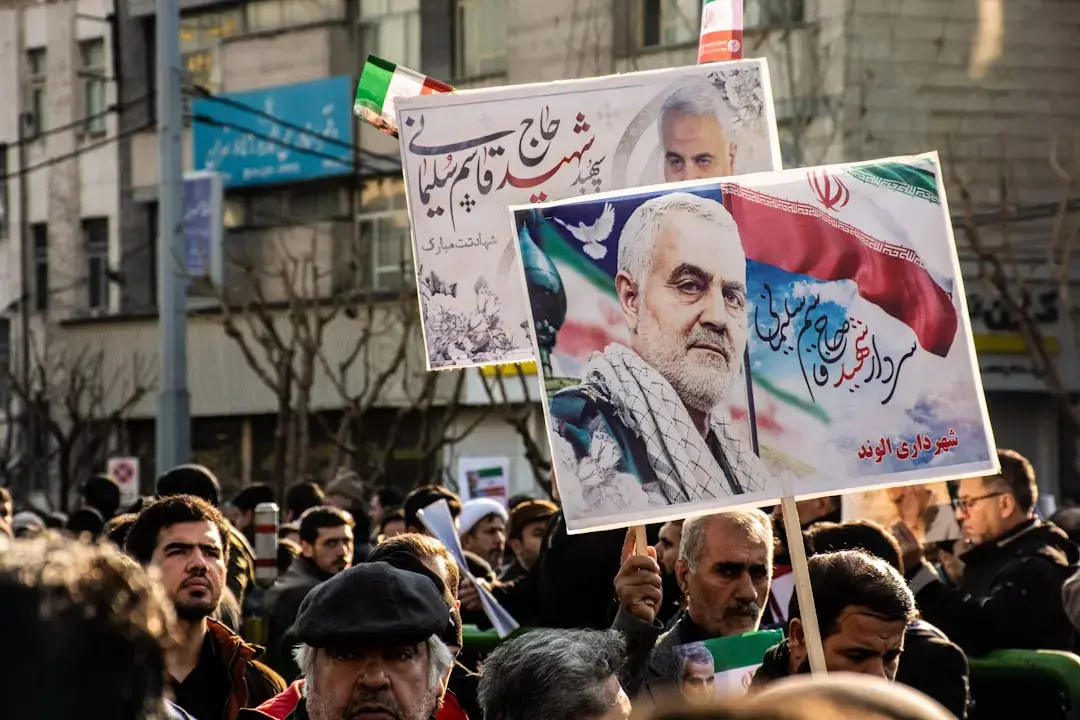
A Stalled Diplomatic Path
President Trump informed Congress that conflict with Iran is not yet resolved. The White House formally stated hostilities have „terminated,” despite ongoing U. S. military presence in the Middle East. Trump expressed dissatisfaction with a recent offer from Tehran. This announcement follows heightened tensions in the region.
Latest news
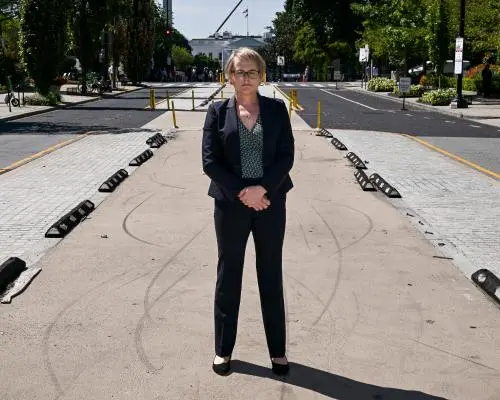 Former CIA Analyst Speaks Out After Being Fired by the Trump Administration
 Women’s Rights Activists Rally in Paris Over Sexual Violence Legislation
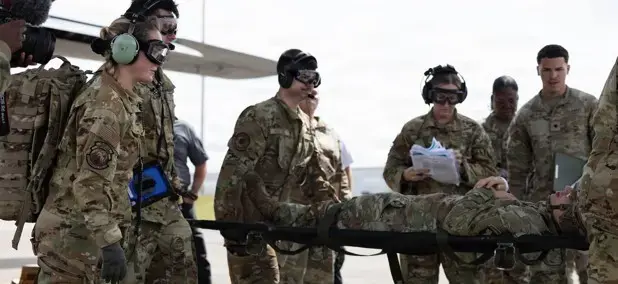 Audit Reveals Critical Flaws in Middle East Medevac Plans
 EU MEP Warns of AI Risks and Calls for Global Treaty Leadership
The administration’s notification to Congress detailed the end of active military hostilities. However, it acknowledged continued U. S. troop deployments. These troops remain to counter Iranian aggression and protect regional allies. The White House indicated Trump found Tehran’s proposal inadequate. It didn’t meet his demands for de-escalation and broader negotiations.
Negotiations between Washington and Tehran have been strained for months. The U. S. withdrew from the 2015 nuclear deal in 2018. It then reimposed sanctions on Iran, crippling its economy. Iran has demanded sanctions relief before engaging in serious talks. The recent offer from Tehran reportedly included some concessions. However, officials say it fell short of addressing U. S. concerns about Iran’s ballistic missile program and regional activities.
Will Tensions Escalate Further?
Trump has repeatedly stated his desire to avoid war with Iran. He has also emphasized the need for Iran to change its behavior. The administration believes Iran’s support for proxy groups in Yemen, Syria, and Lebanon destabilizes the region. The U. S. seeks a comprehensive agreement that addresses these issues.
The current impasse raises questions about the future of U. S.-Iran relations. Some analysts fear that without a breakthrough in negotiations, tensions could escalate. This could lead to further incidents in the Persian Gulf. The U. S. military presence in the region serves as a deterrent. But it also increases the risk of miscalculation and accidental conflict.
Frequently Asked Questions
The administration is likely to continue applying economic pressure on Iran. It may also seek to isolate Iran diplomatically. However, a purely coercive approach could backfire. It could harden Iran’s stance and make a diplomatic solution even more difficult. The situation remains fluid and unpredictable. A return to negotiations appears unlikely in the near term.
What was the core issue with Tehran’s offer? The proposal didn’t fully address U. S. concerns regarding Iran’s ballistic missile development. It also lacked sufficient commitments to curb Iran’s support for regional proxy groups, according to the White House.
Does this mean U. S. troops will remain in the Middle East indefinitely? Yes, the U. S. maintains a significant military presence. This is to deter further Iranian aggression and protect allies. The administration has not announced plans for a troop withdrawal.