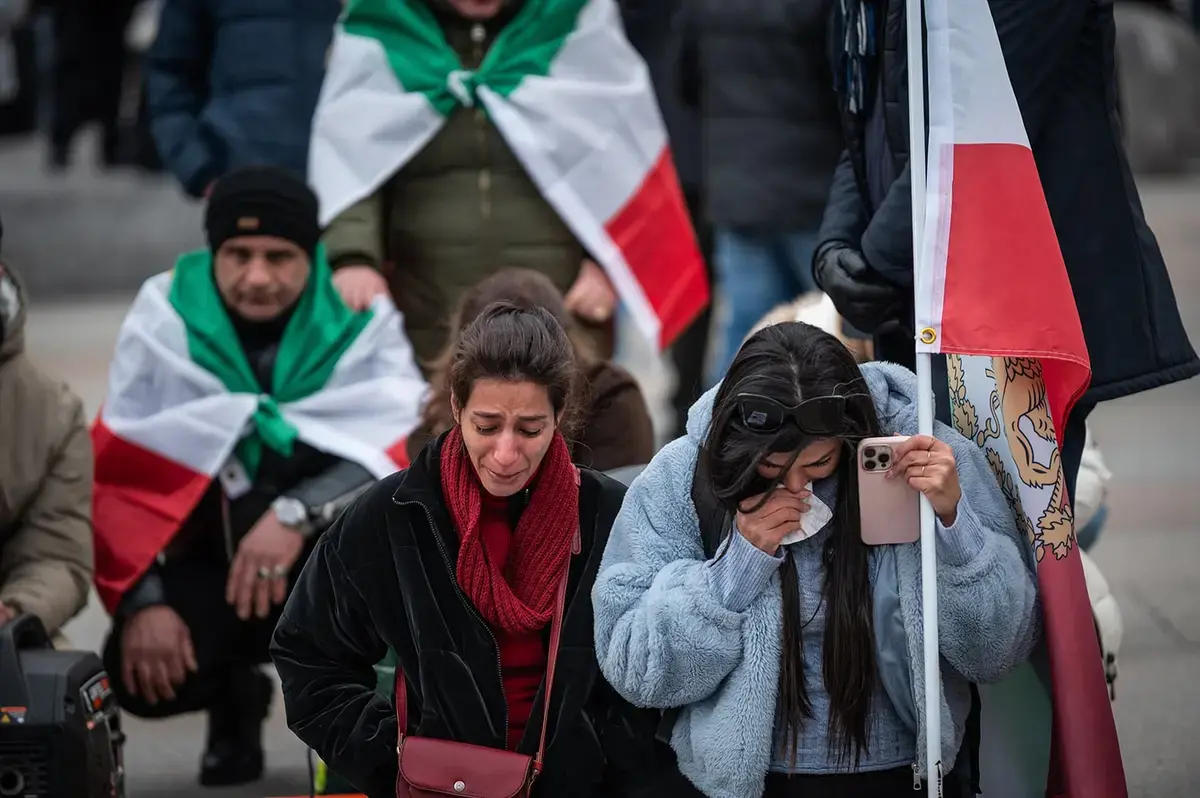
Covert Operations and Legal Pressure
Iranians living in Europe report that Tehran’s security services are intensifying intimidation of opposition figures abroad. The alleged threats have surfaced over the past year, with several high‑profile dissidents claiming surveillance, legal harassment and even kidnapping attempts. European authorities, according to the exiles, have responded with limited public condemnation.
Latest news
 Swedish Voters Choose New Parliament as Left-Wing Coalition Projects to Win Majority
 Trump Announces End of US Tariff on Irish Whisky
 Frances Stonor Saunders, Author of CIA Cultural Espionage Exposé, Dies at 66
 Israel and Lebanon to Hold Security Talks in Rome This October
The wave of pressure follows Iran’s crackdown after the 2022 protests and the subsequent crackdown on journalists, activists and former officials. Intelligence operatives are said to use cyber‑spying, forged travel documents and diplomatic pressure to silence critics. Human‑rights groups warn that the tactics aim to create a climate of fear, discouraging any organized opposition from abroad.
Activists describe a pattern of coordinated actions. One Iranian writer in Berlin reported that his phone was infected with spyware within weeks of publishing a memoir about the regime. In Paris, a former diplomat faced a sudden tax audit after he publicly denounced Iran’s nuclear policy. „They use every legal tool at their disposal to harass us,” said a spokesperson for the Iranian Exile Network.
Are European Governments Ignoring the Threat?
Data from the European Union’s security agency shows a rise in incidents linked to Iranian diplomatic missions. The agency recorded 27 alleged intimidation cases in the last twelve months, up from 12 the year before. Analysts attribute the increase to Tehran’s desire to control the narrative among its diaspora and to prevent coordination of protest movements.
Critics argue that European capitals have treated the warnings as isolated criminal acts rather than a state‑directed campaign. „We have reported threats to the police, but the response has been slow and opaque,” said an Iranian activist in London. Some officials claim they lack concrete evidence to label the actions as foreign‑state aggression.
Nevertheless, several parliaments have begun discussions on tightening sanctions against Iranian officials involved in overseas repression. A German lawmaker announced a proposal to freeze assets of individuals convicted of „extraterritorial intimidation.” While these steps signal growing concern, activists say they need more decisive diplomatic pressure and protective measures for at‑risk exiles.
If the current pattern continues, Iran could further erode the safety of opposition communities across Europe. The lack of a unified response may embolden Tehran to expand its reach, potentially destabilizing democratic societies that host large Iranian diaspora populations. International watchdogs urge coordinated action, warning that unchecked intimidation could silence dissent worldwide.
Frequently Asked Questions
What evidence links Iran to the intimidation of exiles? Human‑rights groups cite digital forensics, intercepted communications and testimonies from victims that point to Iranian intelligence operatives.
How have European governments responded so far? Responses have ranged from private investigations to public statements condemning „any form of intimidation,” but few have pursued formal diplomatic protests or legal action.
What can be done to protect dissidents abroad? Experts recommend stronger asylum protections, dedicated cyber‑security assistance for activists, and coordinated sanctions against officials who orchestrate overseas repression.