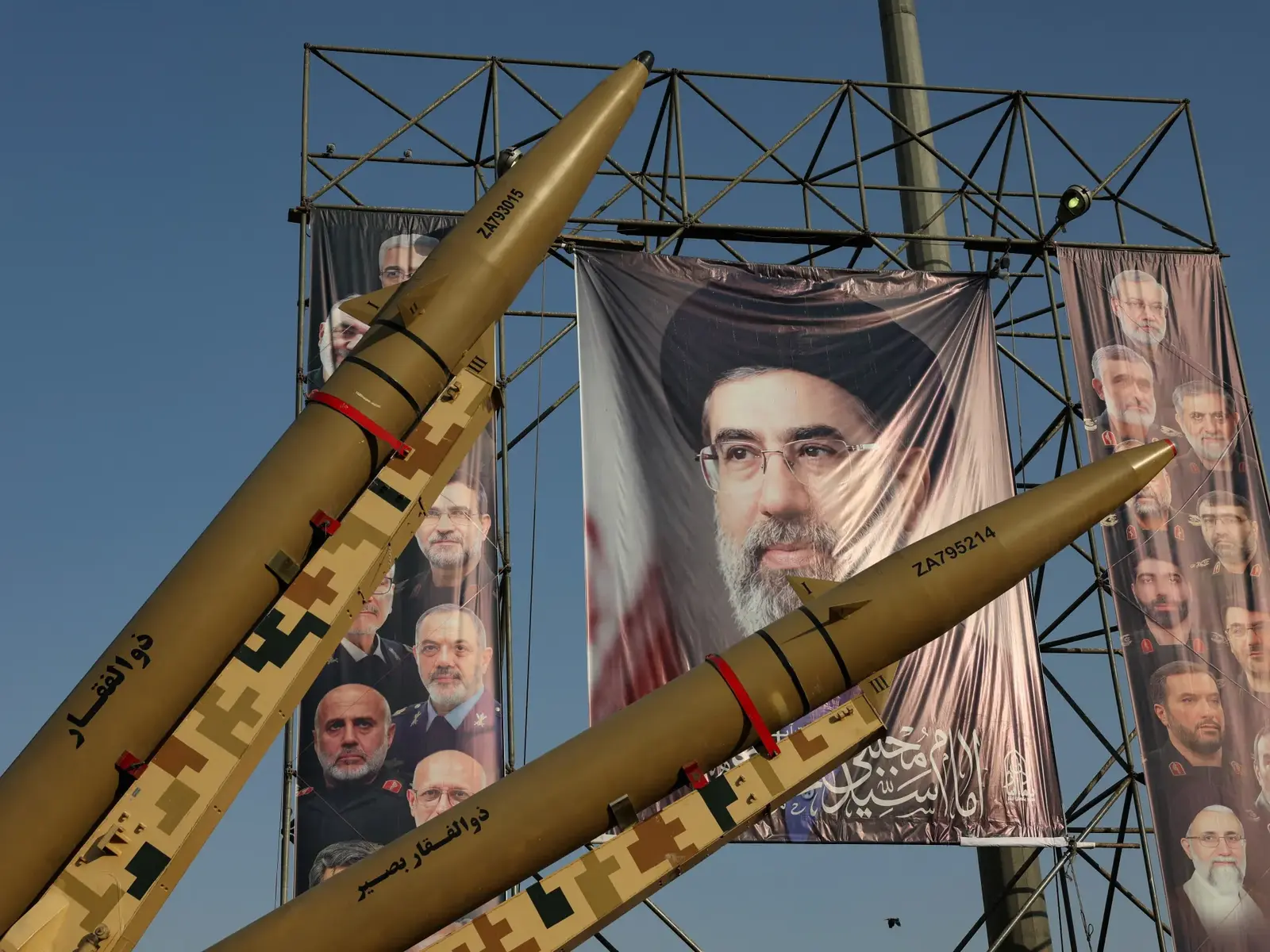
Strategic Posture in the Persian Gulf
Iranian Foreign Minister Abbas Araghchi announced on Wednesday that the nation is fully prepared for a large-scale conflict. This declaration follows the breakdown of diplomatic negotiations regarding the Strait of Hormuz. Washington officially rejected a proposed seven-day roadmap intended to de-escalate regional hostilities and restore maritime traffic through the vital waterway.
Latest news
 European Shares Rise as UK Homebuilders Rally on New Loan Scheme
 Trump Offered to Sell Weapons to China
 Tensions Rise in the Strait of Hormuz as OpenAI Halts Advanced Model Deployment
 Global Bond Yields Set to Rise Amid Washington-Tehran Impasse
The rejection of the peace proposal marks a significant turning point in the ongoing standoff. Tehran had presented the roadmap as a structured path toward ending active combat operations. By dismissing the plan, the United States has effectively signaled a preference for continued pressure over immediate diplomatic concessions. The Strait of Hormuz remains a critical global energy chokepoint, and its closure would have severe economic repercussions.
Tehran’s rhetoric has shifted toward a doomsdayscenario, suggesting that its military forces are braced for a total war. Officials maintain that their defensive capabilities are sufficient to withstand sustained pressure. The current military buildup in the region reflects a deep-seated distrust between the two nations. Both sides appear to be hardening their positions as diplomatic avenues narrow.
International observers are concerned that the lack of a clear exit strategy could lead to miscalculations. The concentration of naval assets near the Strait increases the risk of an accidental skirmish. Any disruption to oil shipments through this corridor would likely trigger a sharp rise in global energy prices. The situation remains volatile as both governments trade warnings through official channels.
Will Diplomatic Channels Remain Open?
The collapse of the seven-day roadmap leaves little room for immediate de-escalation. Analysts suggest that without a new framework for dialogue, the risk of direct confrontation will continue to climb. The international community is now watching to see if third-party mediators can bridge the gap between Tehran and Washington. For now, the focus remains on the high-stakes military posturing occurring along the coast.
Frequently Asked Questions
What was the purpose of the seven-day roadmap? The roadmap was intended to serve as a structured plan to end the current conflict and reopen the Strait of Hormuz to international shipping.
Why did Washington reject the proposal? The United States declined the roadmap, effectively signaling that the terms provided were insufficient or unacceptable for ending the regional standoff.
What is the significance of the Strait of Hormuz? It is a vital maritime chokepoint for global oil supplies. Its closure would severely impact international energy markets and regional stability.