How Is the Financial Burden Being Measured?
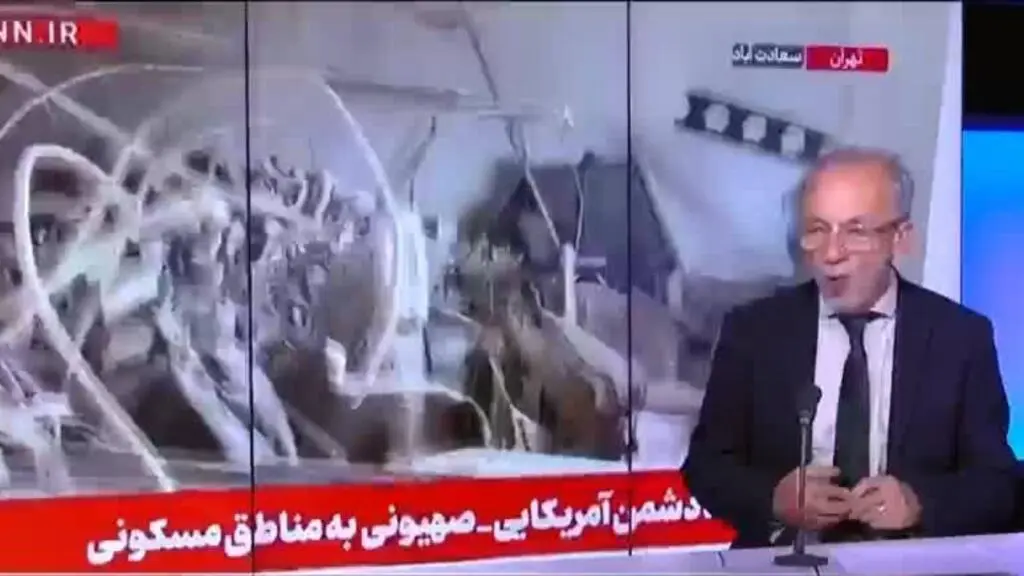
After six months of ongoing conflict, Iran's military leadership has consolidated around a hardline core of generals as the war's financial burden on the United States continues to grow. The prolonged engagement has now cost approximately $1,100 per American taxpayer, according to recent assessments. This figure reflects cumulative spending on military operations, logistical support, and related expenditures tied to the Iran conflict since its escalation half a year ago. The financial toll underscores the deepening commitment of U. S. resources to the region amid sustained hostilities.
Latest news
 Swedish Voters Choose New Parliament as Left-Wing Coalition Projects to Win Majority
 Trump Announces End of US Tariff on Irish Whisky
 Frances Stonor Saunders, Author of CIA Cultural Espionage Exposé, Dies at 66
 Israel and Lebanon to Hold Security Talks in Rome This October
The consolidation of Iran's military leadership around a staunch faction of generals suggests a unified strategic direction in response to prolonged pressure. Analysts note that this internal alignment may complicate diplomatic efforts, as decision-making becomes more centralized within a defense-oriented bloc. Meanwhile, the $1,100 per taxpayer estimate is derived from dividing total war-related outlays by the number of U. S. individuals filing federal taxes, offering a tangible metric for public understanding of the war's economic footprint. Officials have not disclosed the full breakdown of costs, but defense analysts point to expanded naval deployments, intelligence operations, and support for regional partners as key contributors.
The $1,100 figure represents an average allocation per taxpayer based on current war spending estimates and the latest Internal Revenue Service data on tax filers. It does not reflect direct billing but serves as a comparative tool to illustrate the scale of expenditure. Economists caution that such per-capita estimates simplify complex budget allocations but can help contextualize long-term financial commitments. The actual cost continues to rise as the conflict persists without a clear resolution timeline.
The consolidation of power among Iran's hardline generals reduces the likelihood of near-term concessions, as this faction has historically resisted external pressure and favored assertive posturing. Diplomatic channels remain open, but sources indicate that any meaningful dialogue would require significant shifts in Iran's strategic calculus, which currently appears unlikely. Observers warn that prolonged military alignment could increase the risk of miscalculation or escalation, particularly in sensitive zones like the Strait of Hormuz.
What Does the Unified Military Leadership Mean for Future Negotiations?
The ongoing war now presents a dual challenge: managing rising domestic costs in the United States while navigating an increasingly entrenched adversary in Iran. With no ceasefire in sight and military leadership hardened, analysts suggest the conflict may extend well beyond its current six-month mark. Future funding debates in Congress are expected to intensify as the per-taxpayer cost climbs, potentially influencing broader debates over defense priorities and foreign engagement. Frequently Asked Questions How was the $1,100 per taxpayer figure calculated? It was estimated by dividing total war-related expenditures by the number of U. S. individual income tax filers, providing a relatable benchmark for public understanding of defense spending.
Why has Iran's military leadership become more unified? Facing sustained external pressure, Iran's military commanders have aligned around a hardline faction to present a cohesive strategic front, reducing internal dissent on defense and foreign policy matters.
What are the risks of prolonged conflict? Continued hostilities increase financial strain on the U. S., heighten the potential for regional escalation, and complicate diplomatic pathways to de-escalation.