The Long Arm of Teheran
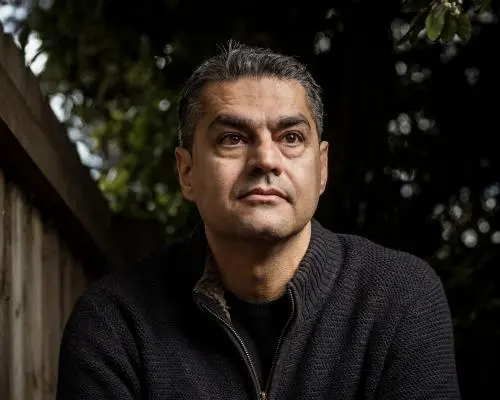
Saeid Zand believed he had found safety in Australia. He thought distance would protect him from the Iranian regime. However, his sister’s panicked voice over a WhatsApp call shattered that illusion. She reported that their mother in Tehran was under intense scrutiny. The Islamic Revolutionary Guard Corps had flagged her for online activity. This incident highlights a growing trend among diaspora communities. They no longer feel secure behind the ocean. The reach of Teheran’s security apparatus extends far beyond its borders.
Latest news
 US Officials Question Bail Decisions Following Security Breach at RAF Fairford
 Eighty-Seven-Year-Old Evicted Tenant Set to Return Home
 Argentina Threatens Legal Action Over Falklands Oil Drilling
 Rights Advocates Condemn Alleged Vietnamese Abductions
The Iranian government actively monitors its citizens abroad. Intelligence agencies track social media posts and private communications. In this specific case, Zand’s mother faced accusations of posting criminalcontent. The IRGC deemed her digital footprint a threat to the state. This is not an isolated event. Many Iranians living in Western nations report similar experiences. They receive threatening messages or notice sudden changes in family dynamics back home. The regime uses fear to silence dissent before it spreads. Families often become the primary targets of this pressure.
How Does Surveillance Affect Exile Life?
The psychological toll on exiles is significant. Zand described the panic in his sister’s voice despite her attempt to hide it. This emotional burden complicates the decision to speak out. Many remain silent to protect relatives still living in Iran. The distance between Sydney and Tehran is over 12,000 kilometers. Yet, the connection remains tight through digital channels. Security forces in Iran use these connections to identify targets. They analyze who is communicating with whom. They assess the risk of public criticism. This creates a constant state of anxiety for those in the diaspora.
The situation has intensified in recent years. As political tensions rise within Iran, the external pressure increases. Activists in Australia and other countries report heightened vigilance. Some have noticed new phone numbers calling from Tehran. Others have received formal warnings from consulates. These actions serve as reminders that exile does not mean immunity. The regime views the diaspora as a potential fifth column. Consequently, they employ aggressive tactics to manage this group.
Frequently Asked Questions
Why does Iran monitor its citizens in Australia? The Iranian state views the diaspora as a key channel for spreading opposition ideas. By monitoring families in Iran, officials can apply pressure on those abroad. This strategy aims to curb public criticism without direct confrontation.
What role does the IRGC play in this process? The Islamic Revolutionary Guard Corps acts as a primary enforcement arm. They identify individuals deemed threats to the regime’s stability. Their involvement signals that the issue is treated as a national security matter rather than just a political one.