Shipping Routes Under the Spotlight
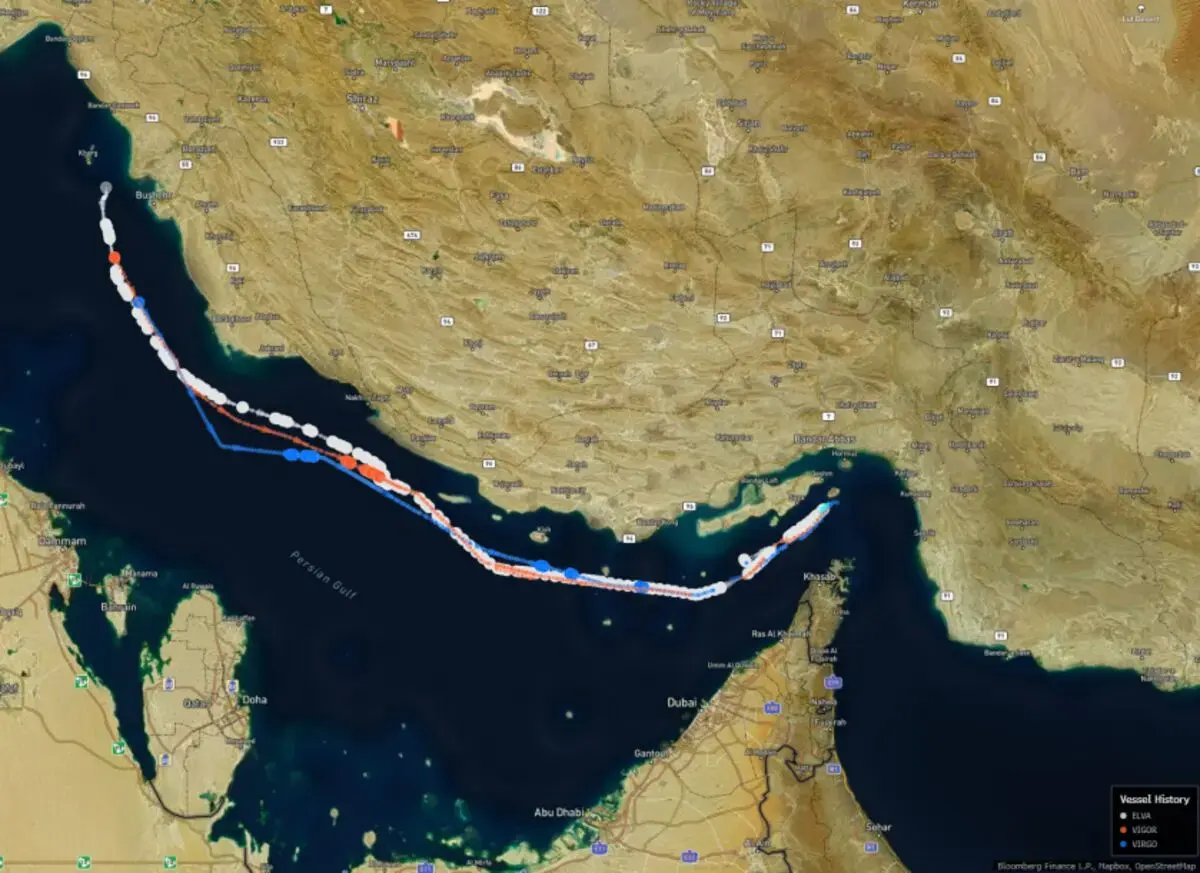
Iran has significantly increased the amount of crude oil it sends through the Strait of Hormuz. The surge comes as more ships transit the strategic waterway, with Iran openly exporting more oil. The country's oil exports have been rising steadily, with the majority being transported through Hormuz.
Latest news
 UN Report Accuses US and Iran of Serious Human Rights Violations
 Canada Eyes EU Associate Membership Under Prime Minister Mark Carney
 Fiji Declares National Emergency Over Rapid HIV Surge
 Israeli Forces Detain Palestinian Journalist in Ramallah Raid
The increased oil exports are being facilitated by a rise in the number of tankers passing through the strait. This development has been observed despite the presence of various sanctions imposed on Iran. The exports are being carried out by Iranian oil tankers, which are being tracked by maritime monitoring agencies.
Can Sanctions Keep Up with Iran's Oil Exports?
The Iranian government's ability to circumvent sanctions has raised concerns among Western nations. The country's oil exports have become a significant source of revenue, allowing it to maintain its economic stability. As the exports continue to rise, the international community is faced with the challenge of enforcing existing sanctions.
Frequently Asked Questions
The continued flow of Iranian oil through Hormuz is likely to have significant implications for the global energy market. As the situation unfolds, the international community will be closely watching the developments.
What is driving Iran's oil exports? Iran's oil exports are being driven by its ability to circumvent sanctions and increase production. How is Iran transporting its oil? The majority of Iran's oil exports are being transported through the Strait of Hormuz on Iranian tankers. What are the implications of Iran's increased oil exports? The increased exports are likely to have significant implications for the global energy market and the effectiveness of international sanctions.