Zurich Negotiations Target a Fragile Cease‑Fire
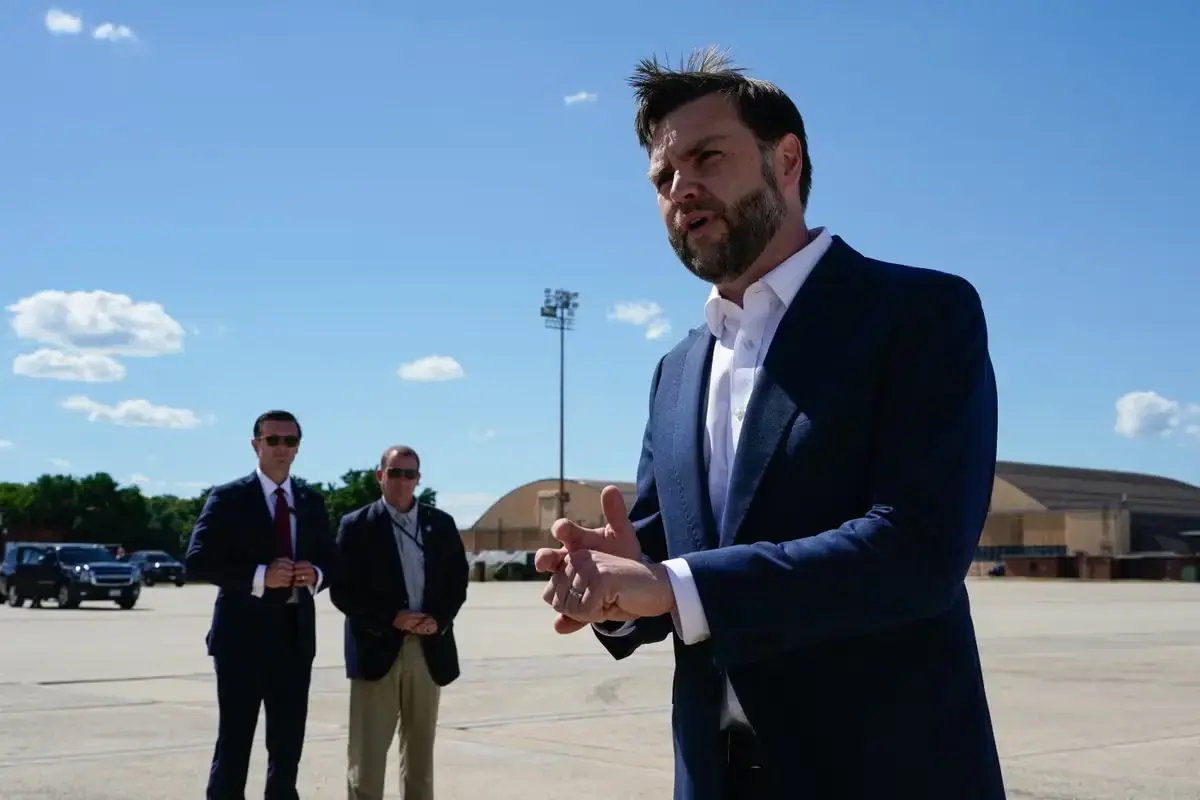
Washington’s top diplomatic envoy, Robert Vance, landed in Zurich on Sunday to begin intensive talks with senior Iranian officials. The meeting follows weeks of open hostilities between Iran and the United States, which have threatened global oil shipments through the strategic Strait of Hormuz. Vance joins a small delegation of U. S. officials tasked with drafting a cease‑fire framework.
Latest news
 Space Security Landscape Deteriorates Rapidly Amid New US Deployments
 Wife of US Scholar Detained in China Urges Trump to Address Case During Summit
 Palestinian Man Dies in Israeli Custody After Year of Administrative Detention
 Sweden's Centre-Left Coalition Wins Election as Right-Wing Bloc Narrowly Defeated
The talks come after Tehran announced it would keep the Hormuz Strait closed until its security demands are met. Iran says the closure is a defensive measure against what it calls „unprovoked aggression.” The United States, meanwhile, insists the strait must reopen to avoid a worldwide energy crisis. Both sides claim to be seeking a diplomatic path, but each accuses the other of bad faith. Vance’s arrival signals Washington’s willingness to negotiate, even as it pressures Iran to lift the blockade.
In a conference room at the Swiss capital, Vance and his counterparts will review a draft peace proposal prepared by U. S. senior advisers. The document outlines steps for a mutual de‑escalation, including the withdrawal of naval forces from the Gulf, the release of detained sailors, and a phased reopening of Hormuz. Iranian negotiators have demanded guarantees that U. S. sanctions on Tehran’s oil exports will be eased once the strait is reopened. Sources say the Iranian team is also pushing for a security guarantee that prevents future U. S. strikes on Iranian facilities. The Swiss government is providing neutral ground and logistical support, hoping to keep the dialogue moving forward.
Will the Strait of Hormuz Remain Closed?
Analysts warn that a prolonged shutdown could cripple global oil markets, pushing prices to record highs. „Every day the strait stays closed adds pressure on economies already strained by inflation,” said a senior energy analyst in Geneva. Iran’s insistence on keeping the waterway blocked reflects its strategy to leverage economic pain against the United States. However, U. S. officials argue that the blockade is illegal under international law and threatens the safety of commercial shipping. The outcome of the Zurich talks will likely determine whether the strait reopens soon or remains a flashpoint for further conflict.
If the negotiations succeed, the immediate effect could be the restoration of oil flow and a reduction in regional military posturing. Failure, on the other hand, may lead to intensified naval confrontations and a broader escalation involving allied nations. Both Washington and Tehran appear aware of the high stakes, and the coming days will test whether diplomatic overtures can outweigh entrenched hostility.
Frequently Asked Questions
Why is the Strait of Hormuz so important? The strait handles about a third of the world’s oil shipments. Closing it disrupts global supply chains and can trigger sharp price spikes.
What are the main demands from Iran in the talks? Iran seeks an end to U. S. sanctions on its oil exports, security guarantees against future attacks, and the release of Iranian prisoners held by the United States.
Can Switzerland guarantee a lasting peace? Switzerland can provide neutral venue and mediation, but lasting peace depends on the willingness of both Tehran and Washington to compromise on core issues.