The Broader Implications of Military Action
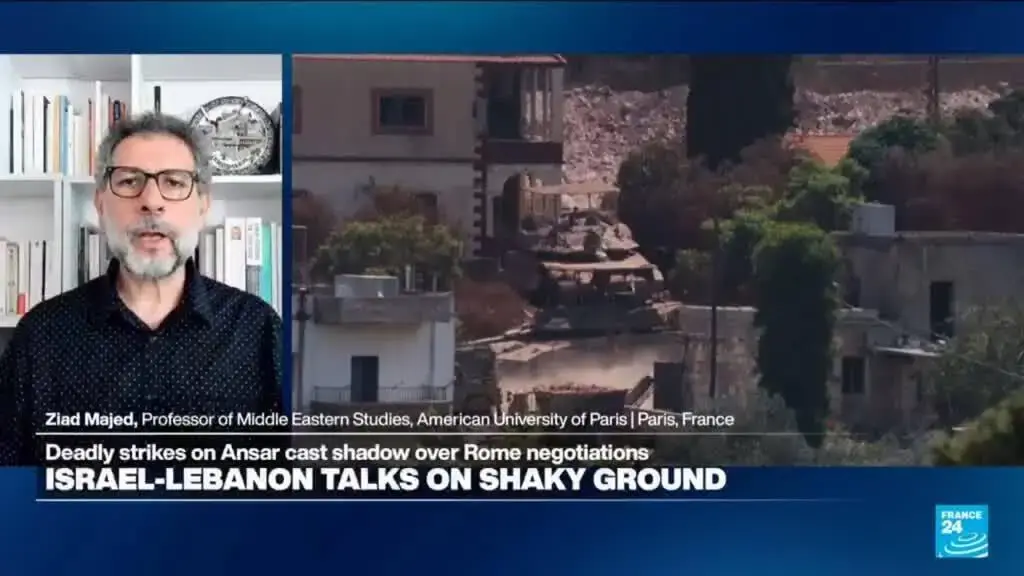
On Saturday, Israeli airstrikes in southern Lebanon resulted in the deaths of 11 individuals. This military action adds to the escalating conflict in the region, raising concerns about the impact on ongoing negotiations between Israel and various Lebanese factions.
Latest news
 Swedish Voters Choose New Parliament as Left-Wing Coalition Projects to Win Majority
 Trump Announces End of US Tariff on Irish Whisky
 Frances Stonor Saunders, Author of CIA Cultural Espionage Exposé, Dies at 66
 Israel and Lebanon to Hold Security Talks in Rome This October
The strikes reportedly targeted areas linked to Hezbollah, a militant group based in Lebanon. This escalation follows a series of confrontations along the Israel-Lebanon border, which have heightened tensions significantly. The Israeli government claims the strikes were necessary to thwart imminent threats from Hezbollah, which it accuses of planning attacks against Israeli forces.
The recent violence complicates diplomatic efforts in the region. Negotiations aimed at establishing a more stable ceasefire have been ongoing, but such military actions can derail progress. Analysts warn that continued strikes may provoke further retaliation from Hezbollah, potentially igniting a larger conflict.
Will This Violence Derail Peace Efforts?
Local residents expressed fear and frustration over the violence. One resident stated, „We just want peace, but every day brings new threats.” The situation remains volatile as both sides brace for possible escalations.
The question now is whether these strikes will hinder or accelerate negotiations. Some experts believe that increased military pressure may push Hezbollah to the negotiating table, while others argue it could lead to a cycle of retaliation. The international community is closely monitoring the situation, urging restraint from both sides.
In the wake of these events, the outlook remains uncertain. If military actions continue, they could undermine any potential for dialogue and exacerbate the humanitarian crisis in the region.
Frequently Asked Questions
What triggered the recent Israeli airstrikes in southern Lebanon? The airstrikes were a response to perceived threats from Hezbollah, which Israel claims was planning attacks against its forces.
How might this affect negotiations between Israel and Lebanon? The ongoing military actions could complicate diplomatic efforts and lead to further violence, making it difficult to reach a peaceful resolution.
What are the potential consequences of continued conflict in the region? A prolonged conflict could result in significant humanitarian crises, increased casualties, and wider regional instability.