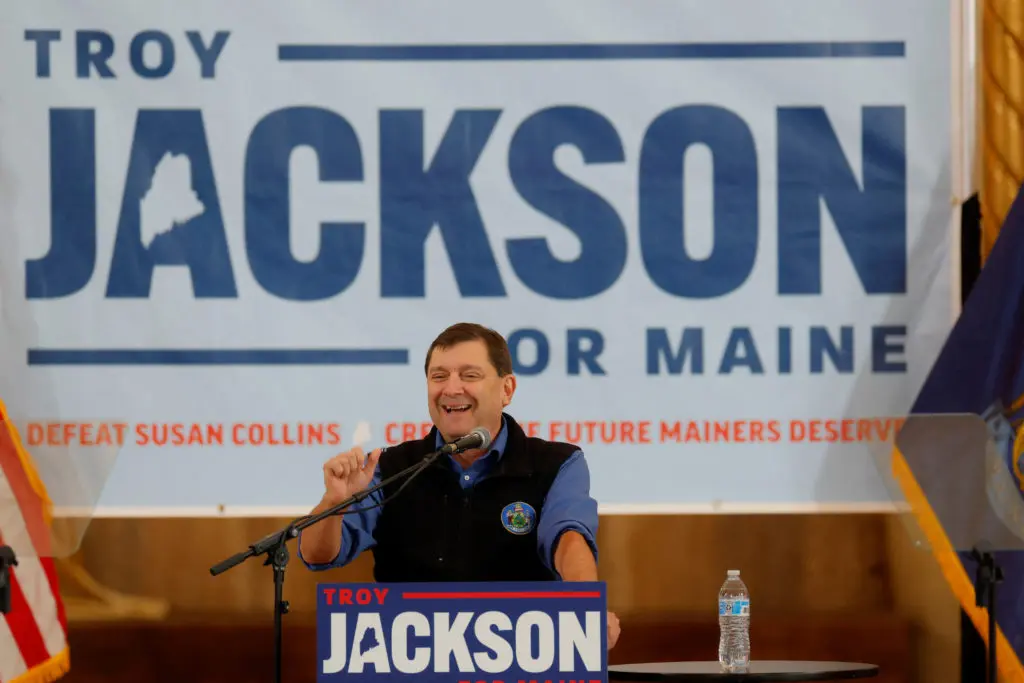
The Stakes of a Senate Seat
In a highly anticipated debate on the Senate floor, Republican Senator Susan Collins and her Democratic challenger Troy Jackson faced off on October 15, 2026. The event, streamed live from Washington, D. C., marked the culmination of a campaign that has drawn national attention to Maine’s political future.
Latest news
 US Steel Prices Surge to Four‑Year Peak Amid Trump Tariffs
 Wall Street's AI spending spree faces growing skepticism
 Geothermal Energy Gains Rare Bipartisan Support Amid AI-Driven Power Surge
 AI Sovereignty: Europe’s Bid to Catch Up with U.S. and China
The debate opened at 4:45 p.m. Eastern, with the chamber filled with reporters, campaign staff, and a small audience of local constituents. Collins, a long‑time incumbent, emphasized her record on fiscal responsibility and bipartisan cooperation. Jackson, a former state legislator, criticized Collins for what he described as a lack of progress on climate policy and healthcare access. The moderators, appointed by the Senate Ethics Committee, guided the discussion through a series of prepared questions and audience inquiries.
Maine’s open Senate seat has become a barometer for the national political climate. Collins, who has served since 2013, has maintained a moderate reputation, often breaking with her party on key votes. Jackson, meanwhile, ran a grassroots campaign that highlighted economic disparities and environmental concerns. The debate’s outcome could influence the balance of power in the Senate, especially as the chamber approaches a 50‑50 split.
How Will Voters Respond?
During the exchange, Collins defended her support for the Bipartisan Budget Act, citing job growth and infrastructure investments. Jackson countered that the act favored corporate interests over small businesses. He cited a 12% increase in unemployment in rural Maine districts as evidence of the policy’s shortcomings. Both candidates referenced recent data from the U. S. Census Bureau, though their interpretations diverged sharply.
The debate’s tone was charged, with both senators exchanging sharp remarks. Collins accused Jackson of „political grandstanding,” while Jackson accused Collins of „political complacency.” The moderators attempted to keep the conversation focused, but the exchange became a showcase of contrasting visions for Maine’s future.
Polls released after the debate show a narrow lead for Jackson among undecided voters, but Collins retains strong support among moderate Republicans and some independents. Analysts suggest that the debate’s impact will be felt most in the upcoming primary season, as party members weigh the candidates’ performances.
The Debate’s Legacy
In the weeks ahead, campaign strategies will shift toward addressing the issues raised during the debate. Collins’ campaign is likely to double down on her record of bipartisan achievements, while Jackson’s team will emphasize his commitment to climate action and healthcare reform. The debate also highlighted the growing importance of live-streamed political events in shaping public perception.
The outcome of the Senate race will be decided on November 6, with both candidates expected to intensify outreach efforts in the final days. The debate set the tone for a campaign that may redefine Maine’s political alignment and influence national policy discussions.
Frequently Asked Questions
What was the main issue discussed in the debate? The debate centered on economic policy, climate change, and healthcare, with Collins defending her fiscal record and Jackson criticizing her perceived lack of progress on these fronts.
How did the debate affect the candidates’ polling numbers? Jackson gained a slight advantage among undecided voters, while Collins maintained solid support among moderates, indicating a potential shift in voter sentiment.
What are the next steps for both campaigns? Both campaigns will focus on targeted outreach, emphasizing their respective strengths: Collins on bipartisan achievements and Jackson on environmental and healthcare reforms.