
The department also encouraged enrollment in the Smart Traveler Program for
The US State Department has issued a cautionary alert to American citizens currently residing or traveling in the Middle East, stating that the security situation remains complex and could deteriorate without warning. The advisory, released amid rising regional tensions, urges heightened vigilance and preparedness for sudden changes in the environment. Officials emphasized that while no specific threats were named, the potential for rapid escalation necessitates proactive safety measures. The warning comes as diplomatic and military activities across several Middle Eastern nations have intensified, contributing to an unpredictable atmosphere. The State Department noted that local conditions can shift quickly due to political developments, protests, or military actions, even in areas previously considered stable. Americans are advised to monitor official channels, avoid large gatherings, and maintain emergency plans, including access to passports and funds.
Latest news
 Australia Seeks Tech Giant Help to Bolster Online Safety and AI Rules
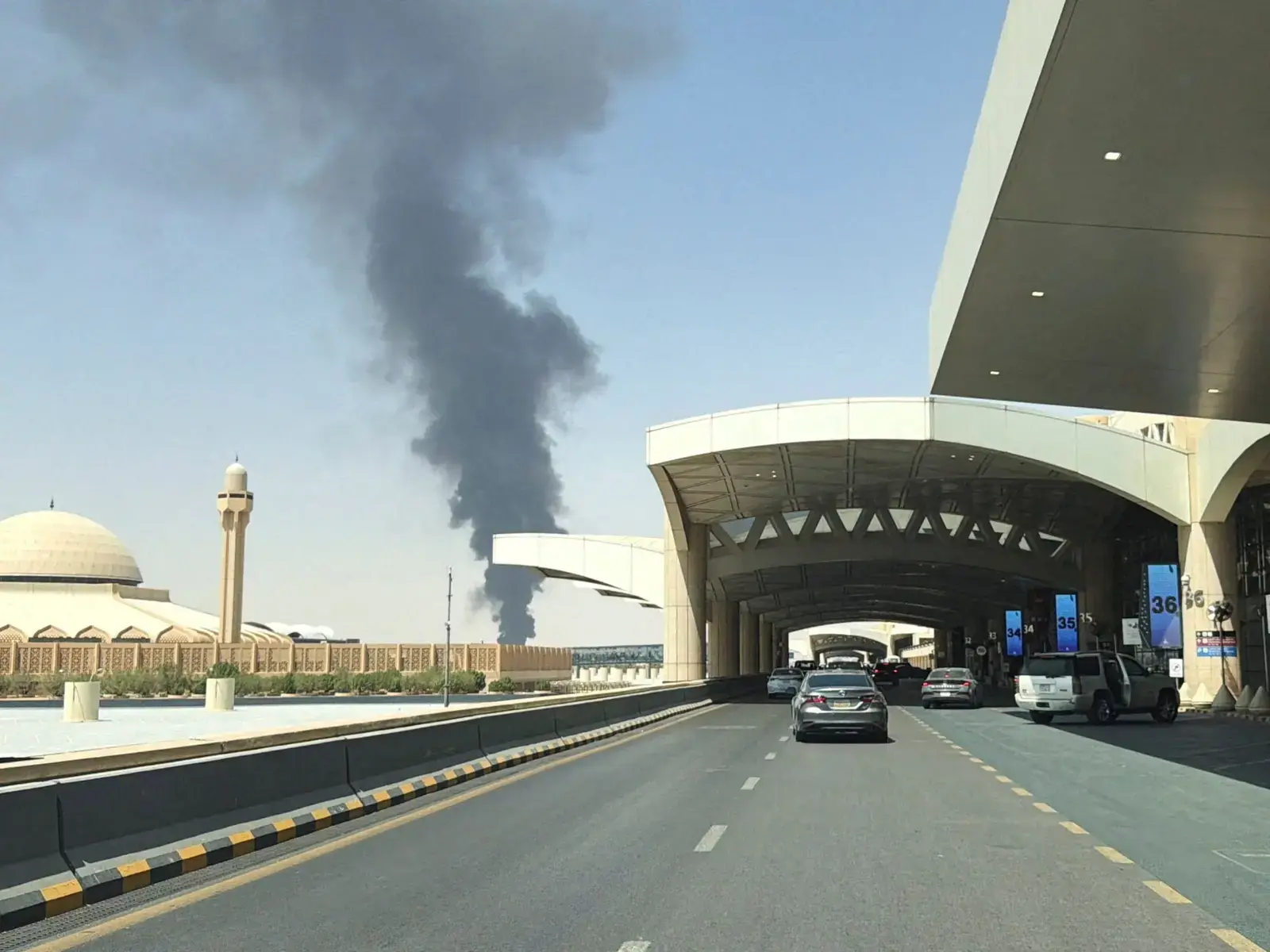 Iran Sets Seven Conditions for US Talks as Saudi Forces Thwart Riyadh Attack
 Former Syrian General Arrested Over Civil War Operations
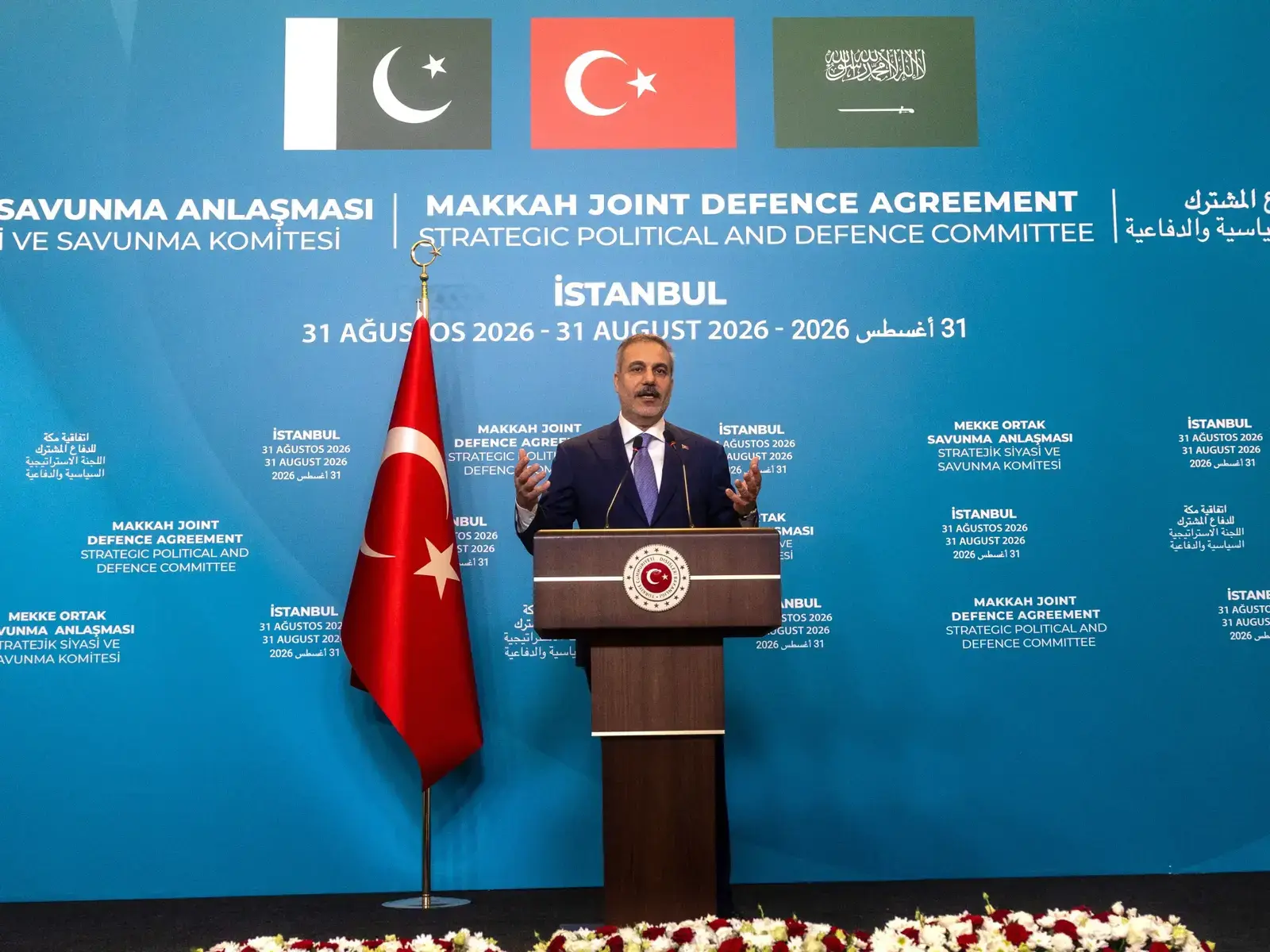 Turkiye pledges military support to Riyadh as Houthi threats rise
The department also encouraged enrollment in the Smart Traveler Program for real-time updates. How Are Citizens Advised to Prepare for Sudden Changes? Officials recommend that Americans review their personal security plans, keep travel documents accessible, and stay informed through embassy communications. The advisory stresses the importance of situational awareness, particularly in urban centers and near government facilities. Citizens are told to avoid unnecessary movement during periods of unrest and to follow instructions from local authorities and US diplomatic posts. Consular officers remain available to assist, though response times may vary during crises. What Factors Are Driving the Increased Alert Level? The State Department cited a combination of regional rivalries, internal instability in certain countries, and the presence of armed groups as underlying contributors to the volatile climate. While no single event triggered the warning, cumulative pressures have raised concerns about miscalculation or accidental escalation.
Analysts note that external influences, including foreign military posturing and economic stressors, further complicate the outlook. The advisory does not prohibit travel but urges extreme caution and readiness to depart if conditions worsen. Frequently Asked Questions Is it safe for Americans to travel to the Middle East right now? The State Department does not ban travel but urges citizens to exercise increased caution due to the potential for rapid escalation in security conditions. Travelers should assess risks carefully and have contingency plans. How can citizens receive real-time updates during a crisis? Americans are encouraged to enroll in the Smart Traveler Program (STEP) to receive alerts and make it easier for embassies to locate and assist them in emergencies. Should citizens leave the region immediately? The advisory does not mandate evacuation but stresses preparedness to depart quickly if situations deteriorate. Individuals should monitor local conditions and follow official guidance.