
Vessel Allegedly Violated Maritime Protocols Before Blast
Iran's Islamic Revolutionary Guard Corps reported that a crude oil supertanker struck a mine in the Strait of Hormuz earlier today, causing a massive explosion. The vessel was attempting to exit the waterway when the incident occurred, according to the IRGC, which accused the ship of taking an unauthorized route and disabling its navigation systems. The semi-official Tasnim news agency carried the initial report, though details about the tanker's flag, ownership, or cargo remain unconfirmed. No casualties have been reported so far, but the blast raised immediate concerns about maritime safety in one of the world's most critical oil chokepoints.
Latest news
 Polish Authorities Investigate Threat Against Prime Minister
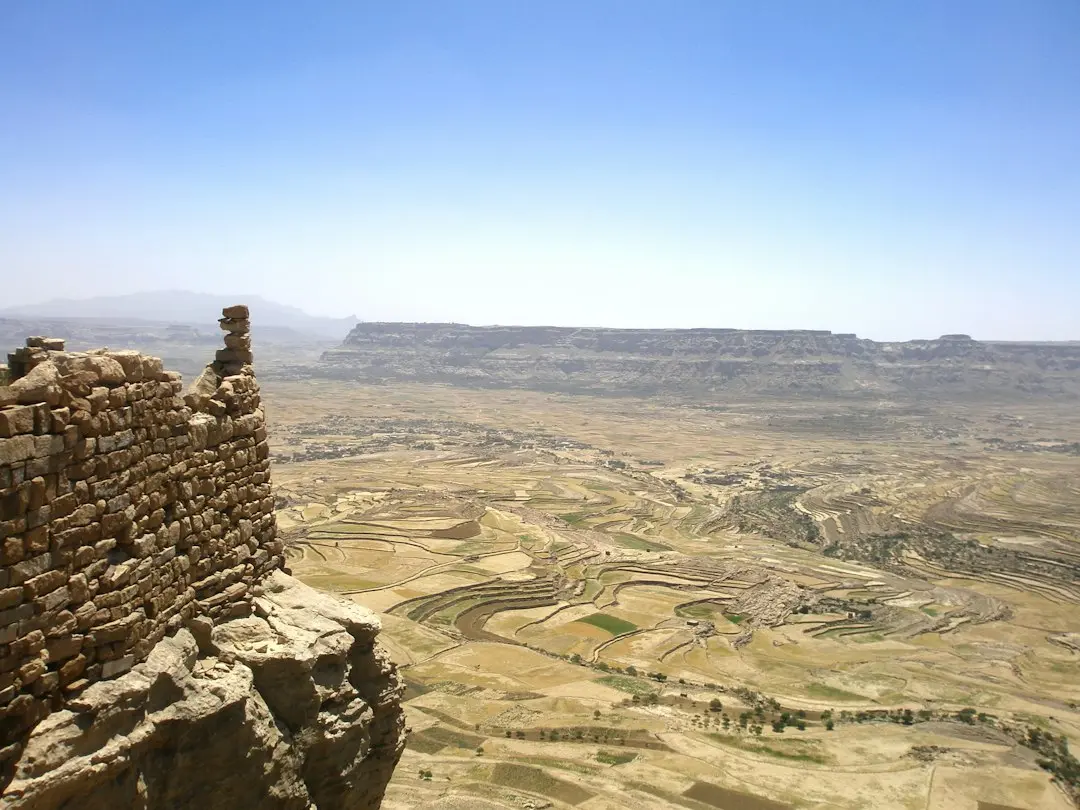 Airstrikes reported at Sanaa International Airport in Yemen
 Factory Workers Turn Against Republicans Over Tariff Job Losses
 Brazilian President Lula Accuses Meta of Election Interference
The IRGC claimed the supertanker had deviated from established shipping lanes and turned off its automatic identification system as it approached the strait's exit point. Such actions, the guard corps said, violate international maritime regulations designed to prevent collisions and ensure transparency in congested waters. Iranian authorities routinely monitor vessel movements in the Strait of Hormuz, where tensions have flared periodically over accusations of sabotage and illicit smuggling. The guard did not specify whether the mine was drifting or anchored, nor did it provide evidence to support its allegations about the tanker's conduct. Independent verification of the incident remains pending as international maritime agencies assess the situation.
Who Benefits From Escalation in the Strait?
Heightened tensions in the Strait of Hormuz often trigger speculation about geopolitical motives behind maritime incidents. Analysts note that any disruption to oil flows through the chokepoint—through which about 20% of global petroleum supplies pass—can influence energy markets and regional power dynamics. While Iran has previously accused foreign powers of planting mines to frame its forces, it has also faced allegations of using naval mines to deter adversaries. The lack of transparent information from all parties complicates efforts to determine intent or responsibility. Regional stakeholders, including Saudi Arabia and the United States, have increased naval patrols in recent months amid fears of further escalation.
What caused the explosion aboard the supertanker? According to Iran's Islamic Revolutionary Guard Corps, the blast resulted from the vessel striking a mine while attempting to exit the Strait of Hormuz after disabling its navigation systems and taking an unauthorized route.
Frequently Asked Questions
Is there confirmation of injuries or environmental damage? No official reports have confirmed casualties or oil spills resulting from the incident. Both Iranian authorities and international maritime watchdogs are still assessing the situation for potential humanitarian or ecological impacts.
Why is the Strait of Hormuz significant in global energy trade? The strait serves as a vital conduit for approximately one-fifth of the world's seaborne oil exports, making any disruption a potential trigger for volatility in global energy markets and regional security concerns.