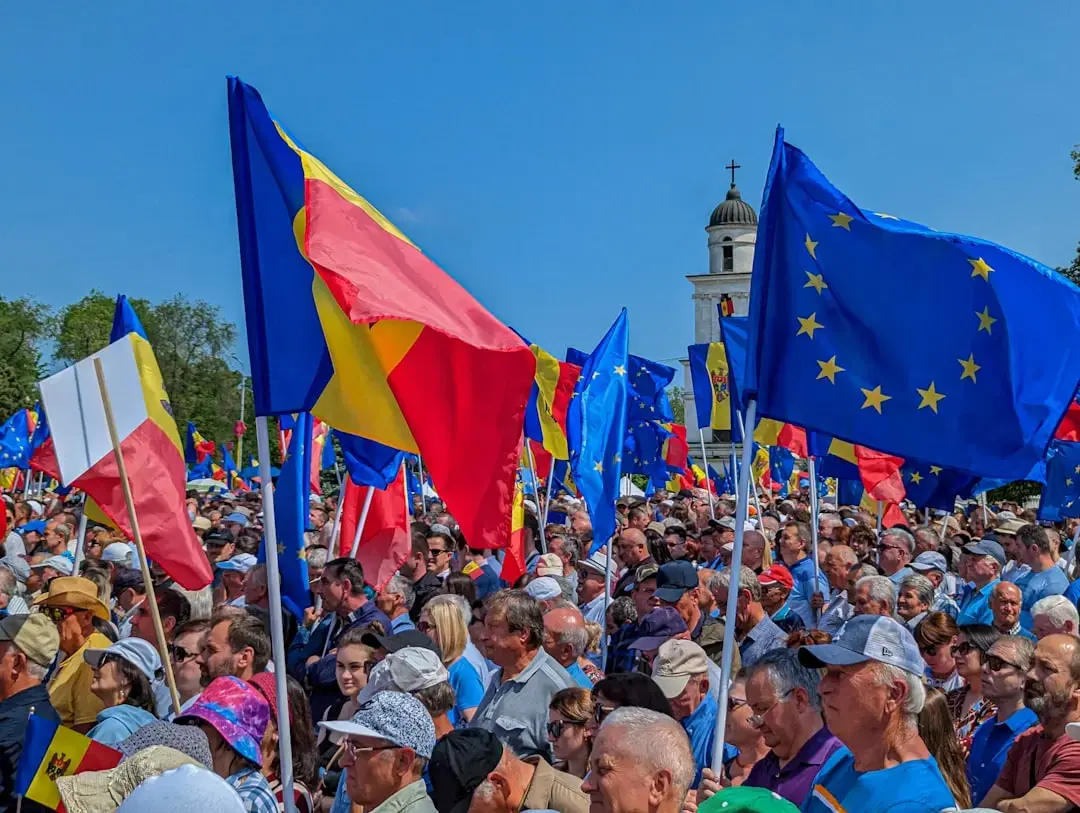
A Fresh Face in a Pivotal Role
Moldova has a new prime minister, Vasile Tofan. He steps into office inheriting a clear mandate. His main task is to continue the nation's push towards European Union membership. This move signifies a continued pivot away from Russian influence.
Latest news
 Swedish Voters Choose New Parliament as Left-Wing Coalition Projects to Win Majority
 Trump Announces End of US Tariff on Irish Whisky
 Frances Stonor Saunders, Author of CIA Cultural Espionage Exposé, Dies at 66
 Israel and Lebanon to Hold Security Talks in Rome This October
Tofan, a relative newcomer to the political scene, takes the helm at a crucial time. His appointment reinforces Moldova's commitment to its pro-Western trajectory. The previous administration laid the groundwork for closer ties with Europe. Tofan is expected to build upon these efforts.
What Challenges Lie Ahead for Moldova's EU Ambitions?
The country has been actively seeking to align itself with EU standards. This includes reforms in various sectors. The goal is to strengthen democracy and the rule of law. Such steps are vital for any nation aspiring to join the European bloc.
The path to EU membership is often long and complex. Moldova faces significant challenges, including economic reforms and combating corruption. There is also the delicate geopolitical balancing act. The nation shares a border with Ukraine and has historical ties to Russia.
Tofan's leadership will be tested by these internal and external pressures. His ability to navigate these complexities will be key. Success in these areas is crucial for maintaining momentum towards EU integration. The new prime minister's performance will shape Moldova's future direction.
Frequently Asked Questions
What is the new prime minister's primary goal? Vasile Tofan's main objective is to advance Moldova's application for European Union membership. He is tasked with continuing the country's pro-Western foreign policy.
Why is Moldova seeking EU membership? Moldova is pursuing EU membership to strengthen its democracy, economy, and rule of law. This move also represents a strategic shift away from Russian influence and towards closer ties with Western Europe.