The Mechanics of Undersea Threats
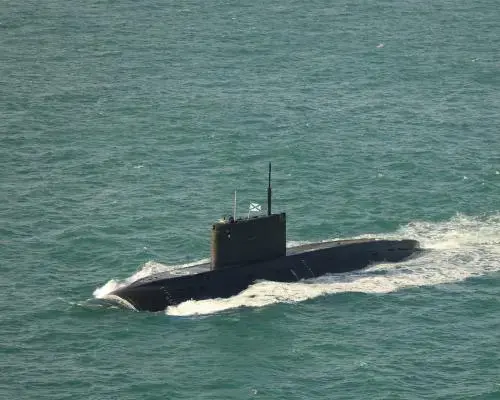
NATO naval units recently intercepted and forced Russian vessels to withdraw from Arctic waters near the Svalbard archipelago. The confrontation occurred after Western intelligence identified a covert exercise aimed at testing sabotage capabilities against critical undersea infrastructure. This incident highlights growing tensions in the high north, where strategic assets are increasingly vulnerable to stealthy maritime threats.
Latest news
 Swedish Voters Choose New Parliament as Left-Wing Coalition Projects to Win Majority
 Trump Announces End of US Tariff on Irish Whisky
 Frances Stonor Saunders, Author of CIA Cultural Espionage Exposé, Dies at 66
 Israel and Lebanon to Hold Security Talks in Rome This October
Western officials confirmed that the Russian ships were conducting a specialized training mission. Their objective was to practice attacking undersea cables using a secret weapon system. The technology involves deploying submersible craft capable of reaching the seabed. These autonomous or semi-autonomous vehicles can target fiber-optic links and power cables. The operation represents a significant escalation in non-kinetic warfare tactics.
Why Svalbard Matters to Naval Strategy
The specific technology used in the drill remains largely classified. Sources involved in the briefing declined to explain exactly how the sabotage device functions. However, experts suggest it likely involves cutting or damaging cables to disrupt data flow. Undersea cables carry a vast majority of global internet traffic. They also transmit financial data between continents. A successful strike could cause significant economic disruption. It might also delay military communications during a crisis. The use of submersibles allows for a low-profile approach. These vessels can operate quietly beneath the surface. They reduce the risk of detection by traditional radar systems. This makes them ideal for surprise operations in contested waters.
Svalbard is a remote Norwegian archipelago located midway between Norway and the North Pole. Its strategic location makes it a key point for monitoring Arctic activity. The islands serve as a gateway to the Arctic Ocean. Control over this region offers advantages in both resource extraction and military positioning. The recent encounter underscores the importance of this area. NATO forces maintained a watchful presence throughout the exercise. They ensured the Russian fleet did not cross certain boundaries. The withdrawal of the Russian ships marked the end of the specific drill. However, the broader implications remain significant for regional security planning.
Where did the confrontation take place? The incident occurred in Arctic waters near the Svalbard archipelago. This remote region is strategically important for monitoring maritime traffic.
Frequently Asked Questions
What was the goal of the Russian exercise? Russian forces trained to attack undersea cables using submersible craft. The aim was to test new sabotage technologies against critical infrastructure.
How did NATO respond to the drill? NATO naval forces tracked the Russian vessels and forced them to withdraw. This action effectively ended the specific training session in the area.