Why Nepal’s Flood‑Control Plans Remained Unfinished
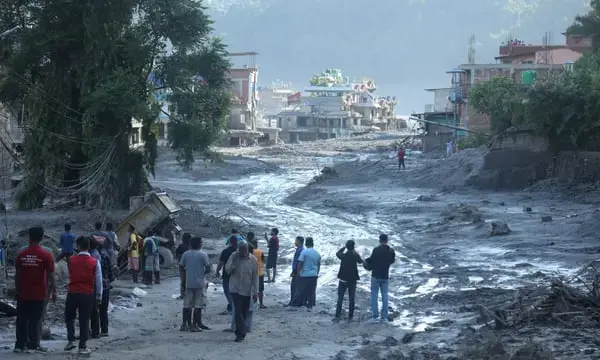
A catastrophic flood on the Bhotekoshi River in Nuwakot, Nepal, on 28 August 2026, caused a surge of casualties. Local officials and residents point to the country’s failure to enforce flood‑control measures as the main reason for the high death toll. While the disaster sparked international concern, experts argue that the tragedy was not caused by external factors such as China’s policies or a lack of data. Instead, the root problem lies in Nepal’s inadequate follow‑up on existing flood‑management plans. Despite earlier warnings, the government did not implement necessary infrastructure upgrades or community‑based warning systems, leaving thousands exposed.
Latest news
 Space Security Landscape Deteriorates Rapidly Amid New US Deployments
 Wife of US Scholar Detained in China Urges Trump to Address Case During Summit
 Palestinian Man Dies in Israeli Custody After Year of Administrative Detention
 Sweden's Centre-Left Coalition Wins Election as Right-Wing Bloc Narrowly Defeated
The government had drafted a comprehensive flood‑management strategy in 2018, but funding gaps and bureaucratic delays stalled its execution. Local authorities were unable to complete embankments or install early‑warning sirens along the Bhotekoshi corridor. When heavy monsoon rains hit, the river breached its banks, sweeping villages away. A spokesperson for the Ministry of Water Resources admitted that „budget reallocations and shifting priorities” prevented timely completion of critical projects.
How Could Better Monitoring Have Saved Lives?
Community leaders in Nuwakot described the aftermath as „a nightmare.” One resident, who lost his home, said, „We were told the embankments would be ready by spring, but nothing changed.” The lack of enforcement meant that even when temporary barriers were erected, they were poorly maintained and could not withstand the flood’s force.
What Are the Long‑Term Consequences for Nepal’s Rural Communities?
If Nepal had adopted a robust monitoring system, officials could have detected rising water levels earlier. Satellite imagery and river gauge data, which were available, were not integrated into a real‑time alert network. As a result, evacuation orders were delayed. The National Disaster Management Authority (NDMA) now acknowledges that „real‑time data sharing is essential” and plans to establish a central dashboard within the next year.
Frequently Asked Questions
International experts suggest that a combination of improved drainage, reinforced embankments, and community training could reduce future casualties. The World Bank has pledged technical assistance, but Nepal must prioritize implementation. The NDMA’s new directive calls for local councils to conduct quarterly inspections and report findings to a national database.
The flood has devastated agriculture, with rice paddies and orchards submerged. Many families now face food insecurity and loss of income. Reconstruction will take years, and without proper flood‑control measures, the region remains vulnerable to future monsoon surges. The government’s failure to act has eroded public trust, prompting calls for political accountability. If reforms are not enacted swiftly, Nepal risks repeating the same tragedy in the coming decades.