What Motivates Erdogan’s Involvement in Syrian Affairs?
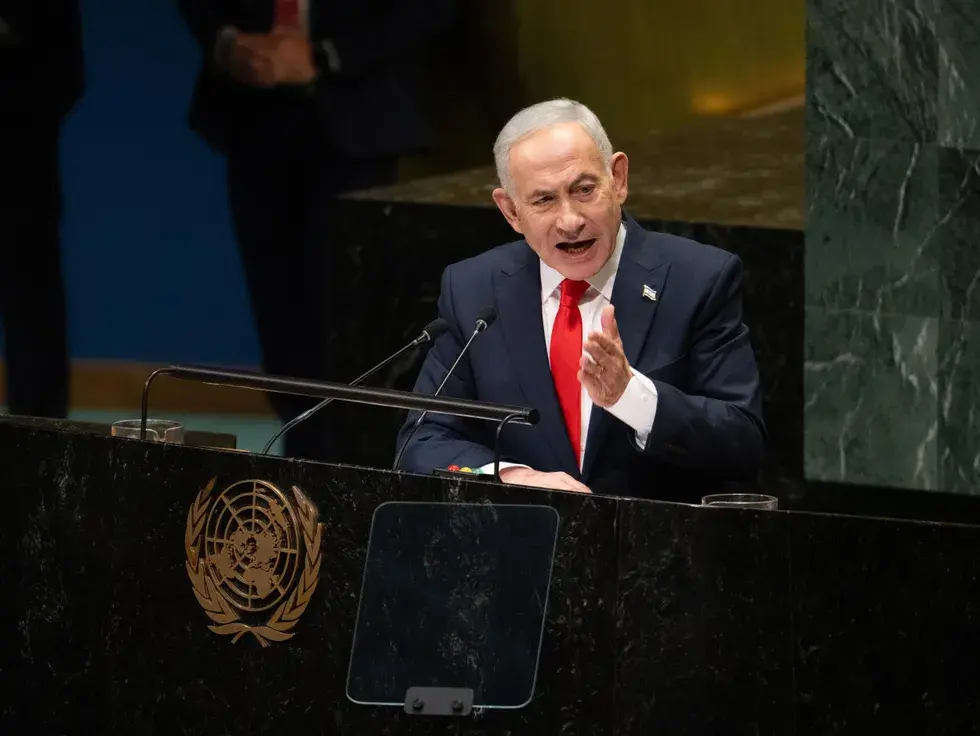
During a speech at the United Nations last week, Israeli Prime Minister Benjamin Netanyahu sharply criticized Turkish President Recep Tayyip Erdogan, labeling him a tyrant and accusing him of seeking to take control of Syria. Netanyahu claimed Erdogan’s ambitions in Syria are unsurprising given his frequent calls for Israel’s destruction. The remarks were delivered amid rising tensions between Israel and Turkey over regional influence and security concerns in the Levant.
Latest news
 Male Birth Control Pill Nears Reality After Long Wait
 UK 30-Year Government Bond Yields Surge to 6%, Highest Since 1998
 Sanaa Takaichi Tightens Rules for Foreigners Seeking Japanese Permanent Residency
 European Union Issues Warning on Drug Price Agreements
Netanyahu’s comments reflect longstanding friction between the two leaders, rooted in competing visions for Middle Eastern stability. Turkey has maintained a military presence in northern Syria since 2016, citing security needs against Kurdish groups it designates as terrorist organizations. Israel views these operations with suspicion, fearing they could empower hostile forces near its borders. Erdogan, meanwhile, has repeatedly condemned Israel’s policies toward Palestinians, further straining diplomatic ties. Netanyahu framed Erdogan’s rhetoric as part of a broader pattern of hostility, suggesting Ankara’s actions in Syria serve both strategic and ideological goals aimed at undermining Israel.
How Does Israel Perceive the Turkish Presence in Syria?
Erdogan’s engagement in Syria stems from Ankara’s desire to prevent the establishment of autonomous Kurdish regions along its southern border, which it links to the PKK insurgency inside Turkey. Turkish military interventions, including Operations Euphrates Shield and Peace Spring, have aimed to create a buffer zone controlled by Syrian opposition groups aligned with Ankara. Critics argue these moves also expand Turkey’s political influence in postwar Syria. Netanyahu suggested that beyond security concerns, Erdogan uses anti-Israel rhetoric to bolster domestic support, portraying himself as a defender of Palestinian causes while advancing territorial ambitions.
Israel regards Turkish military activity in Syria as a potential threat to its northern security, particularly if it leads to the entrenchment of Iran-backed groups or hostile militias near the Golan Heights. While Israel has not directly confronted Turkish forces, it has conducted numerous airstrikes in Syria targeting Iranian weapons transfers, sometimes operating in proximity to Turkish zones of influence. Israeli officials worry that Ankara’s growing role could complicate efforts to contain Iranian influence and limit Israel’s freedom of action. Netanyahu’s UN address sought to highlight what he described as a dual threat: Erdogan’s alleged expansionism and his consistent hostility toward the Jewish state.
Why did Netanyahu call Erdogan a tyrant? Netanyahu used the term to condemn Erdogan’s authoritarian governance style and his repeated public calls for Israel’s destruction, framing them as incompatible with international norms.
Frequently Asked Questions
Is Turkey officially seeking to annex Syria? No, Turkey has not declared intentions to annex Syrian territory, but it maintains military control over parts of northern Syria through allied local forces and cites security justifications for its presence.
Could Israel and Turkey escalate to direct conflict? While tensions remain high, both countries have avoided direct military confrontation so far, preferring to manage disputes through diplomatic channels and indirect actions in Syria.