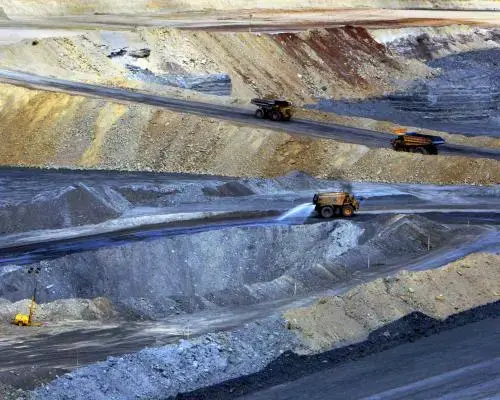
Eroding Public Oversight in Resource Management
Proposed laws in Queensland threaten to severely restrict the ability of citizens to challenge new mining developments. If passed, the legislation would require ministerial approval for opponents to be heard in court. Furthermore, only residents owning property within a 125-kilometer radius of a project site would retain the right to formally object.
Latest news
 Saudi Arabia Declares Mecca Attack Attempt a Red Line as Houthis Deny Involvement
 Surrey Oil Drilling Project Sold After Supreme Court Rejection
 Union leaders urge bold action for Labour leader
 Wildfire Crisis Deepens as Federal Firefighter Shortage Plagues Summer Season
State officials argue the current legal process is too cumbersome and requires streamlining to improve efficiency. However, critics claim these changes undermine democratic participation. They argue that the government is prioritizing industry interests over the rights of local communities to voice concerns regarding environmental and social impacts.
The Greens have labeled the legislative shift as corrupt, suggesting it serves to silence legitimate opposition against coal and other extractive industries. Community advocacy groups, including Lock the Gate, warn that the changes effectively gut the public’s ability to hold mining companies accountable. By narrowing the scope of who can object, the government risks alienating those most affected by large-scale mining operations.
Will Local Voices Be Permanently Silenced?
The requirement for ministerial approval introduces a significant barrier to legal recourse. Critics fear this will lead to a system where political influence dictates which environmental concerns are deemed worthy of judicial review. This shift marks a departure from traditional legal pathways that allowed broader community engagement in land-use decisions.
The long-term consequences of these laws remain a point of intense contention. If enacted, the legislation could permanently alter the landscape of environmental litigation in the region. Many worry that excluding voices from outside the immediate 125-kilometer zone will ignore the broader regional impacts of mining, such as water contamination and climate change.
As the debate continues, the government faces mounting pressure to reconsider the restrictive measures. While the push for streamlined approvals aims to boost economic activity, it has ignited a fierce battle over the balance between industrial progress and the fundamental right to protest. The outcome will likely determine the future of community involvement in Queensland's mining sector.
Frequently Asked Questions
What are the main restrictions in the proposed legislation? The law would mandate ministerial approval for court challenges and limit standing to property owners living within 125 kilometers of a project. This effectively excludes many citizens from participating in the legal process.
Why does the government want to change these laws? The government claims the current system is too slow and inefficient. They argue that streamlining the objection process is necessary to support the mining industry and reduce administrative delays.
How have opposition groups reacted? Groups like the Greens and Lock the Gate have strongly condemned the proposal. They argue that the changes are undemocratic and designed to suppress public opposition to mining projects.