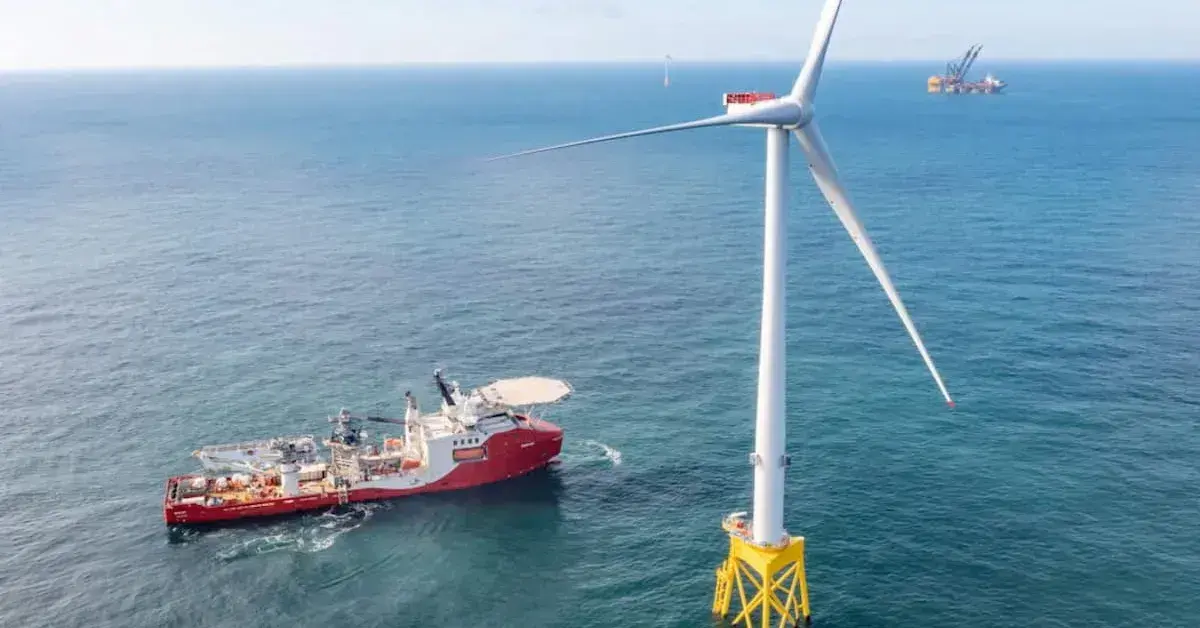
How the Secret Payment Undermined State Energy Goals
New York’s Attorney General announced Tuesday that the state is suing the U. S. Department of the Interior for a clandestine $1 billion payment to an oil firm that halted a proposed offshore wind farm off the Long Island coast. The lawsuit was filed in Manhattan federal court and cites violations of federal procurement rules and state energy statutes.
Latest news
 Swedish Voters Choose New Parliament as Left-Wing Coalition Projects to Win Majority
 Trump Announces End of US Tariff on Irish Whisky
 Frances Stonor Saunders, Author of CIA Cultural Espionage Exposé, Dies at 66
 Israel and Lebanon to Hold Security Talks in Rome This October
The suit alleges that Interior officials covertly transferred the money to the oil company to secure a promise not to pursue the wind project. The abandoned project would have delivered clean power, saved New Yorkers an estimated $10 billion in electricity costs, and generated roughly 1,700 permanent jobs. State officials say the payment directly contradicted the Interior Department’s own mandate to expand renewable energy capacity nationwide.
State officials contend that the illicit payment derailed a critical component of New York’s Climate Leadership and Community Protection Act. „The wind farm was a cornerstone of our plan to meet 100 percent clean electricity by 2030,” said a senior aide to the Attorney General. The aide added that the project’s cancellation forced the state to rely on more expensive, carbon‑intensive sources. Internal documents obtained by the lawsuit show that the oil company received the funds in exchange for a non‑compete clause that barred any offshore wind development within a 50‑mile radius. The clause, the suit argues, was never disclosed to Congress or the public, violating transparency requirements. Legal analysts note that the Department of the Interior’s own policies encourage offshore wind as a means to reduce reliance on fossil fuels, making the payment appear both illegal and counter‑productive.
What Legal Grounds Does New York Cite in the Suit?
The complaint lists several statutes that the federal government allegedly breached. First, the suit references the Federal Acquisition Regulation, which forbids undisclosed payments that influence procurement outcomes. Second, it invokes the National Environmental Policy Act, arguing that the concealed payment prevented required environmental reviews for the wind project. Finally, the state claims the Department of the Interior violated the Administrative Procedure Act by acting without proper notice or opportunity for public comment. If the court finds merit in these claims, the Department could face injunctions, monetary penalties, and a requirement to disclose all related communications.
The lawsuit could reshape the relationship between federal and state energy initiatives. A ruling against the Interior Department may compel stricter oversight of agency spending and reinforce New York’s aggressive clean‑energy agenda. Conversely, a dismissal could embolden other agencies to pursue similar covert arrangements, potentially slowing the nation’s transition to renewable power. Both outcomes will likely influence upcoming offshore wind auctions and the broader national debate on fossil‑fuel subsidies.
Frequently Asked Questions
Why did the Department of the Interior pay an oil company to stop a wind project? According to the lawsuit, Interior officials sought to protect existing fossil‑fuel interests by offering the oil firm a financial incentive to agree not to develop offshore wind in the area.
What could New York gain if the lawsuit succeeds? A favorable judgment could force the federal government to reimburse the state, restore the wind project’s permits, and set a legal precedent that deters future secret payments.
How might this case affect future offshore wind developments? If the court rules that the payment violated federal law, it could tighten disclosure requirements and make it harder for agencies to favor fossil‑fuel companies over renewable projects.