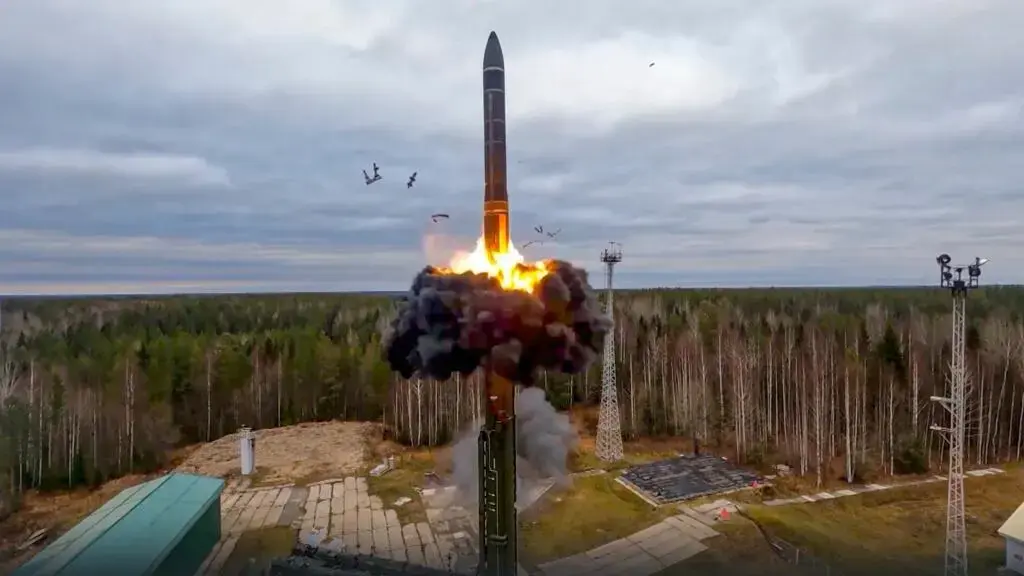
Rising Tensions and Nuclear Readiness
The world's nuclear-armed states are moving warheads from storage to operational delivery systems, raising conflict risks, researchers warned on Monday. This shift is happening despite a decline in overall stockpiles. Nine countries possess nuclear weapons. The trend is driven by geopolitical rivalry.
Latest news
 Swedish Voters Choose New Parliament as Left-Wing Coalition Projects to Win Majority
 Trump Announces End of US Tariff on Irish Whisky
 Frances Stonor Saunders, Author of CIA Cultural Espionage Exposé, Dies at 66
 Israel and Lebanon to Hold Security Talks in Rome This October
The move indicates a heightened state of readiness, increasing the likelihood of nuclear conflict. Stockholm International Peace Research Institute (SIPRI) researchers analyzed data from these countries. They found that the number of warheads on high operational alert has risen.
Geopolitical tensions are driving the increase in deployed warheads. The new arms build-up is a significant factor in this trend. Russia and the US possess over 90% of the world's nuclear weapons. Both countries have increased their nuclear readiness.
Can Nuclear Deterrence Prevent Conflict?
The number of operational warheads is rising due to the deployment of new nuclear-capable systems. This includes ballistic missile submarines and land-based intercontinental ballistic missiles. The increased readiness is a concern for global security.
The increased deployment of warheads raises questions about the effectiveness of nuclear deterrence. As more warheads are placed on high alert, the risk of accidental or unintended use grows. This challenges the traditional view that nuclear deterrence prevents conflict.
The consequences of a nuclear conflict would be catastrophic. The international community must address the rising tensions and nuclear readiness. Diplomacy and arms control agreements are crucial to reducing the risk of nuclear conflict.
Frequently Asked Questions
What is driving the increase in deployed warheads? The increase is driven by geopolitical rivalry and a new arms build-up. Russia and the US are leading this trend.
How many countries possess nuclear weapons? Nine countries possess nuclear weapons, with Russia and the US holding over 90% of the global stockpile.
What are the risks associated with increased nuclear readiness? The increased readiness raises the risk of accidental or unintended nuclear use, challenging the effectiveness of nuclear deterrence.