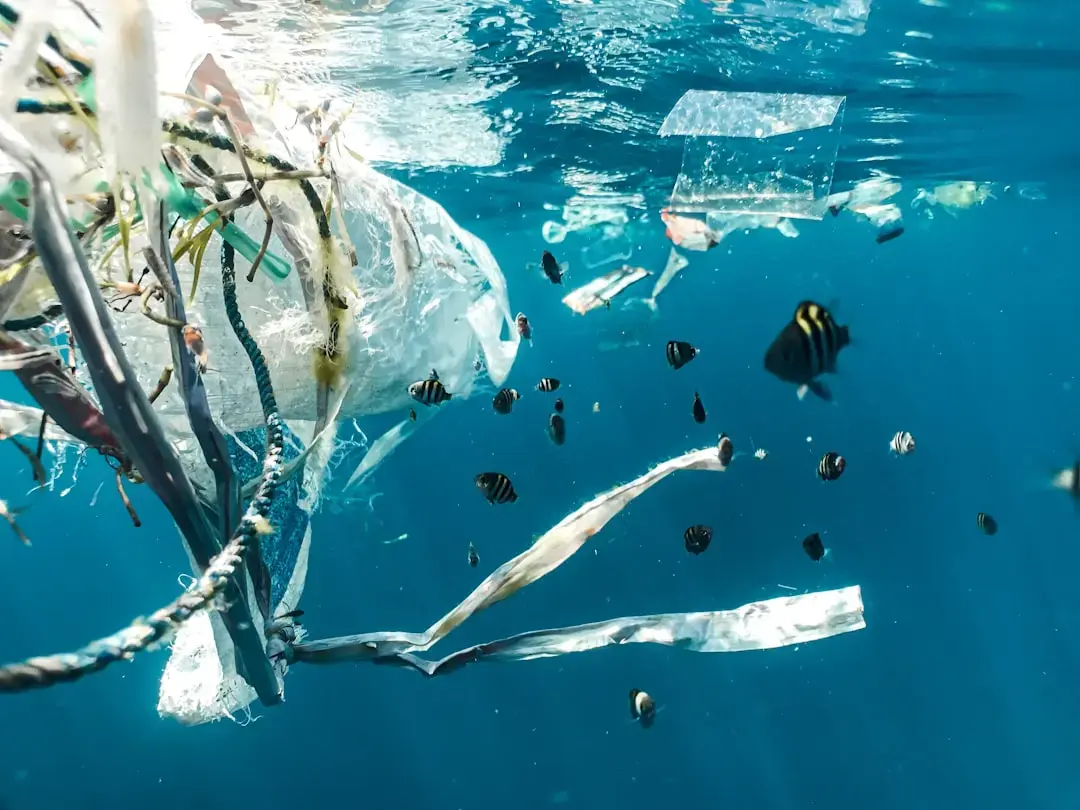
A Direct Path to Clean Energy
Scientists have developed a groundbreaking method to convert mixed plastic waste directly into hydrogen fuel. This innovative process eliminates the need for sorting plastics, a major hurdle in recycling efforts. The new technique offers a dual solution to pressing environmental challenges: plastic pollution and the demand for clean energy.
Latest news
 Swedish Voters Choose New Parliament as Left-Wing Coalition Projects to Win Majority
 Trump Announces End of US Tariff on Irish Whisky
 Frances Stonor Saunders, Author of CIA Cultural Espionage Exposé, Dies at 66
 Israel and Lebanon to Hold Security Talks in Rome This October
This scientific breakthrough tackles two urgent global issues simultaneously. Researchers have detailed a thermal treatment process that efficiently transforms various types of plastic into valuable hydrogen. The simplicity of not needing to sort the plastic waste makes this method particularly promising for large-scale application.
How Does This Process Work Without Sorting?
The core of this new technology lies in its ability to handle unsorted plastic. Traditional recycling often requires meticulous separation, which is costly and time-consuming. By bypassing this step, the process becomes significantly more efficient and economically viable. The thermal treatment breaks down the complex polymer structures of plastics, releasing hydrogen gas. This hydrogen can then be captured and used as a clean energy source, powering everything from vehicles to industrial processes.
# Is this new method scalable for industrial use?
The method employs a specific thermal conversion technique that is robust enough to process a heterogeneous mix of plastics. Instead of relying on the distinct properties of individual plastic types for separation, the process focuses on breaking down the general chemical bonds present in most polymers. This allows for a universal approach to plastic waste, regardless of its composition. The resulting hydrogen is then purified for use as fuel, offering a sustainable alternative to fossil fuels.
This development could revolutionize waste management and energy production. It provides a viable pathway to reduce landfill waste and ocean pollution while simultaneously producing a clean, renewable fuel. The implications for a circular economy are significant, turning a pervasive problem into a valuable resource.
# What are the environmental benefits of converting plastic to hydrogen?
The simplicity of not requiring plastic sorting makes this method highly scalable. It removes a major bottleneck in current recycling processes, suggesting it could be adopted for large-scale industrial applications to process significant volumes of plastic waste.
# Does this process create any harmful byproducts?
This process offers dual environmental benefits. It reduces the amount of plastic waste polluting landfills and oceans, and it produces hydrogen, a clean fuel that emits only water vapor when burned, thereby lowering greenhouse gas emissions.
The research focuses on a clean thermal conversion, aiming to minimize harmful byproducts. The primary output is hydrogen fuel, and further engineering would ensure any other outputs are safely managed or recycled within the system.