The Rise of Information Control
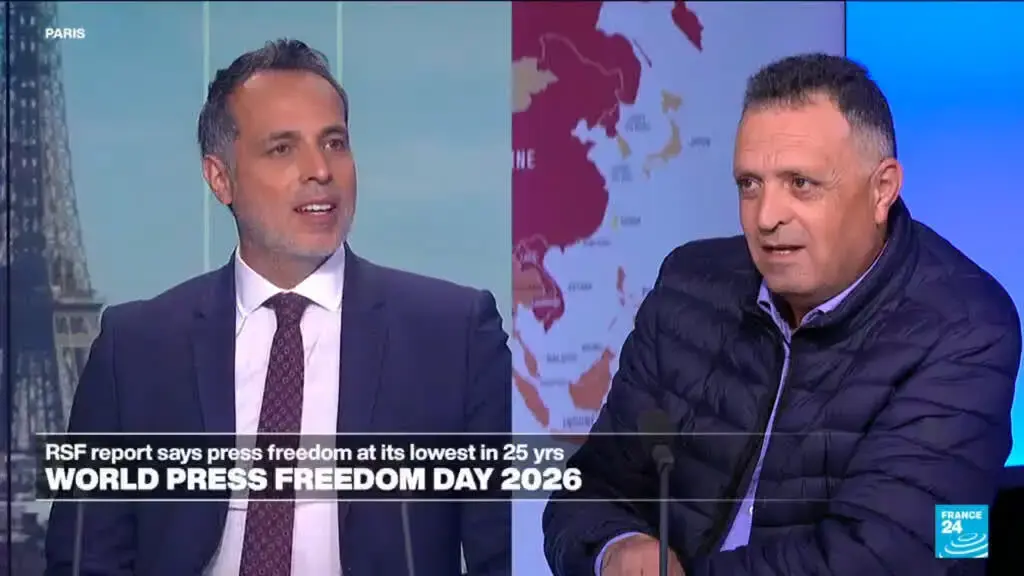
The annual observance of World Press Freedom Day is May 3rd. A new report indicates global press freedom is at its lowest point in a quarter-century. Reporters Without Borders (RSF) released findings highlighting a concerning trend. This decline impacts access to reliable information worldwide.
Latest news
 Saudi Arabia Declares Mecca Attack Attempt a Red Line as Houthis Deny Involvement
 Surrey Oil Drilling Project Sold After Supreme Court Rejection
 Union leaders urge bold action for Labour leader
 Wildfire Crisis Deepens as Federal Firefighter Shortage Plagues Summer Season
The report details a significant erosion of journalistic independence. Increased censorship, political interference, and violence against reporters contribute to the problem. Economic pressures also play a role, weakening media outlets. This creates a challenging environment for investigative journalism.
RSF’s analysis points to a deliberate effort to control information. Governments and powerful actors increasingly restrict media access. They employ tactics like legal harassment, surveillance, and physical attacks. This suppression hinders journalists’ ability to report truthfully and hold power accountable. The report specifically notes a rise in „information manipulation” campaigns.
Is Independent Reporting Becoming Impossible?
The situation is particularly dire in several regions. Countries experiencing conflict or authoritarian rule face the most severe restrictions. Journalists covering sensitive topics—like corruption or human rights abuses—are especially vulnerable. This creates a chilling effect, discouraging critical reporting. The decline isn't limited to traditional media; digital platforms are also affected.
The report raises questions about the future of independent journalism. The concentration of media ownership is a growing concern. A few large corporations control a significant portion of news outlets. This limits diversity of perspectives and can lead to biased reporting. Financial pressures also force many news organizations to cut staff and resources.
RSF emphasizes the importance of protecting journalists and promoting media pluralism. They urge governments to repeal restrictive laws and ensure journalists can work without fear of reprisal. Supporting independent media outlets and fostering media literacy are also crucial steps. The report warns that the current trajectory threatens democratic values.
The continued decline in press freedom has serious consequences. It undermines public trust in information and weakens democratic institutions. Citizens need access to accurate and unbiased news to make informed decisions. Without a free press, corruption can flourish and accountability suffers. The outlook remains grim unless concerted efforts are made to reverse this trend.
Frequently Asked Questions
What factors contribute to the decline in press freedom? Censorship, political interference, violence against journalists, and economic pressures all contribute. The rise of information manipulation campaigns is also a key factor.
How does this impact citizens? It limits access to reliable information, hindering informed decision-making. It also weakens accountability and allows corruption to thrive.
What can be done to improve the situation? Protecting journalists, promoting media pluralism, repealing restrictive laws, and supporting independent media are vital steps. Fostering media literacy is also essential.