
Legal Leverage: A New Chapter in International Justice
Caribbean leaders are formulating a comprehensive strategy to compel the United Kingdom to address historic slavery reparations. The plan, unveiled at a recent reparations conference, outlines legal pathways and diplomatic initiatives aimed at engaging the UK in meaningful negotiations. The initiative coincides with upcoming Commonwealth and United Nations summits, where Caribbean representatives seek to bring the issue to the forefront of international dialogue.
Latest news
 Australia Seeks Tech Giant Help to Bolster Online Safety and AI Rules
 Iran Sets Seven Conditions for US Talks as Saudi Forces Thwart Riyadh Attack
 Former Syrian General Arrested Over Civil War Operations
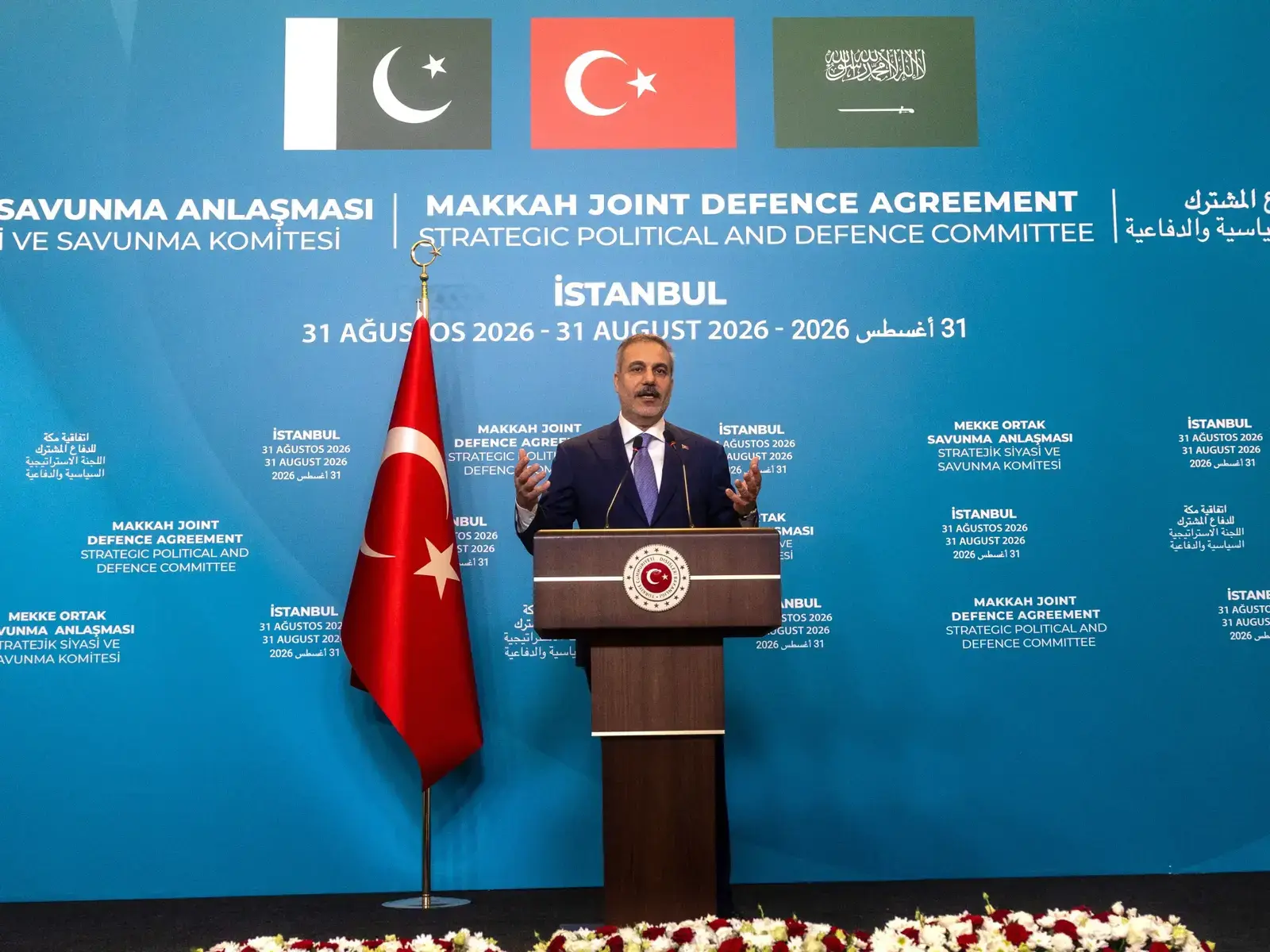 Turkiye pledges military support to Riyadh as Houthi threats rise
The strategy centers on a combination of legal claims, public advocacy, and diplomatic pressure. Caribbean states argue that the UK’s failure to acknowledge and compensate for the atrocities of the transatlantic slave trade constitutes a breach of international law and moral responsibility. By leveraging the legal frameworks of the European Court of Human Rights and the International Court of Justice, the coalition aims to establish a binding precedent that could compel reparations. Simultaneously, the plan calls for coordinated public campaigns across Commonwealth nations to raise awareness and build grassroots support for the reparations cause.
Caribbean negotiators are preparing to file claims that highlight the UK’s historical role in the slave trade and its continued economic benefits derived from that legacy. They argue that the UK’s colonial policies and the profits generated from slave labor have left a lasting economic imbalance that modern nations must rectify. By presenting evidence of systemic exploitation and its long‑term impacts, the coalition seeks to force the UK into a reparations framework that acknowledges both moral and financial obligations. The legal approach is designed to complement diplomatic efforts, ensuring that any negotiated settlement is underpinned by enforceable international law.
Will the UK Respond? A Question of Political Will
Will the United Kingdom engage with Caribbean demands for reparations? The answer hinges on political dynamics within the UK and the broader Commonwealth. While some UK officials have expressed openness to dialogue, others view reparations as a complex and potentially costly undertaking. Caribbean leaders emphasize that the UK’s refusal to negotiate has already caused diplomatic friction, and they warn that continued inaction could lead to further international scrutiny. The upcoming Commonwealth and UN summits present a critical opportunity for Caribbean states to press the UK into a constructive conversation, but the outcome remains uncertain.
The consequences of this push for reparations are far‑reaching. A successful negotiation could set a global precedent, encouraging other former colonial powers to confront their historical injustices. It could also stimulate economic development in Caribbean nations through direct financial compensation, investment in infrastructure, and targeted social programs. Conversely, a failure to reach an agreement may deepen regional divisions and fuel calls for more radical measures, including legal action through international courts.
Frequently Asked Questions
What is the main goal of the Caribbean action plan? The plan seeks to compel the United Kingdom to negotiate a reparations package for slavery, using legal claims and diplomatic pressure to secure a binding settlement.
Which international bodies are involved in the negotiations? Caribbean states aim to bring the issue to the Commonwealth and United Nations summits, while also exploring litigation avenues through the European Court of Human Rights and the International Court of Justice.
What could be the impact if the UK agrees to reparations? A UK agreement could provide significant financial resources to Caribbean nations, stimulate economic growth, and establish a legal precedent for addressing colonial-era injustices worldwide.