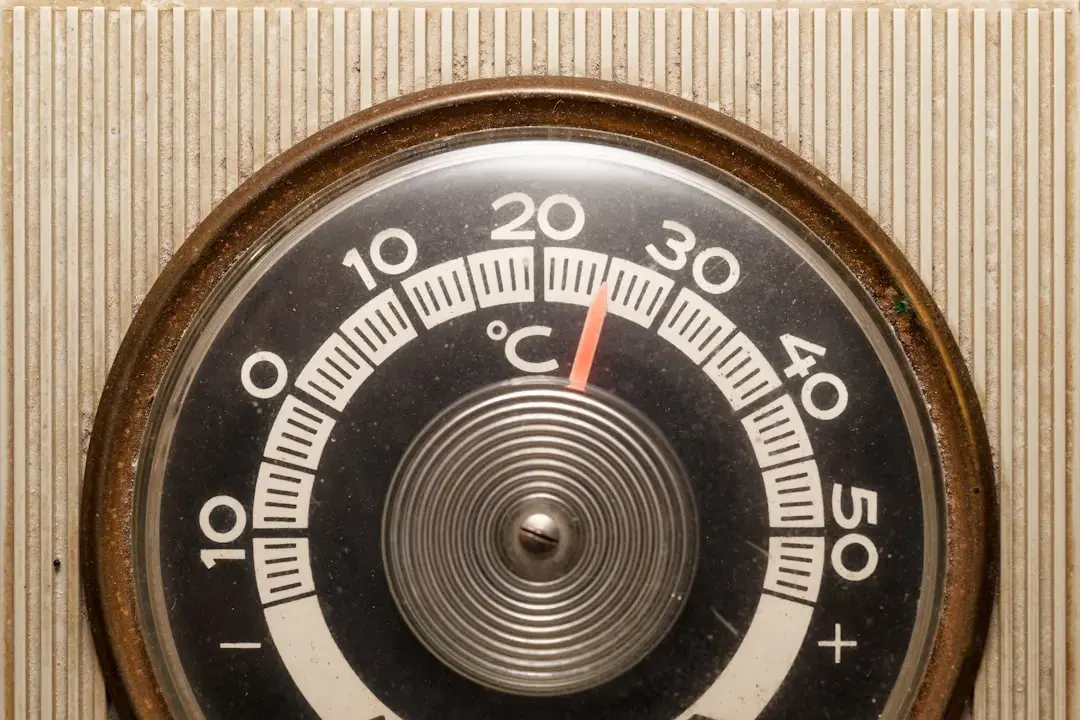
Heatwave Sparks Public Doubt
A new study released this week shows that despite overwhelming scientific agreement, more Germans are doubting climate change. The research surveyed public attitudes across the country after a record‑breaking heatwave in July 2026. It found a measurable rise in skeptical views compared with data from 2022.
Latest news
 Former CIA Analyst Speaks Out After Being Fired by the Trump Administration
 Women’s Rights Activists Rally in Paris Over Sexual Violence Legislation
 Audit Reveals Critical Flaws in Middle East Medevac Plans
 EU MEP Warns of AI Risks and Calls for Global Treaty Leadership
Scientists stress that 98 % of active climate researchers affirm that warming is real and driven by human activity. Yet the German public’s confidence appears to be slipping as extreme weather events become more frequent. Analysts point to media coverage, political rhetoric, and economic concerns as possible drivers of the shift.
The July heatwave pushed temperatures well above historical averages, prompting headlines about „unusual” weather. While experts linked the event to long‑term warming trends, some commentators framed it as a short‑term anomaly. This mixed messaging allowed skeptics to gain traction, especially in regions hardest hit by heat stress and water shortages. Surveys indicate that residents who experienced the heat directly were more likely to question the causes of climate change, despite scientific consensus.
Why Are More Germans Questioning Climate Science?
Several factors converge to explain the growing skepticism. First, political parties have used climate debates to rally their bases, often downplaying human influence. Second, economic worries about energy costs and industrial competitiveness create resistance to aggressive climate policies. Finally, the rapid pace of extreme events can overwhelm public understanding, leading some to seek alternative explanations. Researchers warn that without clear communication, the gap between scientific facts and public perception may widen further.
The rise in doubt carries significant implications for Germany’s climate agenda. Policymakers may face stronger opposition to emissions‑reduction measures, potentially slowing the transition to renewable energy. Public trust in scientific institutions could erode, making it harder to mobilize collective action. Experts call for targeted outreach that connects scientific findings with everyday experiences, hoping to rebuild confidence before political inertia takes hold.
Frequently Asked Questions
What proportion of climate scientists agree on human‑caused warming? Nearly all active researchers—about 98 %—affirm that the climate is warming and that human activities are the primary driver.
Did the recent heatwave prove climate change is real? The heatwave aligns with patterns expected from a warming climate, but some media outlets presented it as an isolated incident, fueling confusion.
How can Germany address rising skepticism? Clear, consistent communication that links scientific data to local impacts, coupled with policies that consider economic concerns, may help restore public trust.