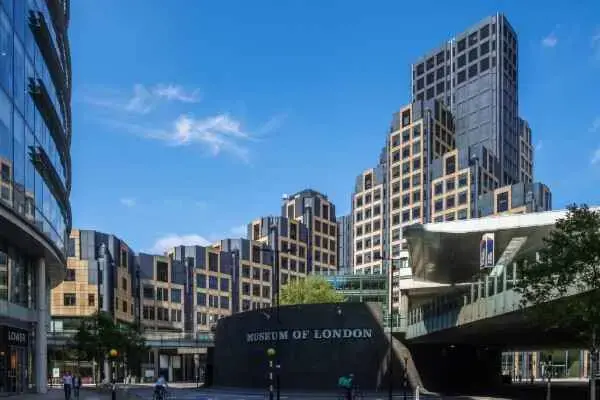
The Rise of Adaptable Office Space
Samsung has committed to a fifteen-year lease with Runway East at 200 Aldersgate in London. The deal highlights the growing demand for flexible workspaces. It reflects changing strategies from both landlords and companies seeking office solutions. The agreement was finalized on June 9, 2026.
Latest news
 Swedish Voters Choose New Parliament as Left-Wing Coalition Projects to Win Majority
 Trump Announces End of US Tariff on Irish Whisky
 Frances Stonor Saunders, Author of CIA Cultural Espionage Exposé, Dies at 66
 Israel and Lebanon to Hold Security Talks in Rome This October
This long-term commitment demonstrates Samsung’s confidence in the flexible workspace model. Runway East, a provider of these spaces, is benefiting from a shift in how companies approach office occupancy. Traditional leases are being replaced by arrangements offering greater adaptability. This allows businesses to scale up or down as needed.
The deal at 200 Aldersgate isn’t isolated. Across the UK and Ireland, demand for flexible workspaces is increasing. Landlords are responding by incorporating more of these options into their portfolios. Companies like Samsung are drawn to the benefits of reduced risk and increased agility. They avoid the long-term financial burden of conventional leases.
Will Flexible Workspaces Become the Norm?
Runway East specializes in creating collaborative and dynamic work environments. Their spaces are designed to foster innovation and employee engagement. This appeals to modern businesses prioritizing a positive workplace culture. The Aldersgate location offers a prime central London address. It provides Samsung with a convenient and attractive base for its operations.
The trend towards flexible workspaces raises questions about the future of traditional office leasing. Will companies increasingly abandon long-term commitments? Experts suggest a hybrid model is likely to emerge. This would combine flexible options with smaller, core office spaces for specific teams or functions.
The Samsung deal is a significant win for Runway East. It validates their business model and attracts further investment. It also signals a broader industry shift. Landlords are recognizing the need to offer more than just physical space. They must provide services and amenities that cater to the evolving needs of modern businesses.
The consequences of this shift are far-reaching. It could lead to a more dynamic and efficient property market. Businesses will have greater control over their real estate costs. Employees will benefit from more flexible and engaging work environments. The outlook for flexible workspaces remains positive, with continued growth expected in the coming years.
Frequently Asked Questions
What does this lease mean for Samsung? This lease provides Samsung with a flexible and scalable workspace solution in a central London location. It allows them to adapt to changing business needs without the constraints of a traditional long-term lease.
How is this impacting landlords? Landlords are increasingly incorporating flexible workspace options into their portfolios to meet growing demand. This requires a shift in strategy, focusing on providing services and amenities alongside physical space.
Is this trend limited to London? No, the demand for flexible workspaces is growing across the UK and Ireland. Businesses throughout the region are recognizing the benefits of agility and reduced risk.