He went on to publish extensively on topics ranging from modernity to identity
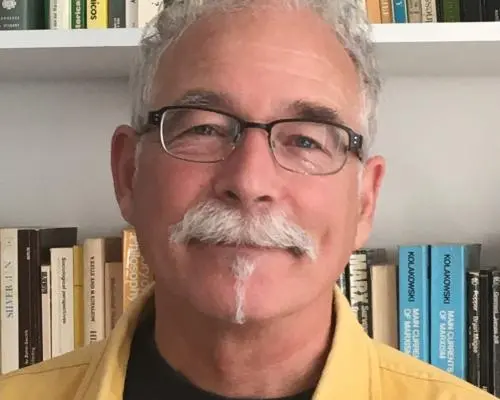
Gregor McLennan, a respected sociologist and cultural theorist, died at the age of 73 in a climbing accident. He had served as a professor of sociology at the University of Bristol from 1997 until his retirement, later holding emeritus status. McLennan was widely known for his contributions to cultural studies and his long academic career spanning several decades. His passing has been met with deep sorrow by colleagues and former students across the UK academic community. McLennan first met the author of this tribute in 1975 while both were postgraduate students at the Birmingham Centre for Contemporary Cultural Studies. The centre, under the influential leadership of Stuart Hall, was a hub for radical intellectual inquiry during that era. McLennan’s early work reflected the centre’s focus on combining sociology with cultural analysis, a blend that would define his scholarly approach.
Latest news
 Housing Crisis Threatens Spanish Government Stability
 Spaniards Demand Urgent Action Amid Mounting Housing Crisis
 Andy Burnham Wins Praise From Labour Voters Following Emotional Address
 One Nation launches Victorian election campaign with controversial policy pledges
He went on to publish extensively on topics ranging from modernity to identity and social theory. A Scholar Shaped by Birmingham’s Intellectual Ferment His time at the CCCS placed McLennan at the forefront of postwar British cultural studies, where he engaged with thinkers who challenged traditional sociological methods. He valued the centre’s commitment to linking theory with everyday life and political struggle. This formative experience influenced his later teaching at Bristol, where he encouraged students to question dominant narratives. Colleagues recall his seminars as rigorous yet open-minded, often drawing on literature, philosophy, and current events. His work remained grounded in a belief that sociology must interpret culture not as a static artifact but as a living, contested field. How Did His Climbing Passion Influence His Life? Beyond academia, McLennan was an avid mountaineer, a pursuit that brought him both joy and solace throughout his life.
Friends describe climbing as more than a hobby—it was a way of thinking
Friends describe climbing as more than a hobby—it was a way of thinking, requiring focus, patience, and respect for nature’s power. The accident that took his life occurred during a routine climb, underscoring the inherent risks even experienced climbers face. His love for the mountains was often mirrored in his writing, where he explored themes of ascent, limits, and human endurance. Those who knew him say he carried the same curiosity and care into both his climbs and his classrooms. What Legacy Does He Leave in Cultural Studies? McLennan’s legacy lies in his ability to bridge abstract theory with real-world concerns, influencing generations of students and researchers. His emphasis on critical thinking and interdisciplinary dialogue helped shape modern cultural studies in Britain. At Bristol, he helped build a sociology department known for its intellectual vitality and openness to diverse perspectives.
Though he is no longer with us, his writings continue to be cited in discussions about identity, power, and social change. The academic world has lost a thoughtful voice, but his ideas remain active in ongoing debates. Frequently Asked Questions What was Gregor McLennan’s main area of academic focus? He focused on sociology and cultural theory, particularly the interplay between modernity, identity, and social structures, drawing from both theoretical and empirical approaches. How long did he teach at the University of Bristol? He joined the University of Bristol in 1997 as a professor of sociology and remained there until retirement, after which he was granted emeritus status. What role did the Birmingham Centre for Contemporary Cultural Studies play in his career? It was where he began his postgraduate studies in 1975, exposing him to influential thinkers like Stuart Hall and shaping his lifelong commitment to critical cultural analysis.