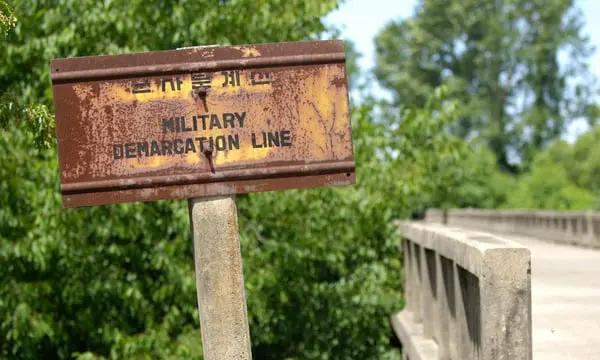
North Korea’s Response to the DMZ Incident
On September 21, two mines detonated within the Demilitarized Zone that separates North and South Korea, injuring three South Korean soldiers, two of whom sustained serious wounds. The blast occurred near the eastern sector of the DMZ, close to the Mili area. South Korean forces evacuated the site and began an investigation into the origin of the devices.
Latest news
 Spain's Socialist Fault Lines Test Pedro Sanchez
 Far-Right AfD Seeks Control of Saxony-Anhalt State Parliament
 Fuel Prices Surge in Italy as Tax Cuts Expire, Hauliers Threaten Action
 Ray Dalio Warns of US Debt Crisis Within 3 Years
Korean officials announced that the mines were planted by North Korea and buried south of the Mili checkpoint. The South Korean military concluded the explosions were caused by a device hidden by the North, a claim that North Korea denied. Pyongyang rejected any involvement and refused to engage in border talks, citing the incident as a provocation. The South Korean army has increased patrols and installed additional surveillance equipment along the affected stretch of the DMZ.
What Are the Implications for Regional Security?
North Korea’s Ministry of Foreign Affairs issued a statement rejecting responsibility for the mine deployment. The regime claimed the devices were „foreign contrivances” and demanded that South Korea cease its „unilateral actions” in the area. No diplomatic contact has been opened since the incident, and the North remains steadfast in its refusal to negotiate. Analysts suggest that the North’s stance is aimed at maintaining leverage over the South and avoiding concessions that could weaken its strategic position.
South Korean officials have called for a joint investigation with United Nations forces stationed in the DMZ. They stress that any attempt to resolve the incident must involve impartial witnesses. The South Korean Defense Ministry has also urged the United Nations Command to enhance its monitoring capabilities to prevent future attacks. The North’s refusal to cooperate has heightened tensions and raised concerns about potential escalation along the heavily fortified border.
The mine explosions have underscored the fragility of the DMZ’s security environment. The South Korean military’s decision to increase patrols and surveillance indicates a shift toward a more proactive posture. Meanwhile, North Korea’s hardline stance could lead to further incidents if the South perceives any provocation. The United Nations Command has expressed willingness to mediate, but the lack of North Korean engagement limits the effectiveness of any diplomatic solution.
Frequently Asked Questions
The incident also affects civilian populations near the border. Residents in the Mili area have reported increased security measures, including checkpoints and road closures. The South Korean government has promised to provide medical care for the injured soldiers and to maintain transparency about the investigation’s progress. The broader implication is a potential rise in military readiness on both sides, which could strain resources and heighten the risk of miscalculation.
Q: Could this incident lead to a broader conflict? A: While tensions have risen, both sides have not yet escalated to open warfare. However, the lack of diplomatic engagement raises the risk of miscalculation and potential conflict escalation.