Community Leaders Mobilize Resources and Legal Aid
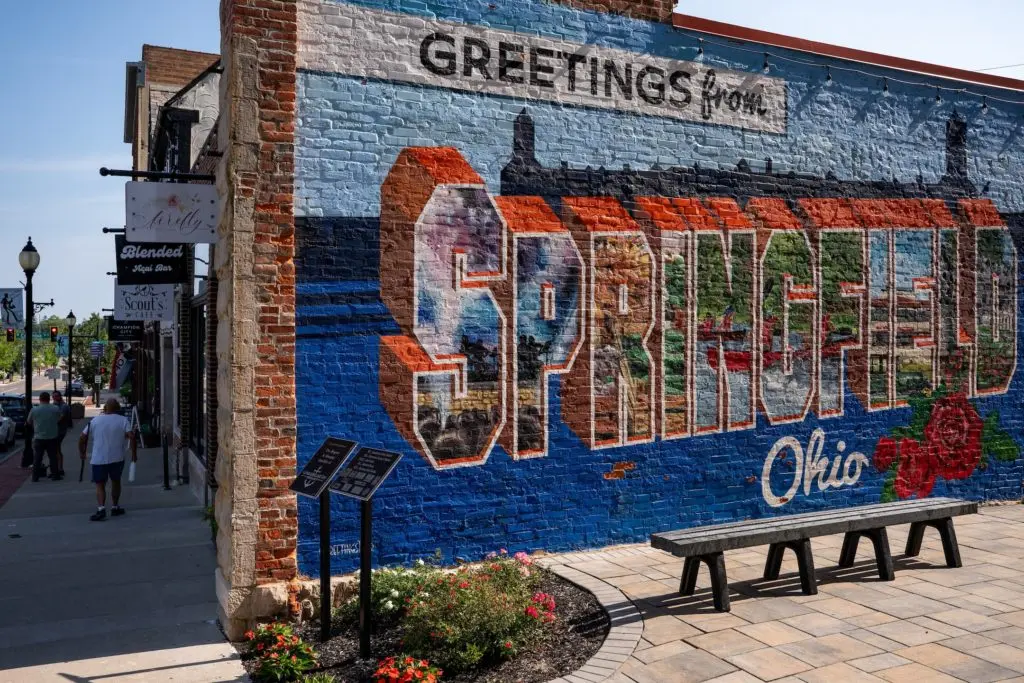
Springfield, Ohio - As the Trump administration moves to end Temporary Protected Status for Haitian immigrants, the city's estimated 20,000-strong Haitian community is preparing for potential mass deportations. The change, set to take effect in September 2026, follows a Supreme Court decision in June that cleared the way for terminating the humanitarian program that has allowed nearly 300,000 Haitians to live and work legally in the United States since 2010.
Latest news
 Swedish Voters Choose New Parliament as Left-Wing Coalition Projects to Win Majority
 Trump Announces End of US Tariff on Irish Whisky
 Frances Stonor Saunders, Author of CIA Cultural Espionage Exposé, Dies at 66
 Israel and Lebanon to Hold Security Talks in Rome This October
The Haitian community in Springfield has become one of the largest in the nation, transforming the city's demographics and economy over the past decade. Many arrived after Haiti's devastating earthquake in 2010 and were granted temporary protection status, allowing them to build lives, start businesses, and integrate into local society. With the program's termination, these residents now face an uncertain future, including the possibility of being returned to a country still recovering from natural disasters and political instability.
Local organizations are scrambling to provide support and legal assistance to affected families. The Springfield Hispanic Center and other advocacy groups have been hosting information sessions to help residents understand their options. Some community members are exploring pathways to permanent residency or citizenship, while others are making preparations to return to Haiti voluntarily. City officials have expressed concern about the economic impact, as Haitian-owned businesses contribute significantly to the local tax base.
What Legal Options Remain for TPS Holders?
Despite the Supreme Court's ruling, some legal avenues may still be available. Immigration attorneys are advising clients to explore family-based petitions, asylum claims, and other forms of relief from deportation. However, many Haitian immigrants in Springfield have lived in the U. S. for over a decade without securing alternative legal status, making their situations particularly complex. The Department of Homeland Security has indicated that deportation proceedings will begin after the September deadline.
The ripple effects extend beyond individual families. Local schools, healthcare facilities, and employers are bracing for disruption as thousands of residents face potential removal. Community leaders warn that the sudden departure of such a large portion of the population could strain social services and destabilize neighborhoods that have grown around Haitian cultural and economic networks.
Frequently Asked Questions
Can TPS recipients apply for permanent residency? Most TPS holders cannot directly adjust to permanent resident status through their temporary protection designation alone. However, those who qualify through family sponsorship, employment-based petitions, or other eligible categories may pursue lawful permanent resident status through separate channels.
What happens if someone is deported to Haiti? Deportees would return to Haiti, where they may face challenges accessing basic services, employment, and housing. Many have spent years or decades in the U. S. and may have limited connections or resources remaining in Haiti, complicating reintegration efforts.
Are there any appeals or extensions available? Following the Supreme Court decision, legal challenges to the termination of Haitian TPS have been largely exhausted. Some individual cases may qualify for stays or other forms of relief, but broad program extensions appear unlikely under current federal policy.