Closing the Office Signals a Diplomatic Setback
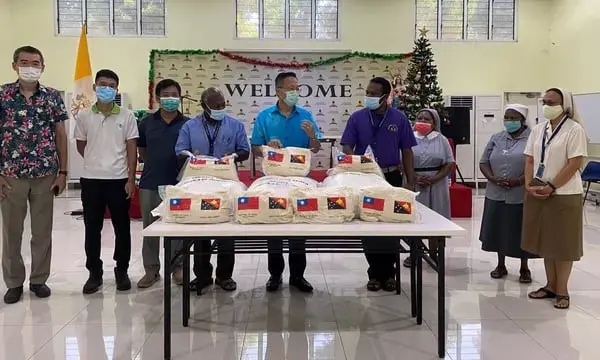
The Taiwanese Economic and Cultural Office in Papua New Guinea closed its doors on July 17, 2026. The closure follows a recent hand‑over of 500 kg of rice to the Catholic Archdiocese of Port Moresby, marking the final act of the office’s activities. The decision was announced by Papua New Guinea’s foreign ministry in Port Moresby.
Latest news
 Swedish Voters Choose New Parliament as Left-Wing Coalition Projects to Win Majority
 Trump Announces End of US Tariff on Irish Whisky
 Frances Stonor Saunders, Author of CIA Cultural Espionage Exposé, Dies at 66
 Israel and Lebanon to Hold Security Talks in Rome This October
The shutdown reflects a broader contraction of Taiwan’s diplomatic footprint along a key Pacific energy corridor. Analysts say the route, which carries oil and gas shipments from Southeast Asia to Pacific islands, is increasingly contested by rival powers. Taiwan’s limited resources and mounting pressure from Beijing have made maintaining overseas offices costly. The rice donation, intended as a goodwill gesture, underscores the office’s attempt to sustain local ties before its exit.
Local officials described the office’s departure as a loss for bilateral cooperation. „We appreciated Taiwan’s support, especially the rice aid that helped families during the lean season,” said a spokesperson for the Catholic Archdiocese. The 500 kg of rice was distributed to vulnerable households across the capital region. Meanwhile, Taiwan’s foreign ministry expressed regret, noting that the closure „does not diminish our commitment to the people of Papua New Guinea.” Experts argue that the move may embolden other Pacific nations to reconsider their diplomatic alignments, given the strategic importance of the energy route.
What Does This Mean for Taiwan’s Influence in the Pacific?
Taiwan’s shrinking presence could reshape regional dynamics. With fewer official channels, Taipei may rely more on informal networks, cultural exchanges, and humanitarian aid to maintain relevance. The loss of an on‑the‑ground office limits Taiwan’s ability to lobby for support in multilateral forums and to monitor developments along the energy corridor. Observers warn that the vacuum may be filled by competing actors seeking to secure access to the same maritime pathways. Taiwan’s future strategy may pivot toward digital diplomacy and partnerships with non‑governmental organizations.
The closure underscores a challenging era for Taiwan’s foreign policy. While the rice donation offered a brief moment of connection, the long‑term impact hinges on how Taipei adapts to a shrinking diplomatic map. Regional observers anticipate further shifts as Pacific nations weigh economic benefits against political affiliations.
Frequently Asked Questions
Why did Papua New Guinea close Taiwan’s office? The government cited budgetary constraints and a reassessment of diplomatic priorities, aligning with broader trends of reduced Taiwanese representation in the region.
How significant is the Pacific energy route? It is a major conduit for oil and gas shipments linking Southeast Asian producers with island economies, making it a strategic asset for any nation seeking influence in the Pacific.
Can Taiwan maintain influence without formal offices? Taiwan aims to leverage cultural programs, aid projects, and digital outreach to stay engaged, though the lack of official representation limits its diplomatic leverage.