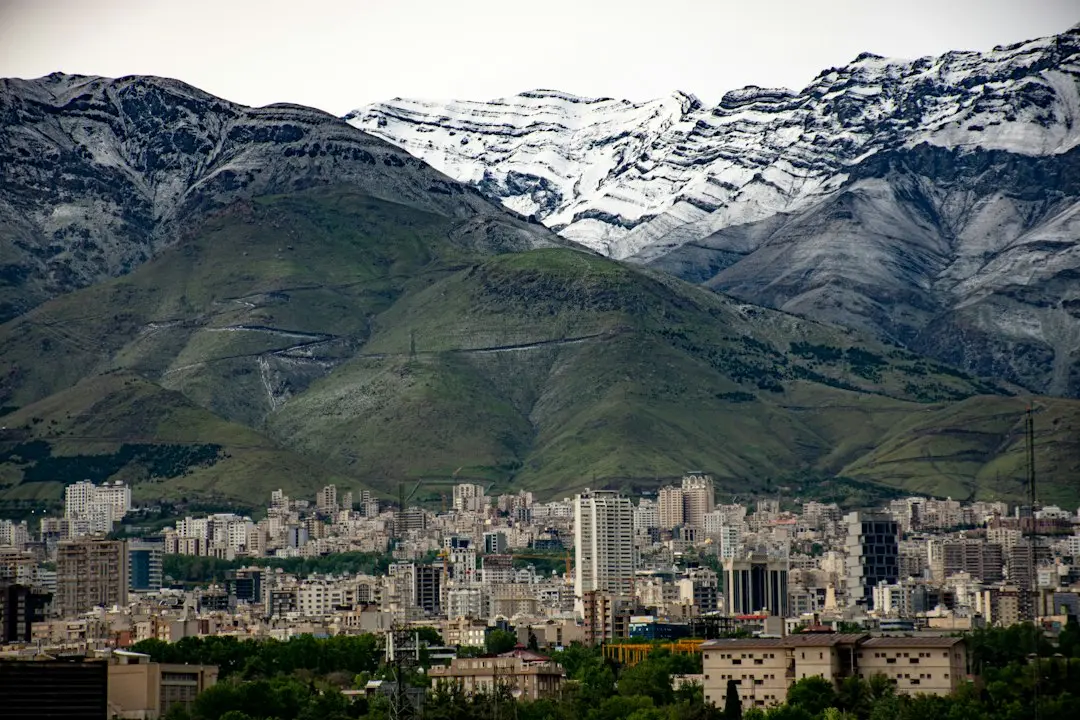
A Diplomatic Standoff in Manhattan
Global leaders have gathered in New York City this week for the United Nations General Assembly. Amid the high-stakes diplomatic summit, the United States and Iran have exchanged sharp threats. Security remains exceptionally tight around the UN headquarters as delegations arrive to address pressing international conflicts and shifting geopolitical alliances.
Latest news
 Global Diplomacy Prepares for the 2026 UN Leadership Transition
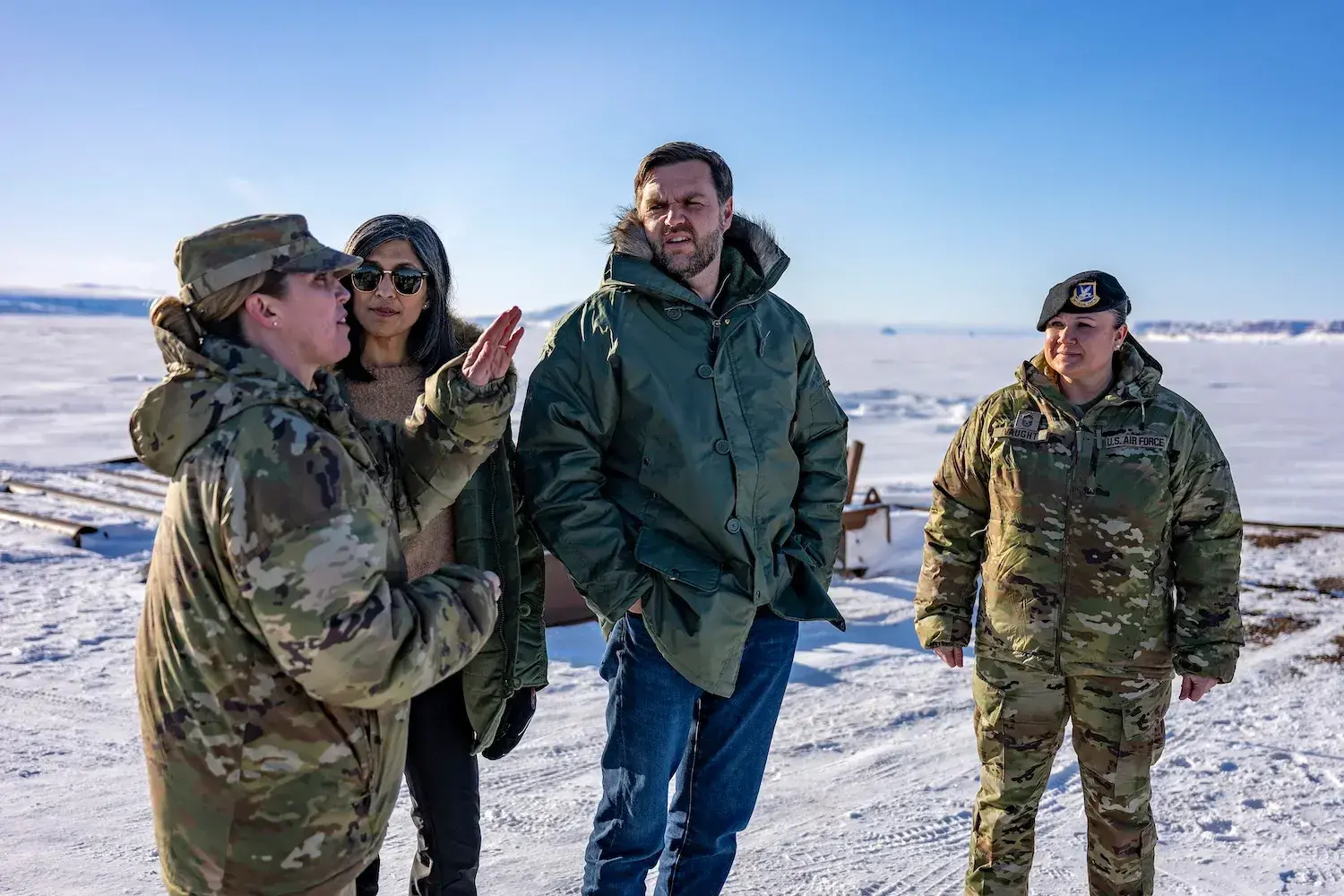 Donald Trump Proposes Long-Term Security Oversight for Greenland
 Stock Market Futures Hold Steady Following Strong Monday Rally
 A Decade of Transformation Across the Middle East
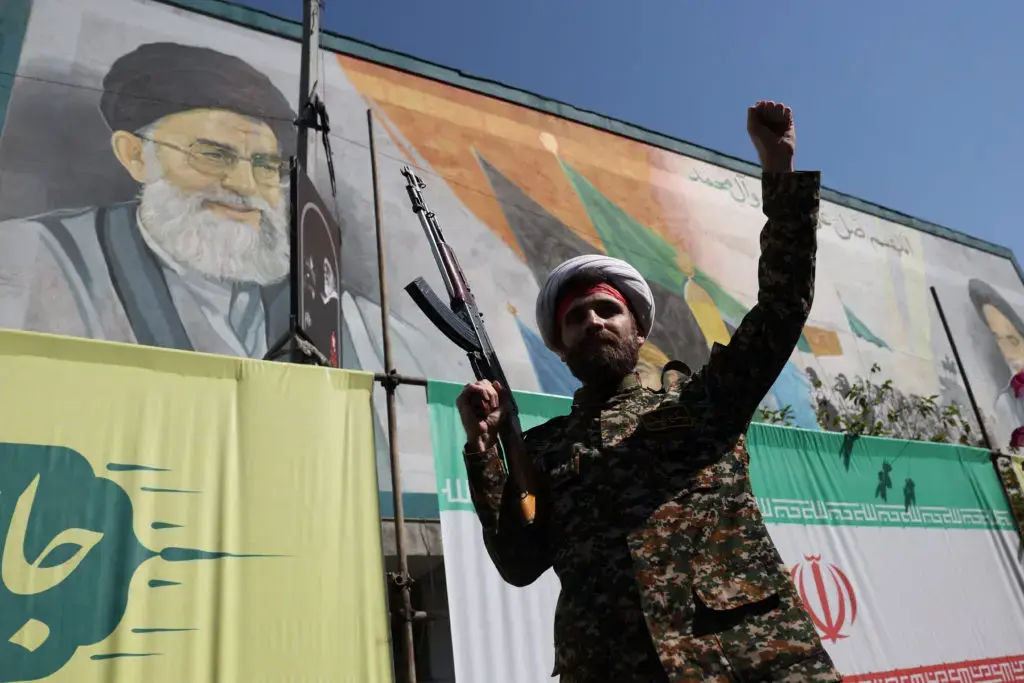
The atmosphere in Manhattan is charged with diplomatic friction. Both nations are positioning themselves for what analysts describe as a critical turning point in their bilateral relations. The rhetoric surrounding this year’s assembly suggests that direct dialogue remains unlikely, despite the proximity of the two opposing delegations during the week-long event.
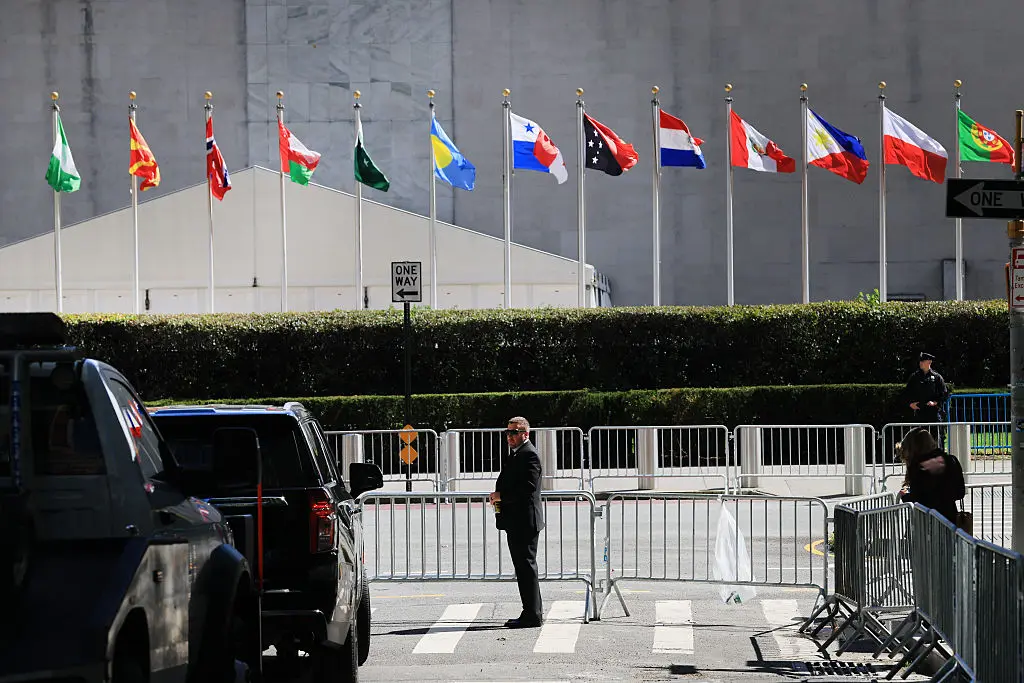
Law enforcement officials have implemented extensive security measures to manage the influx of world leaders. The streets surrounding the United Nations complex are heavily guarded as the session officially commences. This backdrop of heightened security reflects the broader instability currently defining the relationship between Washington and Tehran.
Will International Mediation Ease the Hostility?
Experts monitoring the situation suggest that the timing of these threats is significant. With the world’s attention focused on the UN, both sides are utilizing the global stage to reiterate their firm stances. The verbal sparring serves as a reminder of the deep-seated grievances that continue to prevent meaningful progress toward de-escalation.
The international community is watching closely to see if any third-party nations can bridge the gap. Historically, the General Assembly has served as a venue for back-channel negotiations. However, the current intensity of the rhetoric indicates that both parties are prioritizing public posturing over private compromise.
Frequently Asked Questions
The outcome of this week’s meetings will likely dictate the trajectory of U. S.-Iran relations for the coming months. If the current trend of intimidation continues, the possibility of a diplomatic breakthrough remains slim. Observers expect the standoff to dominate discussions in the corridors of the UN throughout the assembly.
What is the primary cause of the current tension? The friction stems from long-standing geopolitical disagreements and a lack of direct diplomatic communication between the two nations. Both sides continue to issue warnings to assert their regional and global interests.
Why is the UN General Assembly significant for these nations? The assembly acts as the world’s largest diplomatic gathering, providing a platform for leaders to address global issues. It brings opposing delegations into the same city, creating a tense environment for potential negotiation or further confrontation.