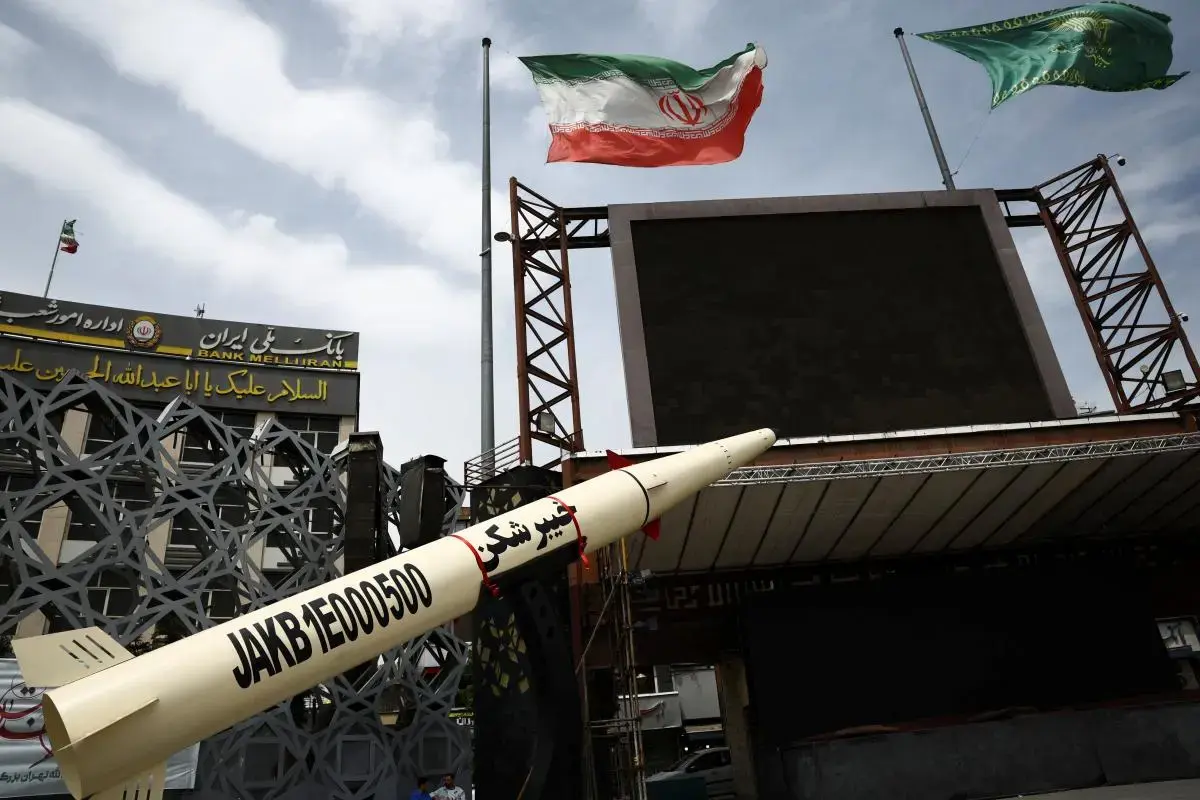
Beyond Nuclear Concerns
Washington faces a critical decision regarding Iran. Experts argue a lasting peace requires difficult compromises from the United States. This assessment comes amid ongoing regional tensions and Iran’s continued development of ballistic missiles, as of April 2026. Reaching a stable agreement won’t be easy.
Latest news
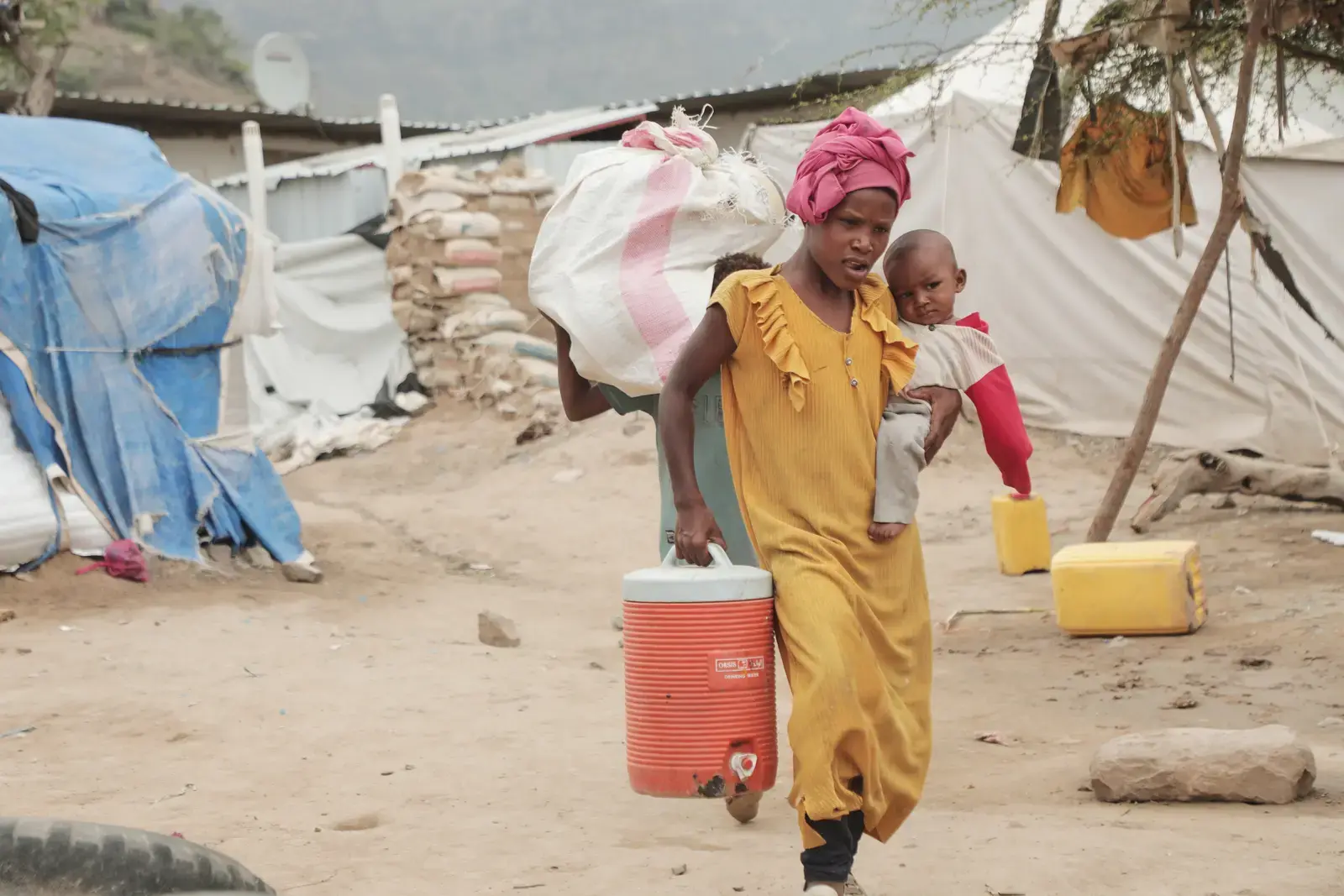 Saudi Arabia Declares Mecca Attack Attempt a Red Line as Houthis Deny Involvement
 Surrey Oil Drilling Project Sold After Supreme Court Rejection
 Union leaders urge bold action for Labour leader
 Wildfire Crisis Deepens as Federal Firefighter Shortage Plagues Summer Season
Negotiations with Iran have stalled for years, fueled by distrust on both sides. The U. S. demands stricter limitations on Iran’s nuclear program and a halt to its support for regional proxies. Iran insists on economic relief from sanctions and security guarantees. Simply maintaining the status quo isn’t a viable option, experts warn. It risks escalation and further instability.
The core issue isn’t solely Iran’s nuclear ambitions. It’s a broader web of regional conflicts and security concerns. Iran’s missile program, for example, remains a significant point of contention. Restricting this program is vital for regional stability, according to analysts. However, Iran views it as a legitimate defense capability. Ignoring this perspective hinders progress.
Can Trust Be Rebuilt?
Compromise demands acknowledging Iran’s legitimate security interests. This includes addressing the perceived imbalance of power in the region. The U. S. must move beyond simply demanding concessions from Iran. It needs to offer reciprocal steps that build trust. This could involve de-escalation of military presence or renewed diplomatic engagement with regional actors.
A major obstacle is the deep-seated lack of trust. Years of sanctions and hostile rhetoric have eroded any goodwill. Both sides need to demonstrate a genuine commitment to dialogue. This requires a willingness to address past grievances and acknowledge shared interests. Without this, any agreement will be fragile and short-lived.
Some argue that any deal with Iran is inherently risky. They fear Iran will exploit any concessions to further its regional agenda. However, the alternative – continued confrontation – is far more dangerous. A carefully crafted agreement, with robust verification mechanisms, can mitigate these risks. It’s a calculated gamble, but one worth taking to avoid a wider conflict.
Failure to achieve a diplomatic solution will have severe consequences. Regional instability will likely worsen, potentially leading to proxy wars and increased violence. The risk of nuclear proliferation will also grow. A renewed commitment to diplomacy is essential. It offers the best path toward a more secure and stable Middle East.
Frequently Asked Questions
What specific concessions might the U. S. need to make? The U. S. could offer limited sanctions relief tied to specific Iranian actions. This might include unfreezing some assets or easing restrictions on trade. Additionally, providing security assurances, short of a formal defense treaty, could address Iranian concerns.
Is Iran truly willing to negotiate in good faith? While skepticism is understandable, there are indications Iran recognizes the need for de-escalation. Its continued participation in indirect talks suggests a willingness to engage. However, meaningful progress requires a shift in approach from all parties.
What role do regional powers play in this process? Regional powers, like Saudi Arabia and Israel, have strong opinions about Iran. Their concerns must be addressed to ensure any agreement is sustainable. Including them in the diplomatic process, even indirectly, is crucial.