
Rising Naval Power in the Persian Gulf
In late September 2026, the Strait of Hormuz, a narrow waterway near Bandar Abbas, Iran, became the focal point of a renewed scramble for maritime dominance. The region, critical for global oil transport, has attracted the attention of major powers seeking to secure strategic advantages in a world where sea routes are increasingly contested.
Latest news
 G20 Trade Ministers Gather in Wisconsin Amid Tariff Tension
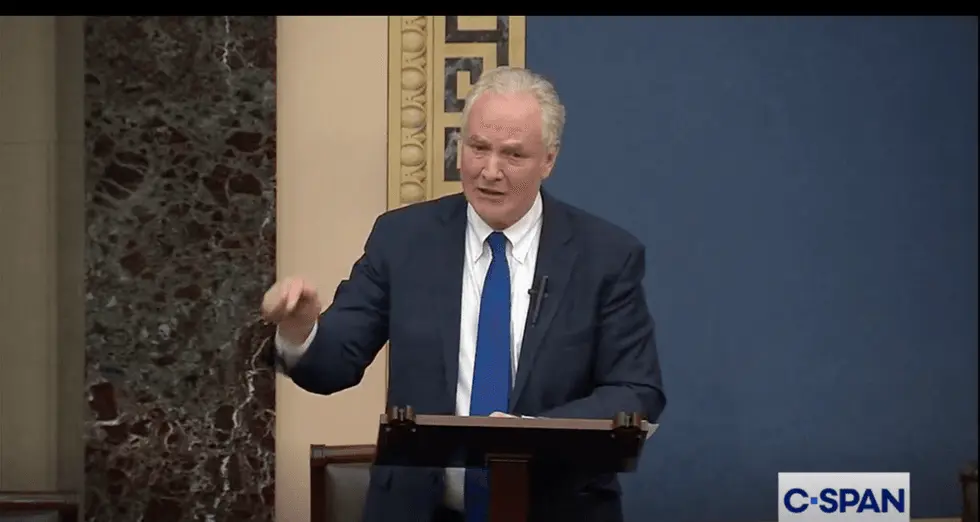 Senate Democrats Unite to Push for West Bank Violence Report
 Sandino's Rebellion Against U.S. Occupation Begins in Nicaragua
 Diesel Surpasses Gasoline as Europe's Most Expensive Fuel
The competition for control of the world's oceans has intensified over the past fifty years. Nations have vied for influence through naval expansion, economic partnerships, and technological innovation. The current surge is driven by rising energy demands, shifting alliances, and advances in autonomous shipping and cyber warfare. Experts argue that securing sea lanes is now as vital as securing air corridors for national security and economic stability.
How Technology Is Redefining Maritime Dominance
The Persian Gulf has long been a hotspot for geopolitical tension. In 2026, Iran’s naval presence has grown, with new patrol vessels and missile systems deployed along its coast. At the same time, the United States and its allies have increased their rotational deployments, conducting joint exercises with regional partners. Analysts note that the U. S. Navy’s „carrier strike groups” are now routinely patrolling the Gulf, while Iran’s „coastal defense” units have upgraded to stealth capabilities. The balance of power in the region is shifting, with both sides investing heavily in surveillance drones and cyber defense systems to protect maritime assets.
The economic stakes are immense. Roughly 20% of the world’s oil passes through the Strait of Hormuz each day. Any disruption could trigger global price spikes and destabilize markets. Consequently, nations are investing in alternative routes, such as the Northern Sea Route, and developing contingency plans for rerouting shipments. The competition also extends to securing exclusive economic zones, where countries claim rights to fish, minerals, and undersea pipelines.
What Happens If the Straits Close?
The modern naval arms race is being reshaped by emerging technologies. Autonomous surface vessels, capable of long‑range patrols without crew, are being tested by several navies. Cyber warfare capabilities allow states to disrupt navigation systems and communication networks, turning a physical choke point into a digital battleground. Satellite imagery and AI analytics provide real‑time intelligence on vessel movements, enabling rapid decision‑making.
These innovations raise new legal and ethical questions. International law, particularly the United Nations Convention on the Law of the Sea, sets limits on territorial claims and freedom of navigation. However, the rapid pace of technological change challenges existing frameworks. Some scholars argue that a new treaty is needed to regulate autonomous vessels and cyber operations in international waters.
Frequently Asked Questions
If tensions flare and the Strait of Hormuz is effectively closed, the global economy would face severe shocks. Shipping companies would need to reroute cargo through longer paths, increasing fuel costs and transit times. Energy markets would experience volatility, potentially leading to shortages in regions dependent on oil imports. Governments would likely intervene, deploying naval assets to secure alternative routes and negotiate diplomatic solutions.
The long‑term outlook depends on how nations manage the balance between competition and cooperation. While some states pursue aggressive posturing, others emphasize multilateral agreements to ensure safe passage. The next decade will test whether international law can adapt to the new technological landscape and prevent a maritime conflict that could ripple across global markets.